1. Home
  2. Food & Drink
  3. News

The taste of the summer is the tropical Painkiller cocktail

Combine navy rum with orange and pineapple juices and cream of coconut for the taste of summer

Painkiller
YesMore Content/Unsplash

The world of Tiki cocktails can be something of a mystery, even for seasoned home bar enthusiasts. Many classic Tiki drinks require multiple different types of rum or special ingredients like orgeat syrup, which can be a hurdle for making them at home.

However, there is a classic Tiki cocktail which is an accessible way into the style, and which is one of this year’s trendiest drinks. It’s the Painkiller, a rum, pineapple, and orange juice cocktail which is easy to make with ingredients you can find in the supermarket, and which captures the lush, tropical flavors of this style of drink.

Recommended Videos

The Painkiller is the signature drink of Pusser’s Rum, a navy-style rum from the British Virgin Islands. If you can find Pusser’s, go ahead and use it, but any navy-style rum will work in its place. You’re looking for a dark brown rum with spicy flavors but not too much sweetness to balance out the fruity ingredients in the cocktail.

As always, you’ll get the best results if you use ingredients which are as fresh as possible. If you can get freshly squeezed orange juice or even fresh pineapple juice, so much the better. If not, find the best quality juices you can get hold of.

How to make a Painkiller

Ingredients:

  • 2 oz rum
  • 4 oz pineapple juice
  • 1 oz orange juice
  • 1 oz cream of coconut
  • Nutmeg, freshly grated
  • Pineapple wedge for garnish

Method:

Add the rum, fruit juices, and cream of coconut to a shaker tin with plenty of ice and shake well. Strain into a tumbler filled with more ice. Grate fresh nutmeg over the top and garnish with a pineapple wedge.

Georgina has been the space writer at Digital Trends space writer for six years, covering human space exploration, planetary… Read Full Bio
The best seasonal cocktails to sip this autumn
Hot toddy

Now that we are well into October and “spooky season,” autumn is officially in full swing. Leaves gently fall from trees in vibrant reds, yellows, and browns; days get shorter, and nights get colder. It’s a great time of year for cocktail drinkers.

Whether they are warm because of the temperature or simply warming because of the ingredients, the fall months are the perfect time to layer up and sit by a roaring fire while you slowly sip a well-made cocktail or two. Besides apple picking, cider donuts, and Halloween fanfare, the cocktails are my favorite part of autumn.

Read more
6 Waikīkī dinner spots worth the reservation
Istanbul Hawaii

Waikīkī’s food scene is incredible, especially for a tiny island in the middle of the ocean. From classic steakhouse experiences to authentic local cuisine to Spanish tapas, there’s a little something for everyone’s taste buds here. When you make the trek to Hawai’i, you’re probably expecting to spend a hefty chunk of change on food. With that in mind, if you’re going to spend hundreds on a meal no matter where you go, you might as well make sure it’s worth it.

With so many dining options that are “TikTok famous” or hyped up by tourists, many of the best Waikīkī dinner spots often get overlooked. Sure, we’ve all seen the social media posts about Monkeypod and Lulu’s Waikīkī. While these are great options for a tourist experience and still worth stopping by, they don’t exactly make the cut for a special dinner reservation. As a true foodie. On my most recent visit, I set out to try a mix of new and established Waikīkī restaurants. Here are six memorable spots worth reserving for your next visit.

Read more
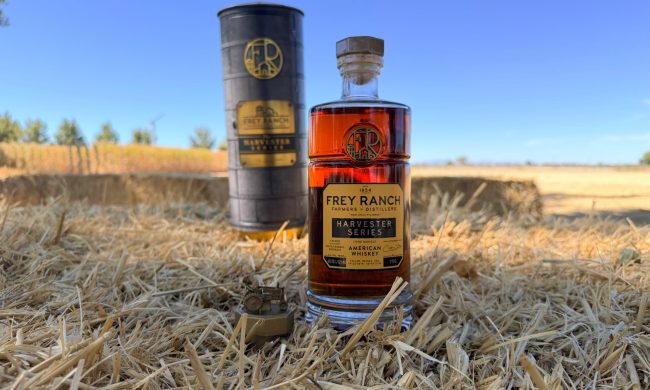
Frey Ranch’s new fan-favorite Harvester release is made with a grain for livestock
Liquor, Whiskey, Bed of Straw

Frey Ranch Distillery, the farm-to-glass whiskey maker based in Fallon, Nevada, has announced the third release in its Harvester Series, and the headline ingredient is a grain you’d usually find in a feed trough.

The new grain is triticale, a hybrid of wheat and rye that’s grown mainly as livestock feed, with side jobs as a cover crop and a biomass crop.

Read more