When you think of dry rubs and marinades, the first difference that immediately comes to mind is that one is wet and the other is dry. I’ve often wondered which one I should use for certain dishes, whether I should incorporate them both, or if they’re even necessary. I will sat that I’ve made each of them a fixture in my cooking arsenal, and for good reason. Marinades are perfect for imparting flavor and making the meat a bit more tender.
With dry rubs, you get less mess, more control, and no risk of oversoaking. But the truth is, both dry rubs and marinades have their place in the kitchen. To figure out which one belongs on your next cookout menu, you have to break down how they work, when to use them, and how to get the best of both.
What is a dry rub?

Dry rubs are a simple, no-fuss way to pack flavor onto meat without adding moisture. They’re made by mixing spices, herbs, salt, and sometimes sugar, then pressing the blend directly onto the surface of your protein. The goal is to build a bold, flavorful crust that holds up under heat.
Because there’s no liquid involved, rubs are ideal for high-heat cooking like grilling or searing. The dry mix clings to the meat, helps develop a crisp crust, and adds concentrated surface-level flavor. This is especially effective with fatty cuts like pork ribs or a thick ribeye steak, where the fat keeps the inside juicy and the rub does the rest on the outside.
Common ingredients
You can stick to the basics or go wild with blends that lean sweet, smoky, or spicy; it really is up to you.
- Salt and black pepper
- Paprika (smoked or sweet)
- Garlic and onion powder
- Brown sugar (to help with caramelization)
- Chili powder or cayenne for heat
- Dried herbs like thyme, rosemary, or oregano
What is a marinade?

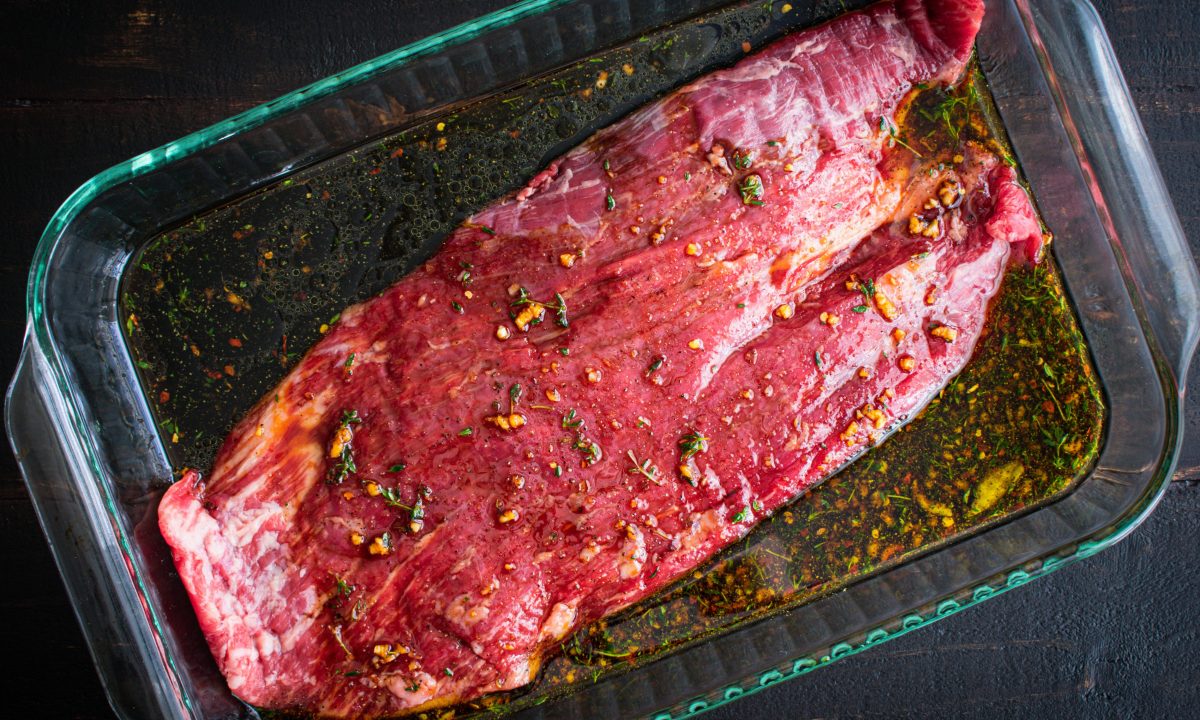
Unlike a dry rub, a marinade uses liquid to flavor and tenderize meat. It usually contains three major components: acid, fat, and aromatics. The acid (like vinegar, wine, or citrus juice) helps break down muscle fibers, making tougher cuts easier to chew. The fat (like olive or sesame oil) helps spread the flavors, while the aromatics such as garlic, herbs, spices, soy sauce bring the flavor.
Marinades are particularly useful for lean meats that don’t have much fat to protect them during cooking. Chicken breasts, turkey, fish, and skirt steak all benefit from a soak before hitting the heat. Just don’t let them sit for too long because you could end up overmarinating the meat and making it super mushy, especially when using acidic ingredients.
Marinade breakdown
Timing matters. A quick 30-minute marinade is fine for fish, but heartier meats like beef or pork can go up to 24 hours.
- Acid: lemon juice, vinegar, wine, or yogurt
- Fat: olive oil, sesame oil
- Aromatics: garlic, herbs, ginger, spices
- Sweeteners: honey, brown sugar, or soy sauce for umami and depth
Key differences between rubs and marinades

Both dry rubs and marinades aim to enhance flavor, but they go about it in different ways. Dry rubs stay on the surface, creating a textured crust that intensifies during cooking. Marinades penetrate a bit deeper, especially with time, infusing the outer layer of meat with flavor and moisture.
Rubs tend to work better when you’re after a strong outer crust, while marinades shine when tenderness and juiciness are your priorities. Neither is universally better — it just depends on the cut of meat and your end goal.
When to use a dry rub
Dry rubs are the go-to when you want instant flavor and don’t want to plan too far ahead. You can rub it on and cook right away, or let it sit for a few hours if you have time. Rubs shine on fatty meats that already have good moisture, like brisket, pork butt, or well-marbled steaks. If you’re smoking meat or cooking ribs in the oven and want that deep, crunchy bark, rubs are the way to go.
If you’re more of a “show me” than “tell me” kind of cook, meat expert Kari Underly breaks down exactly how to apply a dry rub like a pro. No guesswork, no leaking bags in the fridge, no oil-soaked containers to wash later; just a solid technique.
When to use a marinade
Marinades are perfect when you’re working with lean or tough cuts that need a little help. There are so many tasty marinades that bring flavor and help tenderize meat that might otherwise dry out. A good marinade also offers an easy way to layer in sweet, tangy, or herby notes that would be hard to achieve with a rub alone.
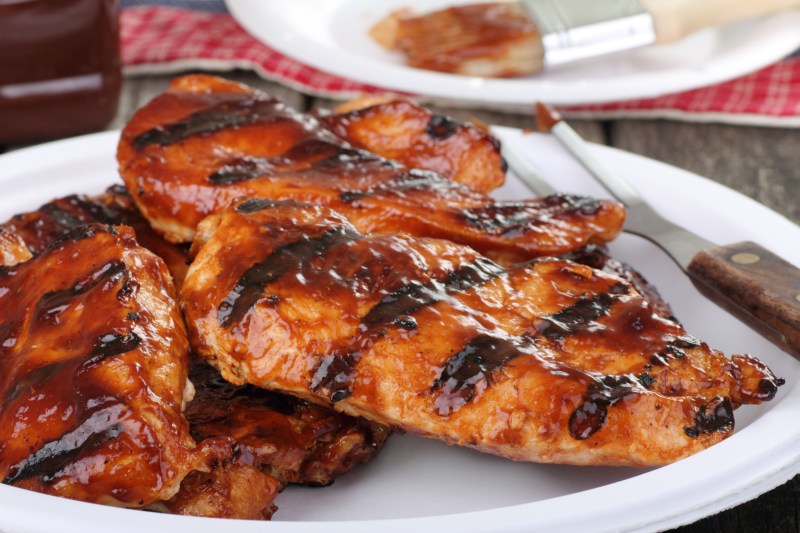
If you’re grilling boneless skinless chicken breast, for example, a marinade keeps it juicy and adds flavor that won’t burn off over the flame. And if you’re cooking ahead, marinades can double as storage while the meat soaks in all that goodness.
Can you use both?
If you really want to step up your seasoning game, try combining both methods. Marinate the meat first, let it soak for a few hours, then pat it dry and apply a dry rub before cooking. You get the tenderness and moisture from the marinade, plus the textured, flavorful crust from the rub.
Just be smart with your flavors. A soy-ginger marinade followed by a chili-garlic rub? Absolutely. A lemon-honey marinade followed by a cinnamon-sugar rub? Maybe not. Keep your combos complementary, and the results will be next-level.
Homemade vs. store-bought: Is it worth the effort?
Short answer: yes. Store-bought rubs and marinades can save time, but homemade gives you full control over salt levels, spice intensity, and overall flavor. You also skip the additives and preservatives. Plus, mixing up your own rub or marinade is oddly satisfying!
It’s not a rivalry
Dry rubs and marinades aren’t in competition — they’re different tools for different jobs. A good dry rub brings texture, bark, and bold surface flavor. A marinade softens tougher cuts and adds subtle layers of flavor and moisture. Learning when to use each (or when to combine them) is what turns a good cook into a great one. So, next time you’re standing in front of a raw steak or a chicken thigh, don’t ask which method is better. Ask which one brings out the best in what you’ve got, and go from there.