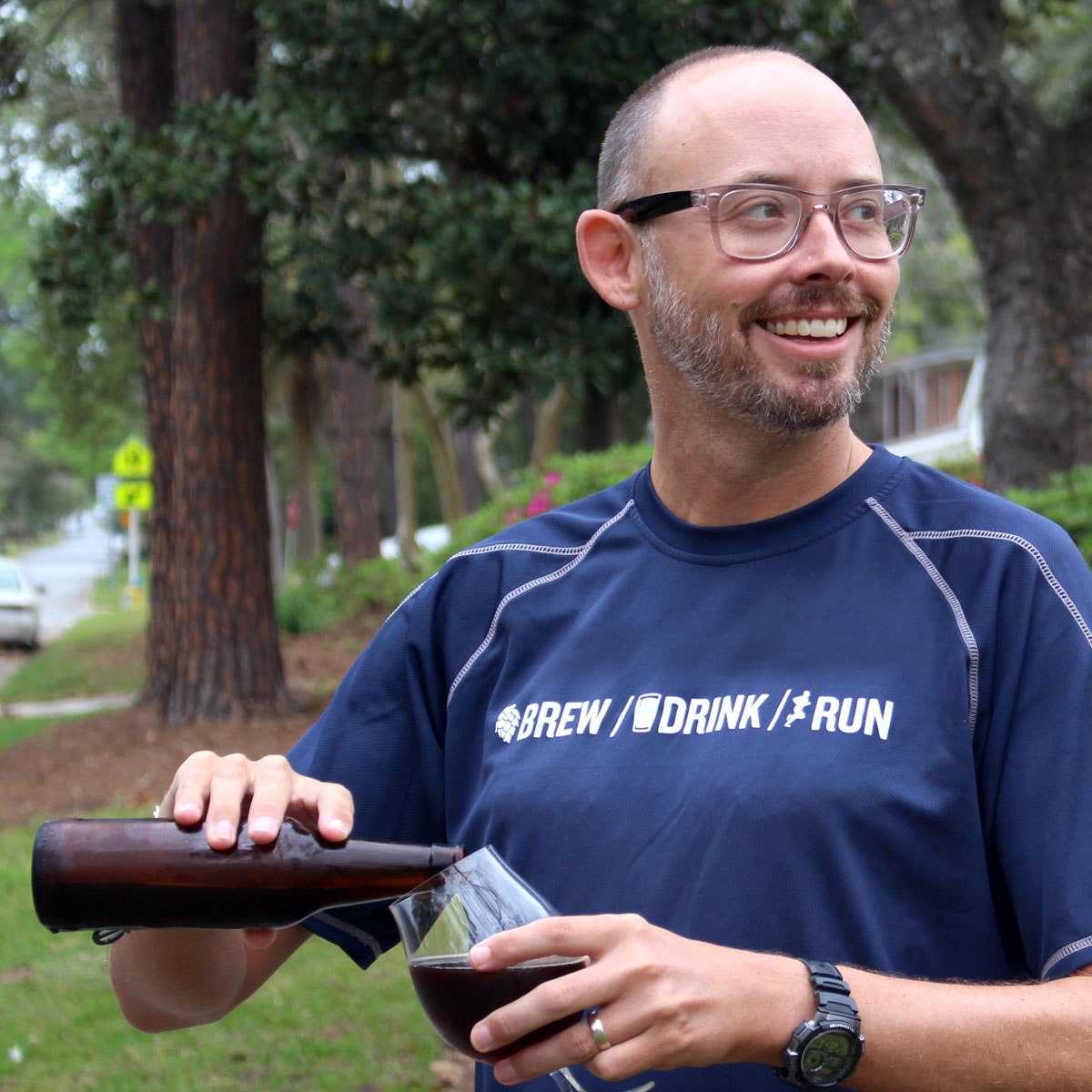
Rogue’s Dead Guy Ale and Whiskey are a perfectly matched pair.
Beers are brewed. Whiskeys are distilled. Different words, different meanings. However, the ingredients and some of the processes can be very similar, and those similarities have brought several traditional breweries into the world of distilling. Dogfish Head, New Holland and Ballast Point all made their names in the craft beer section of your local package shop, but have extended into spirits in recent years. Perhaps the best known creator working in these two genres is Oregon’s Rogue.
Related Post: Highland Park and Sixpoint Collaboration Beers
Rogue Ales started in 1988, when many of today’s hottest brewers weren’t even born. Its reputation was forged on flavorful beers highlighting the extremes extracted from malts, hops and creative additives. That creativity found new heights in beverages like Beard Beer (a beer that utilizes yeast cultured from facial hair) and the Voodoo Doughnut collaboration series where grapes, mango and bacon have alternated through as featured flavors.
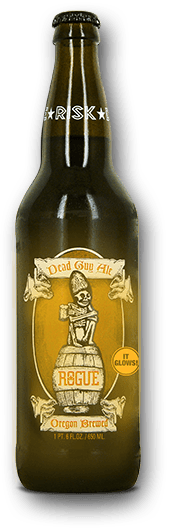
The stalwart workhorse of the Rogue line of beers is Dead Guy Ale. Designed to be Rogue’s take on the German Maibock, this smooth, balanced beer is easy to overlook. But quality and drinkability never go out of style and that combination has kept Dead Guy Ale in the Rogue rotation since the 1990s.
When Rogue expanded into spirits, they chose the same base ingredients as the beloved Dead Guy Ale for a partner whiskey. Dead Guy Whiskey is made with Munich and Rogue branded malts harvested from its own farm, along with Rogue’s own strand of Pacman Yeast and water. It’s a nearly identical checklist to the original beer. Other than a few small grain variations, the only thing the whiskey is missing is hops.
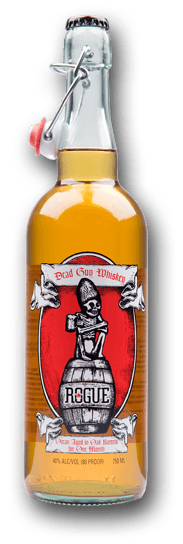
The similarity in base elements makes these two drinks perfect pairing companions to judge the effects of distilling and aging versus traditional brewing. Dead Guy Whiskey’s punch of citrus, wood and mild honey bring out the more delicate floral notes in Dead Guy Ale. Meanwhile, the comparatively thick malts and carbonation in the ale give way to the cutting vanilla finish of the whiskey.
Rogue Dead Guy Ale is 6.5% alcohol by volume and available in 22 ounce bottles, six packs and on draft. Rogue Dead Guy Whiskey is 80 proof and available in 750ml swing-top bottles.