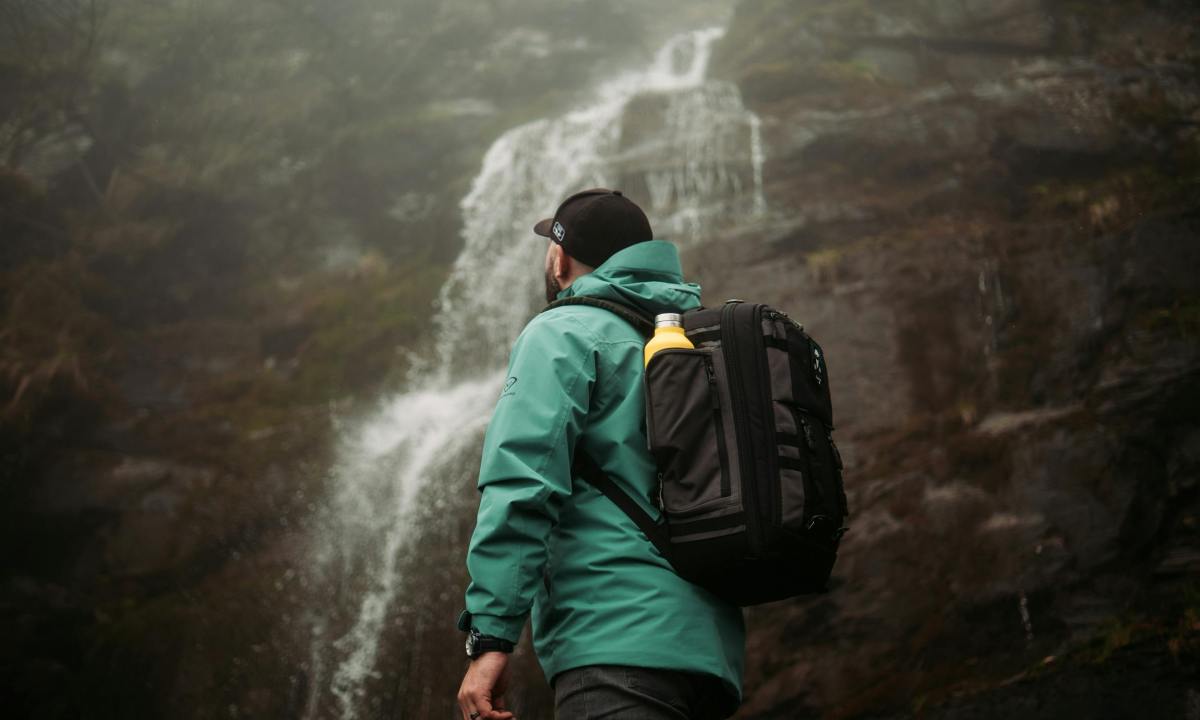
If your interest is building muscle and strength, burning calories, and strengthening your bones, then rucking is an excellent choice. It's a form of exercise with deep roots in military training; It simply involves walking hastily with a weight on your back.
However, it's beyond carrying heavy stuff in a bag. You need to carry a weighted backpack called a rucking backpack or rucksack, which should be high quality to get the best experience. But how can you decide on a quality backpack? Let’s dive in!




GoRuck GR1
- Extra lumbar padding
- Almost completely waterproof
- Dedicated and well-padded rucking plate sleeve
- Multiple zips for internal and exterior compartments to enhance organization
- No pouches for water bottles
The GoRuck GR1 was designed to thrive in the toughest conditions and was built with all the necessary features for everyday rucking. It's made from 1000D Cordura fabric and has a 210D high-tenacity Cordura back panel and shoulder straps. The zipper opens fully for easy packing. It weighs only 3.1 pounds and has a maximum weight capacity of 26 liters.

CamelBak Hawg
- Comes with 100-ou nce water storage
- Loads of molle webbing for exterior storage
- High-quality materials, durable, and resistant to abrasions
- Quick release for shoulder straps
- Limited interior storage options
This is a good alternative to GoRuck GR1 if you have a lower budget. This CamelBak backpack has more external molle webbing, which offers more room for attachments and customization. It's designed with 500D Cordura fabric, which makes it durable and similar to the GoRuck GR1. The maximum weight capacity is 23 liters, and the bag weighs 2.14 pounds.

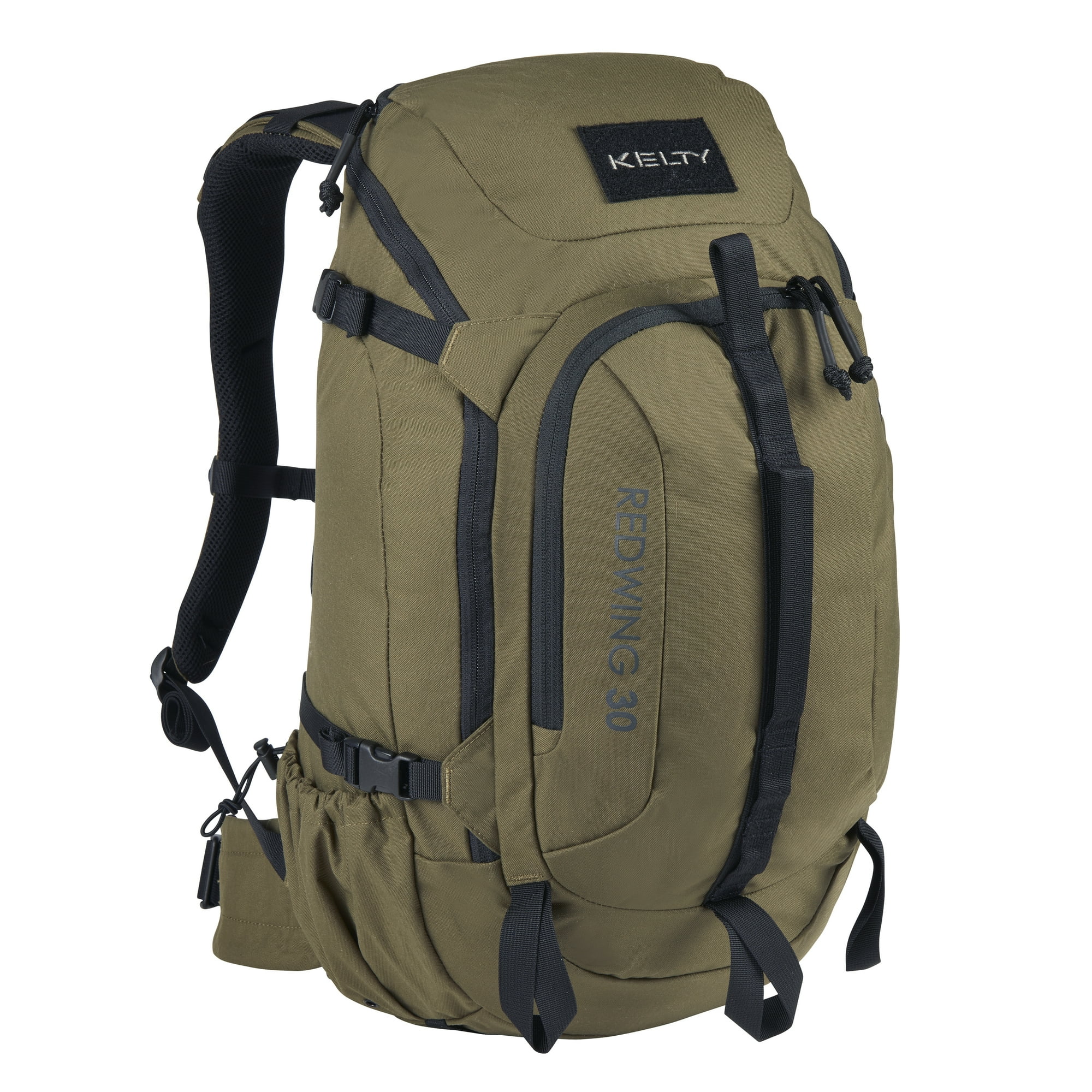
Kelty Tactical Redwing Backpack
- Highly adjustable
- Great starter pack for beginners
- Extremely compact for a rucking backpack
- Many options for securing tools
- Lacks a rain cover
The Kelty Tactical Redwing Backpack is affordable and offers great value. It has a simple and sturdy design that is much slimmer than other options. It also comes with an adjustable waist belt. Its maximum weight capacity is 30 liters, while the item weighs 2.75 pounds.

5.11 Tactical Rush 72
- High weight capacity
- Extreme durability
- Looks tactical
- Comes with a hydration bladder
- Not easy to fold down
If you're looking for a backpack with some tactical vibes and a high load capacity, this is the one for you. It's made from nigh-indestructible 1050D nylon, which is water and abrasion resistant. It has 55 liters of storage capacity and weighs 5.3 pounds.

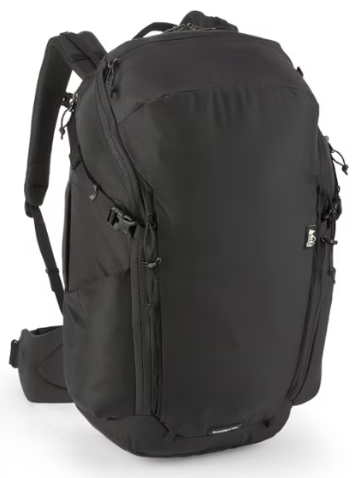
REI Co-op Rucksack 40
- Made with durable ripstop recycled material
- Water resistant with rain cover
- Has an internal spring steel frame
- Convertible design for ease of traveling
- No strap keepers
This backpack is also made with rugged recycled ripstop nylon that can withstand the most rigorous activities. The fabric has a durable water-repellent finish, and the ventilated mesh back panel offers more breathability. The backpack is lightweight. It weighs 2 pounds and has a maximum weight capacity of 40 liters.
Frequently Asked Questions
A rucking backpack is designed for rucking. It is durable and built with padded straps and reinforced materials. This is because it is used to carry weight and sometimes essential items like a water bottle, towels, gloves, snacks, etc.
The ergonomic design ensures comfort and provides support even when carrying heavy weights. The backpacks also have compartments to hold weights (ruck plates) securely.
Rucking with this backpack, in addition to a good workout plan, is an effective way to build strength and endurance, burn calories, and improve cardiovascular health since it combines durability, functionality, and comfort.
Comfort
Carrying a weight on your back while walking or climbing is not as easy as you may imagine, so comfort is a big deal. Hence, consider purchasing backpacks that have multiple adjustment points to get your perfect fit, robust padded shoulder straps, lumbar support to reduce strain, a hip belt, and ergonomic designs. All these will make you as comfortable as you can be and help you prevent injuries during extended activities.
Weight
It is possible to ruck with any weights, including kettlebells and dumbbells. But if you want to train without risking an unbalanced backpack and muscle strains, you should get a backpack with compartments that can securely carry your dedicated rucking plates and have enough room for your desired weight.
Durability
As expected, a backpack used to carry weight when rucking must be constructed from tough materials like heavy-duty nylon so it can seamlessly carry heavy loads and scale rough or rigorous activities to ensure your comfort and safety. This will also help ensure the backpack lasts long because you wouldn’t want to buy a new backpack too often.
Rucking backpacks cost as low as $50 depending on the brand, quality, and features. So, beginners or casual users who don't need too many features like reinforced straps and molle webbing can get backpacks from $50 to $100. However, if you are looking for a high-quality, durable, and comfortable backpack with midrange to advanced features, then you should budget between $100 and $400.
No, it’s not recommended. When you think about rucking and how it involves walking with a weight on your back, you may be tempted to just use any bag, but it isn't that simple. A regular backpack can't carry the load a rucking backpack can carry, it won't be balanced, and it will damage the bag, which will put you at risk as well. So, for your safety and comfort and to see the results you want from rucking, ensure you use a rucking backpack.
Rucking is just like hiking except for the load that's included. It is a very effective full-body exercise that can build multiple muscle groups at the same time. It helps strengthen bones, foster endurance and strength, and burn calories quickly.
A backpack is used to carry belongings, and it often has compartments to ease packing and organization. Rucksacks, on the other hand, are more rugged and sturdy. They typically have a large compartment designed for carrying weight and smaller compartments for other belongings.