  1. Home
  2. Outdoors
  3. News

How being stinky when hiking in the deep woods might actually save your life

Why being stinky when hiking may save your life

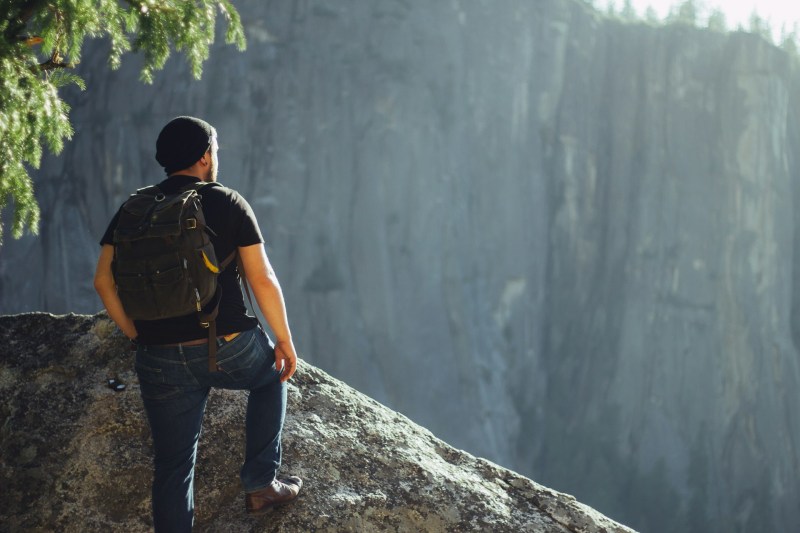
A man hiking in Yosemite
Luke Pamer / Unsplash

Imagine you’re lost in the wilderness. The trails have blurred, the woods are dense, and the only thing you have in abundance is worry. However, in this scenario, your natural body odor could be your ticket to safety.

Yes, you heard that right. When lost in the great outdoors, the unique scent produced by your body can play a crucial role in your rescue. Let’s dive into the science and strategy behind this intriguing survival tip.
Recommended Videos

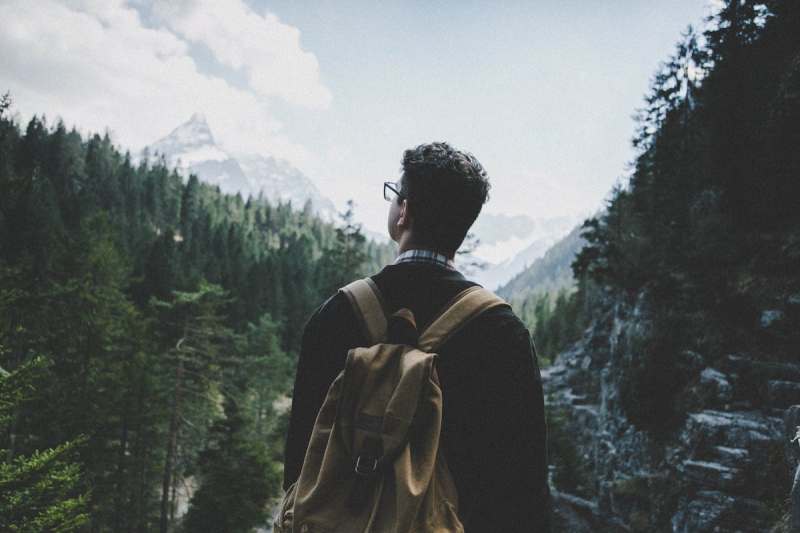
A man hiking

How to maximize your scent profile in case of emergencies

Humans have a unique scent fingerprint, a combination of chemicals emitted through sweat and other bodily processes. This scent is as unique as a fingerprint and carries distinct characteristics that can be detected and followed. In survival situations, particularly in vast, open spaces like forests or mountains, this scent becomes a beacon for search and rescue teams.

The real heroes in utilizing human scent for rescue are search dogs. These specially trained canines have a sense of smell that is thousands of times more sensitive than that of humans. They can detect and differentiate between a wide range of human scents, even in challenging environments. When a person is lost, search dogs are often deployed to follow the scent trail left behind.

To make the most of this natural tracking system, it’s advised to minimize the use of strong perfumes, deodorants, or scented lotions when heading out on a trail. These artificial scents can mask your natural odor, making it more challenging for search dogs to pick up your trail.

Before heading out, you can take proactive steps to assist potential search efforts. Leaving items with your scent on them, such as a piece of clothing, at your campsite or car can give search dogs a starting point. This practice is akin to leaving a breadcrumb trail but with scent.

If you find yourself lost, it’s crucial to stay in one place if safe to do so. Moving around not only exhausts you but also disperses your scent, making it harder for rescuers to locate you. By staying put, you concentrate your scent in one area, creating a stronger signal for search dogs.

Awareness about the role of natural body scent in rescue operations is vital. Before embarking on a hike, educate yourself and your group about this aspect. Additionally, always inform someone about your hiking route and expected return time.

Being lost in the wilderness is a daunting situation, but understanding the role of your natural body scent in rescue operations can be reassuring. By working with the incredible abilities of search dogs and taking simple steps to maximize your unique scent profile, you can significantly increase your chances of being found. Remember, sometimes, being a little stinky can be a lifesaver.

With a bright sense of adventure and a heart for the mountains, Sarah is always thrilled to share nature with others through… Read Full Bio
How the Baseus PicoGo series is making travel charging less of a hassle
Computer, Electronics, Laptop

Every traveller has an everyday carry, even if they don’t think of it that way. A smartphone is a given. Earbuds are almost always close by. Many people also carry a smartwatch, a tablet, a handheld gaming console or a lightweight laptop, depending on where the day takes them. The common thread isn’t the devices themselves but the expectation that they’ll always be ready when they’re needed.

Baseus believes portable charging should be just as effortless to carry as the devices people rely on every day. The PicoGo Series brings that idea to life with two products that complement each other. PicoGo Air leads the lineup with an ultra-thin, lightweight design for everyday smartphone charging, while PicoGo AM52 expands the experience with higher capacity, a built-in cable and multi-device charging for longer journeys. Together, they create a complete charging solution for travellers, outdoor enthusiasts and digital nomads.

Read more
Steep, Unscripted, and Now Olympic: Freeride’s Big Leap
Outdoors, Nature, Snow

Victor de Le Rue stood in the starting tent atop the Bec de Rosses, 10,574 feet above Verbier, Switzerland, and surveyed the terrain. After some fist bumps, he dropped into the face, with pitches from 45 to 60 degrees, where cliff bands and outcroppings mar the surface like sharks waiting to attack. A place to survive. Instead, he turned it into a playground.

After a quick drop off a narrow outcropping, he surfed through a powder field, approached a snowy ridge, and lept into a backflip with the deftness of a leopard. From there, the dance continued. A backside 360 off a cliff, slashes through wind-whipped snow, and a run-capping drop over an extended rock formation. This is freeride. At once, a demonstration of skill and creativity. 

Read more
Stowe Country Club Unveils a Stunning Golf Course Redesign 
Field, Nature, Outdoors

Vermont doesn’t do anything halfway, and neither does Stowe Country Club. On the eve of the redesigned 18-hole course reopening, the clubhouse buzzed with members, locals, and staff while architect Beau Welling and Mt. Mansfield Company President Sam Gaines celebrated a project years in the making. 

The transformation of Stowe Country Club represents a meaningful investment in both the game of golf and the future of the Stowe community. This project honors the history of the course while reimagining it for the next generation. – Sam Gaines, President, Mansfield Company

Read more