If you lived a hundred lifetimes, you’d still never see a fraction of all the amazing wonders here on Earth. Thanks to climate change, overpopulation, pollution, and other humanmade travesties, however, some of those wonders are disappearing — fast. It’s inspired a new brand of travel called disaster tourism: the desire to see a site devasted by a disaster, either man-made or natural. Here are five of the most endangered natural wonders that you should see before they, too, are disaster tourism attractions.
The Great Barrier Reef
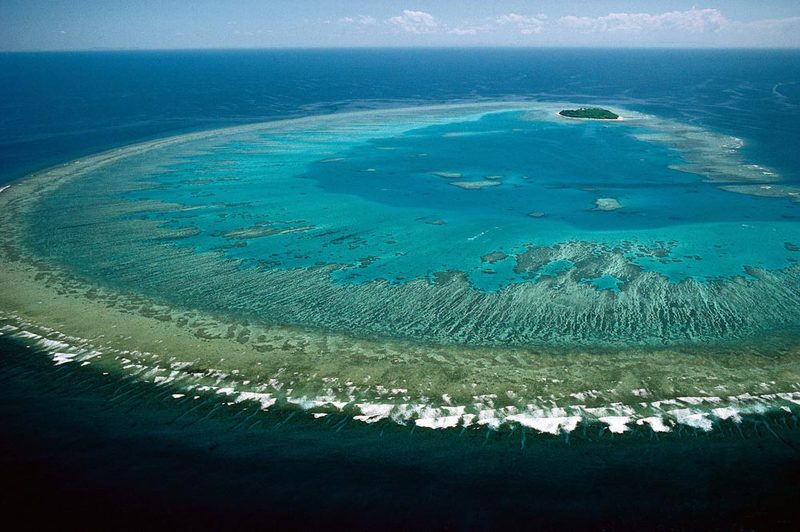
The Great Barrier Reef, the world’s largest living structure, lost half of all its coral in just the last three years. It was so devastating a crisis that Outside even published the reef’s obituary in 2016. While it’s not technically dead, it is dying much faster than even the world’s top environmentalists anticipated. Overfishing, climate change, pollution from massive flooding, and even coral-killing starfish are all to blame. All of which has prompted scientists to take drastic, yet innovative measures to save it.
How you can help: Visitors should choose eco-friendly tour providers who abide by a clear code of ethics to help protect the reef and also opt for reef-safe sunscreens on all snorkeling and diving trips.
The Dead Sea
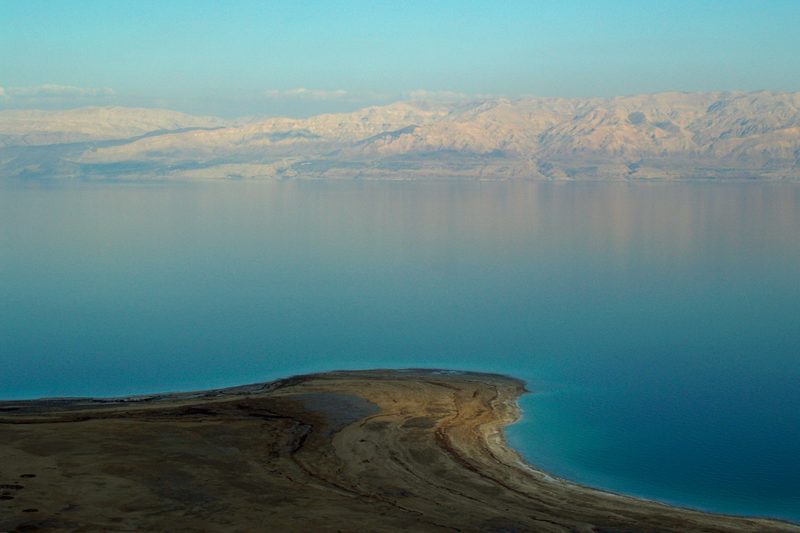
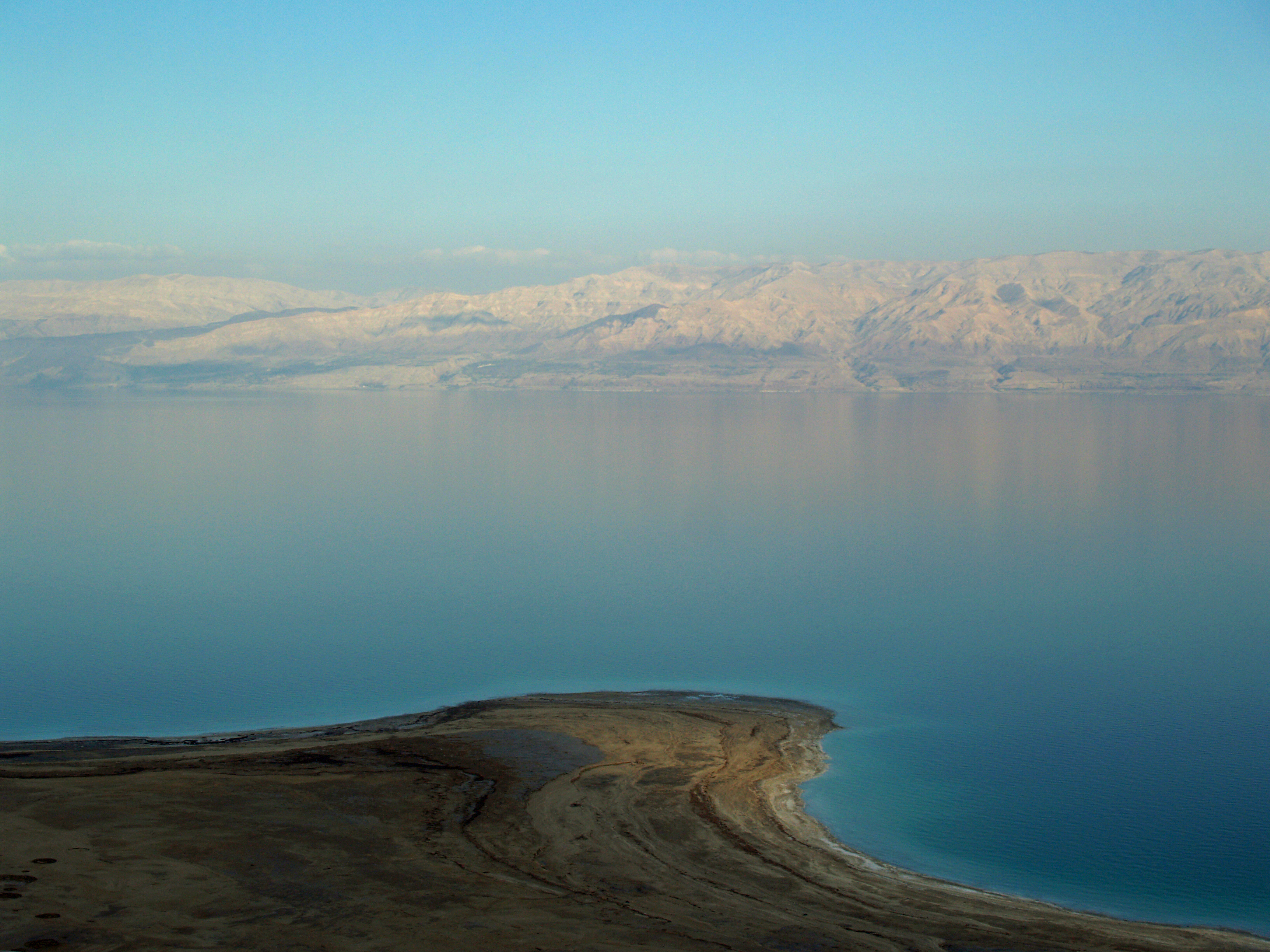
For bucket-listers — anyone who loves ticking off the world’s “biggests,” “highests,” and “fastests” — The Dead Sea is a must-visit. Situated at 1,388 feet below sea level, it’s officially the lowest point on dry land. Thanks to its purported healing properties and the eye-popping views of the surrounding desert landscape, it’s long been a popular tourist destination. However, it’s under threat due to climate change and the drying up of its primary source from the Jordan River, both of which are causing it to shrink much faster than anyone predicted — at a rate of more than three feet per year.
How you can help: Mining and diverting of water sources that feed the sea are mostly to blame. Unfortunately, there’s little that foreign tourists can do to slow the sea’s decline.
The Grand Canyon
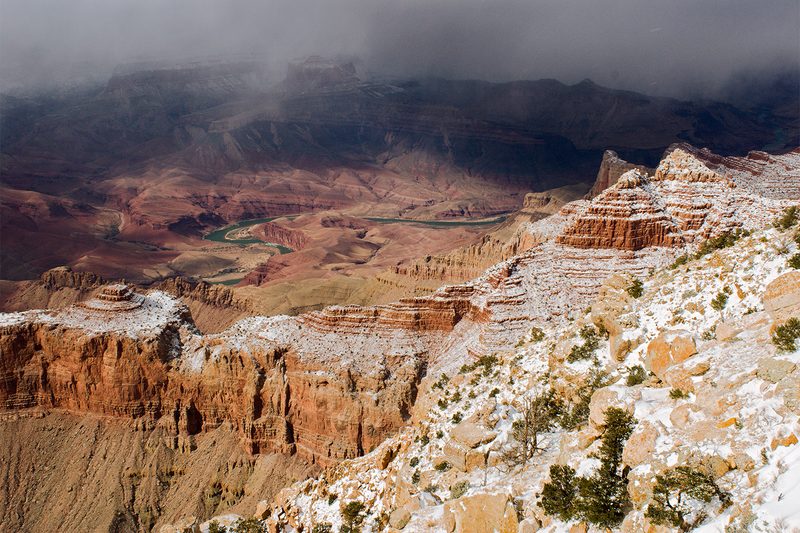
The Grand Canyon is one of the most stunning natural wonders not just in the U.S., but worldwide. Efforts to exploit the canyon for mining, to build a massive resort on its rim, and, more recently, the partial shutdown of the federal government are all threatening its future. In 2015, the National Trust of Historic Preservation ranked the Grand Canyon among its 11 most endangered historical sites in the country.
How you can help: Camp responsibly in and around the canyon and be mindful of the seven principles of Leave No Trace. On a larger scale, you can effect real change by reaching out to the policymakers who hold sway over the canyon and its resources.
Venice, Italy
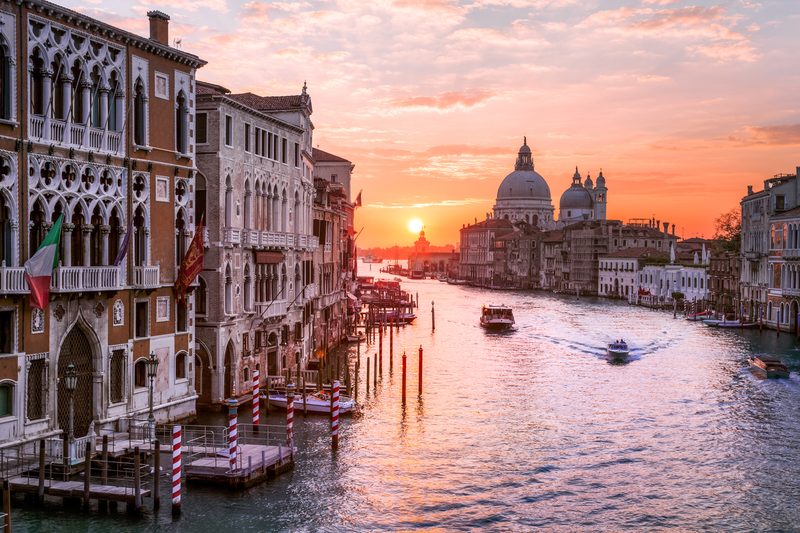
With its fascinating history, stunning architecture, and picture-perfect canals, few European destinations are as iconic among tourists as Venice. Sadly, the Italian city is almost literally being loved to death. Many believe the crush of tourism is stripping the city of its authenticity. Even McDonald’s has managed to weasel its way into town. It’s enough that the Venetian government is considering a daily tourist tax to stem the tide. Coupled with a century of near-constant flooding, it’s easy to see why the city ranks among the world’s most threatened tourist hotspots.
How you can help: Economically speaking, overnight guests help the city far more than day trippers, so consider extending your stay in the city if possible.
The Amazon Rainforest
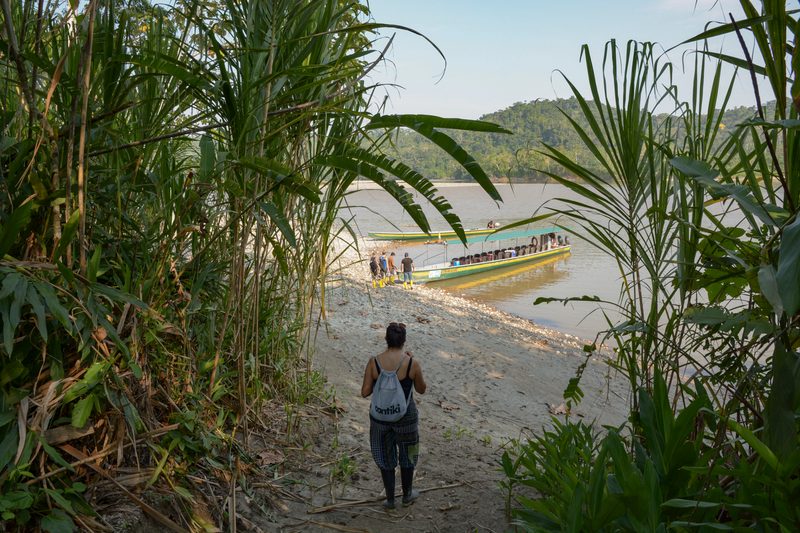
Known as “the lungs of the Earth,” the Amazon Rainforest covers more than 2 million square miles, making it the largest rainforest in the world. It’s home to more species and greater biodiversity than anywhere on the planet. It’s also rich in natural resources, making it the ideal target for mining, farming, logging, and ranching. Unfortunately, all of these industries are depleting that rainforest’s resources faster than they can be replenished.
How you can help: Help curb demand for the rainforest’s resources by buying products and produce sourced from your local, eco-conscious farms and farmer’s markets whenever possible.