As the cold winter months approach, it can be harder to find fresh and local produce. Most of the growing season ends with the first frost. You can still find some of the healthiest vegetables year-round but eating somewhat seasonally can be both more economical and more nourishing for your health. The winter months are a perfect time to embrace root vegetables.
These types of vegetables grow underground and tend to persist through the colder months and are harvested during the fall and winter seasons. They are the edible root of the plant which means they store vitamins, minerals, and other nutrients for the plant, making them highly nutritional. Finally, as most root vegetables are somewhat starchy and rich in complex carbohydrates, they can be cooked into comforting, satisfyingly warm dishes on chilly days. Expand your palate this winter with the healthy winter root vegetables introduced below.
Potatoes
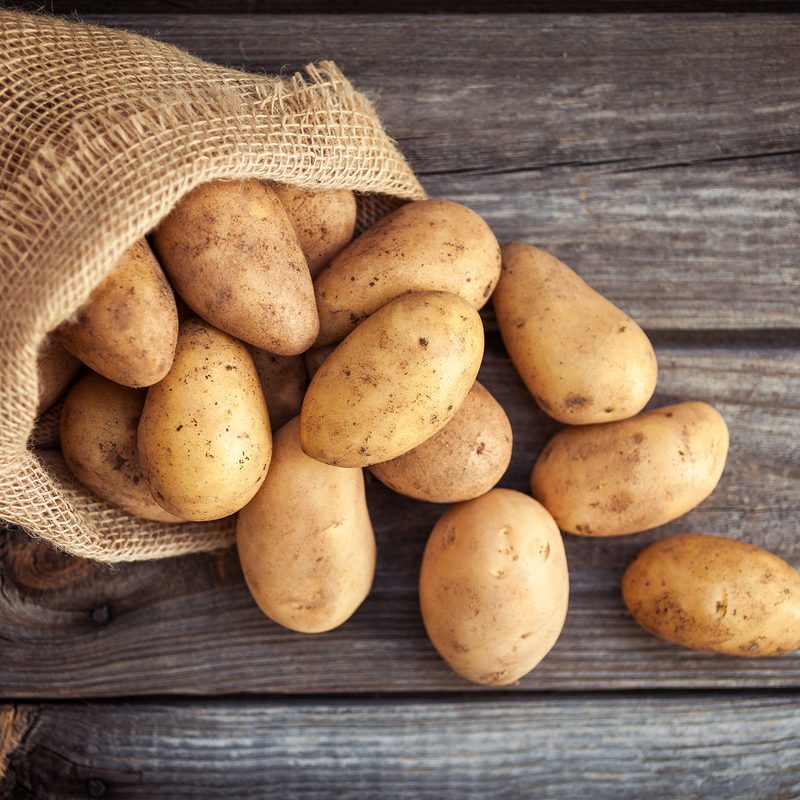
It makes sense to kick off our list with the tried-and-true, humble potato. That said, potatoes are technically tubers—not a root vegetable—but they are commonly lumped together due to their similarity. Tubers like potatoes and sweet potatoes form at the base of a root and store nutrients for the plant.
Though potatoes sometimes get demonized by proponents of low-carb diets, these arguably maligned spuds are actually quite nutritious, as they store nutrients for the plant. Potatoes are a good source of vitamin C, B vitamins, potassium, and minerals such as magnesium and phosphorus. They also contain antioxidants and can help lower blood sugar. Extremely versatile, potato recipes are easily baked, boiled, or steamed, and enjoyed whole, puréed or mashed, in soups or stews, or turned into crispy chips in an air fryer.
Sweet Potatoes

Sweet potatoes are delicious, nutritious tubers that are packed with vitamin A and beta-carotene, an antioxidant that protects eye health, promotes skin health, and reduces oxidative damage. They also contain a lot of fiber and B vitamins and are very filling. Due to their natural sweetness, sweet potatoes can be used in both savory and sweet dishes, ranging from hearty stews to holiday pies. Sweet potatoes pair well with warming spices like cinnamon and nutmeg as well as savory spices like sage and cumin.
Carrots
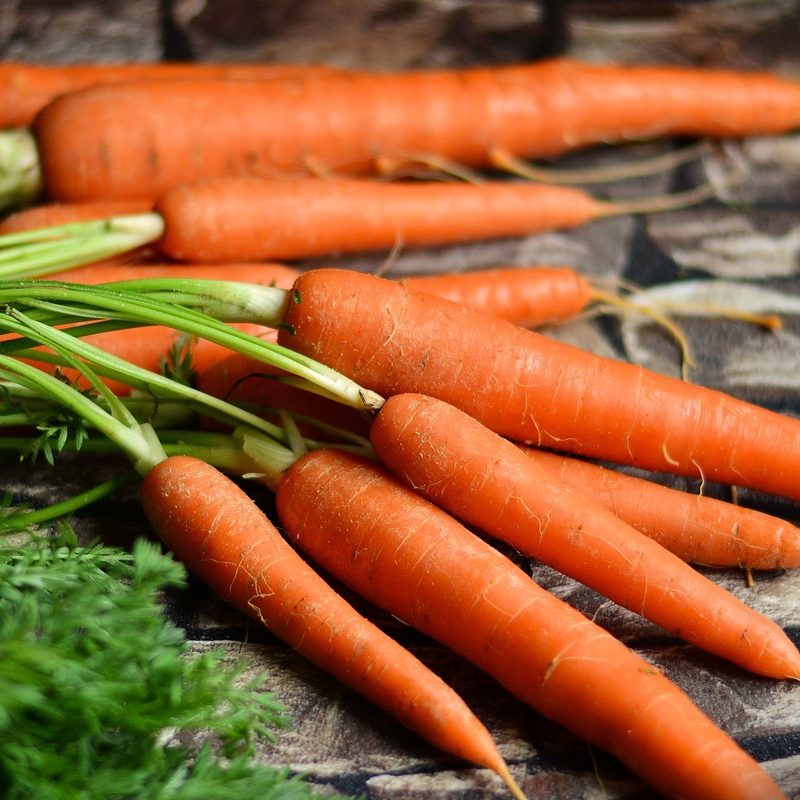
We are all well acquainted with carrots, and their sweetness pairs well with a variety of dishes. Carrots are often part of the base of soups and stews, but can also be roasted and glazed and enjoyed whole, eaten raw in salads, or grated and added to muffins or slaws.
Carrots are low in calories and contain a lot of fiber and micronutrients, including vitamin A in the form of beta-carotene. In fact, one cup of raw carrots provides over four times the recommended daily intake of vitamin A. Carrots are also a rich source of vitamin K, B vitamins, and potassium.
Jerusalem Artichokes
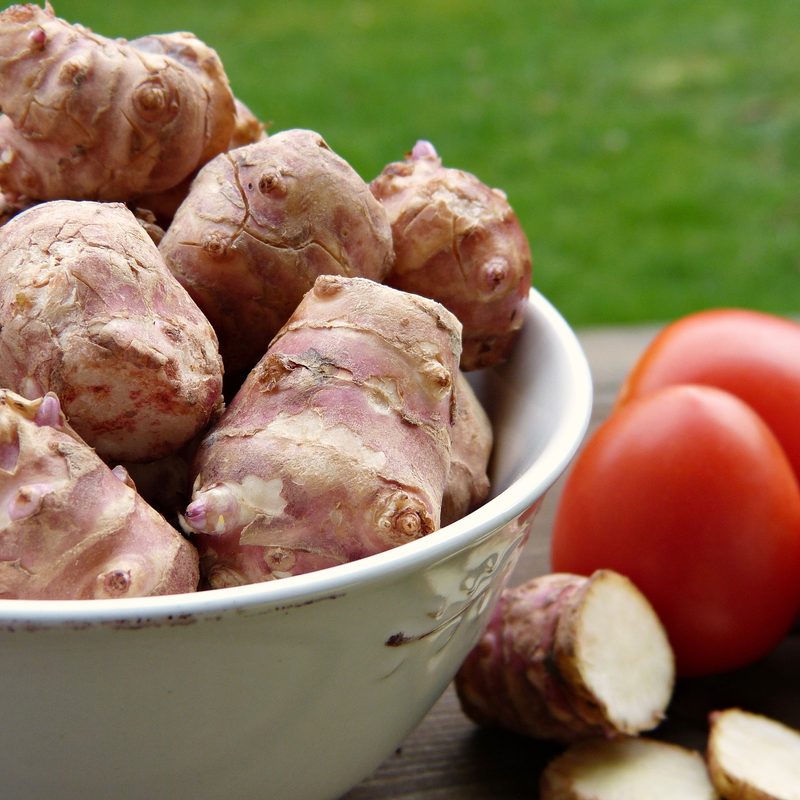
Though they share a common name, Jerusalem artichokes are actually not the same as artichokes. Also called sunchokes, Jerusalem artichokes are one of the richest sources of prebiotic fibers, which are non-digestible fibers, such as inulin, that feed the healthy gut bacteria. Jerusalem artichokes are delicious in stews and soups, imparting a slightly sweet, earthy flavor. They can also be peeled, roasted, and mashed much like potatoes. Another fun application is to slice them thin, season them with salt and olive oil, and bake them into crispy chips.
Celeriac
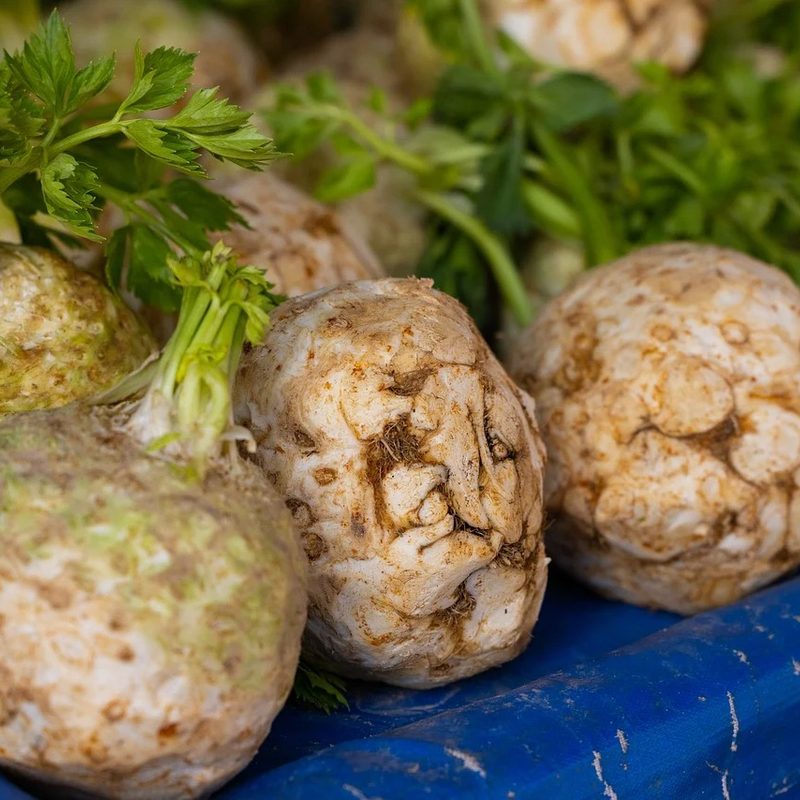
Celeriac, also called celery root, is actually not the root of the celery plant but is a root vegetable. It earns its name due to its light celery flavor. Though not necessarily the prettiest vegetable, celeriac is a healthy source of vitamin C, vitamin K, B vitamins, and fiber. It is filling and can aid digestion. Most people like to add celeriac to stews or soups but it can also be steamed and mashed.
Beets
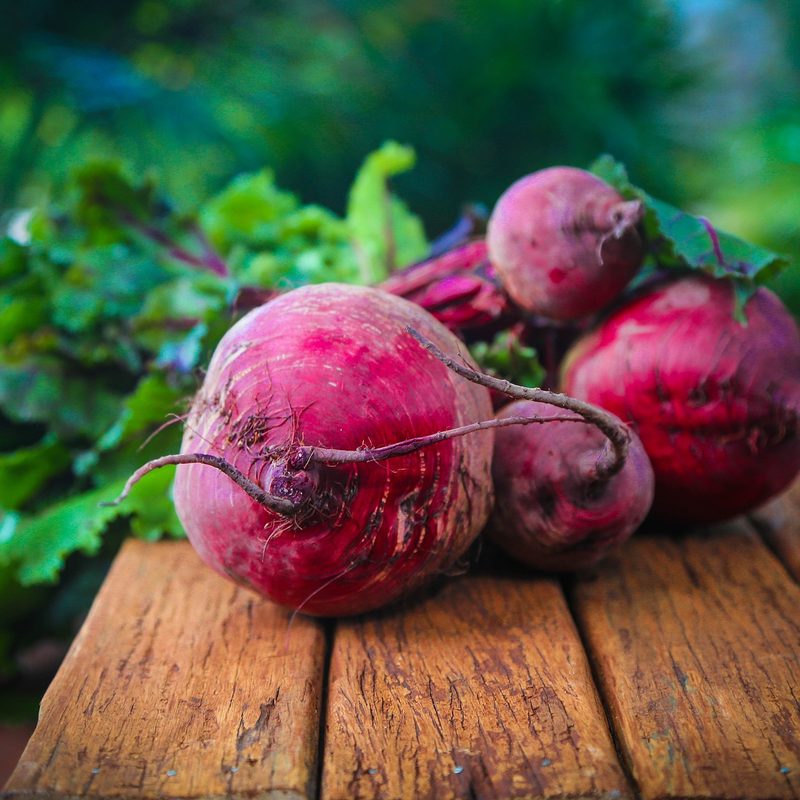
There are several different colors and varieties of beets, but they are all deliciously sweet and crunchy, with earthy notes, and can be enjoyed peeled and raw, cooked, or pickled. Beets pair well with goat cheese and herbs, salads, balsamic and other acids, and other root vegetables.
Beets are rich in antioxidants such as betalains, which reduce inflammation and help detoxify the body. They also contain folate, vitamin C, potassium, and fiber, making them as healthy as they are sweet.
Parsnips
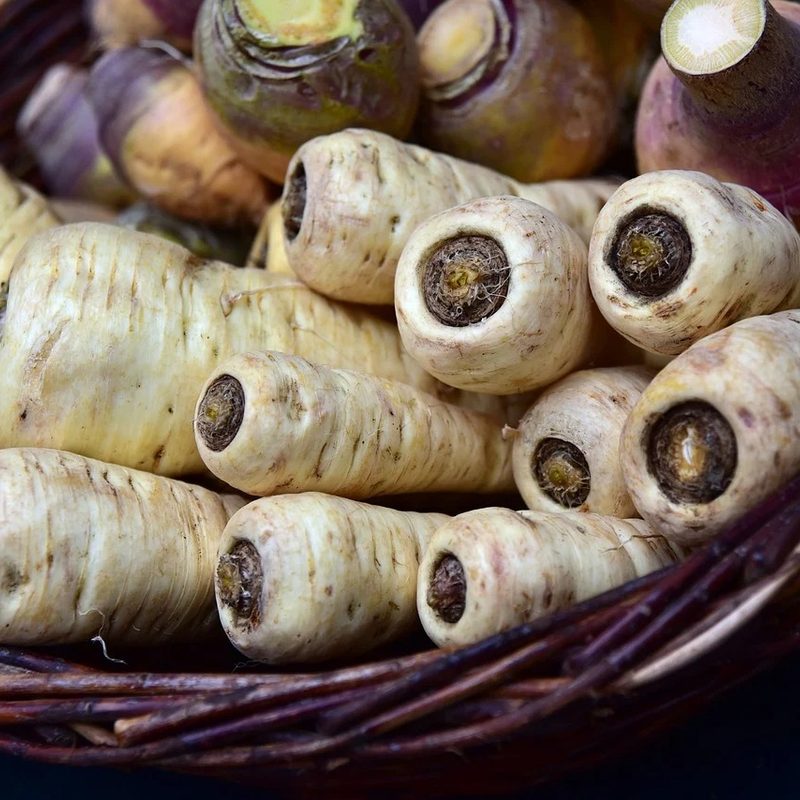
Parsnips resemble carrots but have a crunchier, more fibrous texture and a nuttier flavor. They taste delicious roasted or chopped and cooked into stews and soups, imparting a slightly cinnamon-like flavor. The average-sized parsnip provides one-third of your daily vitamin C needs and one-quarter of each folate and fiber. Parsnips are also an excellent source of vital minerals, such as copper, phosphorus, manganese, potassium, and magnesium.
Rutabaga
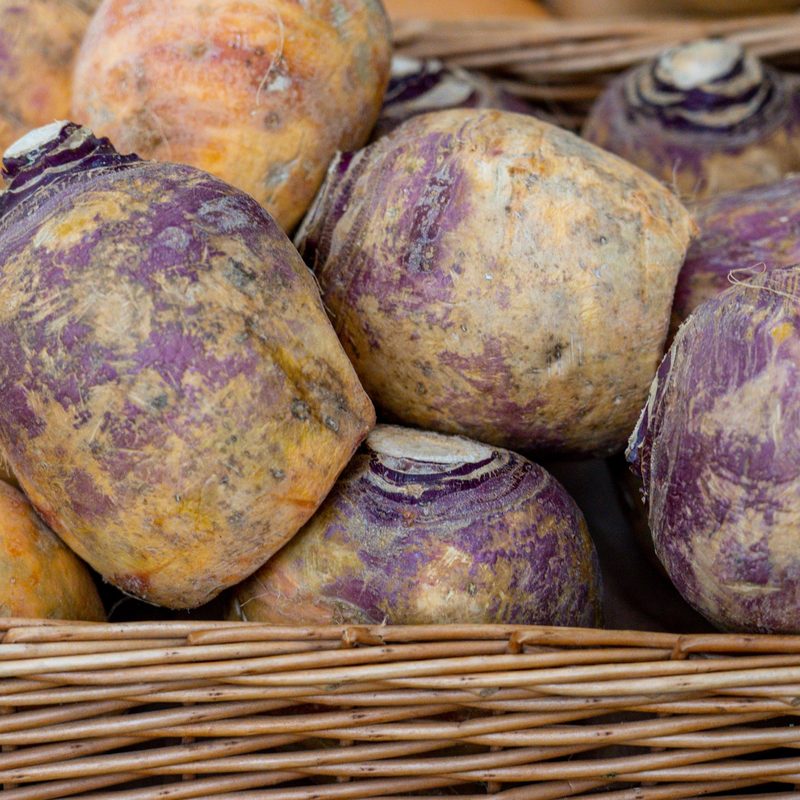
Rutabagas are a large root vegetable that is somewhat turnip-like. They are actually related to cruciferous vegetables like broccoli, cauliflower, and Brussels sprouts, and provide many of the same nutrients such as vitamin C, fiber, and potassium. Rutabagas have less of a bitter bite than turnips, so they can be more versatile in winter recipes. They pair well with onions, thyme, butter, sage, and meats like sausage or bacon.