
Imagine sitting on a beach and staring out at the ocean, the peaceful sounds of the waves making the rest of the world disappear. Then, out of nowhere, a garbage truck dumps an entire load of unwanted clothing on top of you. Every second, one of these loads of textiles is landfilled or burned, while countries like Chile and Ghana get literal tons of garments shoved into their open lands. This creates one of the most wasteful industries in the world, fashion. Men’s fashion plays a huge part, which means you can look to companies doing their best to help fight this waste. Whether you are buying a suit, looking for the perfect shoe, trying on the right hat, or building a wardrobe from scratch, there are environmentally safe options. That is where co-founders Emily Mikhaiel and Mahmoud El Gazzar of Nazeerah come into the picture.
Emily began her journey in law school but quickly found a new path. “I learned that most environmental laws in the US had not changed since the 1970s when they were first enacted and served as a bandage for a much bigger problem.” She then decided to change her direction in life and moved on from law and into the fashion industry. “I felt called to go down a different path. I wanted to start a business that could change the system, that could set a precedent, and show others that there is a better way.” The result is the start of Nazeerah, built on four pillars:
- To support regenerative agriculture, a real solution for restoring our ecological systems and sequestering carbon.
- To consider the end of life of the garment first, therefore, working towards creating a truly circular and biodegradable brand.
- To respect and honor every human being that is part of the complex system of clothing manufacturing.
- To be fully transparent to you, the consumer, about what goes into each garment and who is making them.
They took this to the industry and are looking at one major goal.
Changing the business
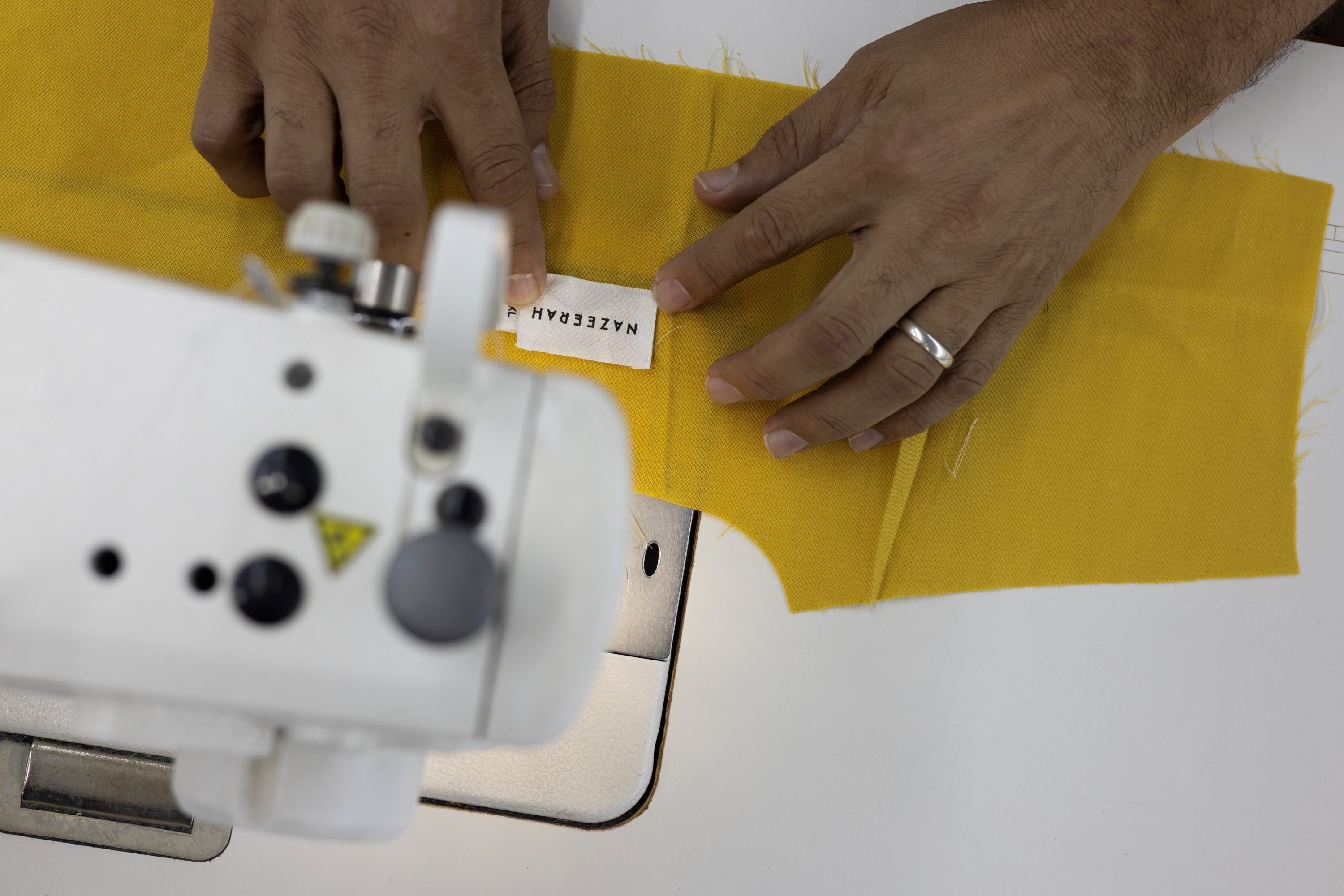
Mahmoud has been in the fashion industry for a long time, making clothing for some of the biggest names in your closet. While making a living creating for other brands, he endeavored for more and teamed with Emily to change the industry. When asked what steps they are taking to accomplish the goal, he keys us in on their process.
“We consider the end of life of the garment first and work backward, meaning we design around biodegradability and recyclability of the product. From the fabric to the buttons, the fusing, and sewing thread. Even the packaging. We do everything we can to avoid synthetic and plastic materials. We only work with factories where I know that the workers are being treated fairly and equitably. We pay more for each piece and request that that money go back to the workers.” He goes on to talk about sourcing everything from Egypt, supporting the local farms, and everything from manufacturing and supply chains directly from Egypt. They also have moved on from third-party quality control to keep it all in-house, guaranteeing the quality and environmentally sound ethics the founders hold.
Egyptian cotton’s role
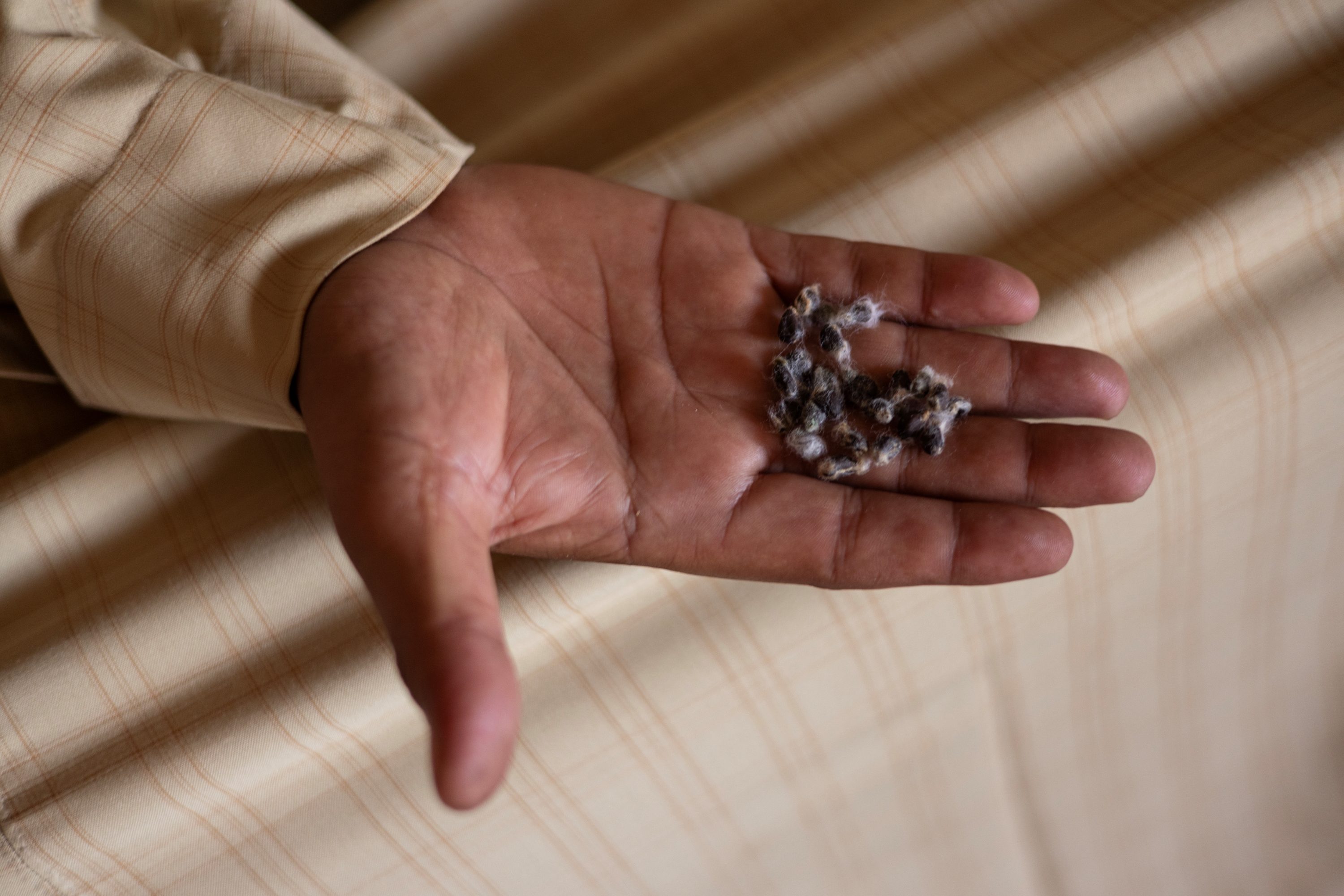
One of the hardest things about staying eco-friendly within the fashion industry is that consumers’ tactile desires don’t always align with their desire to help the planet. Sure, it sounds great to stay eco-friendly, but is it comfortable? Does it move with me? Does it breathe? How often will you have to replace it because it breaks down? If it is biodegradable in a landfill, then it is biodegradable on your back, right? That is where Nazeerah’s secret weapon comes into play.
“Egyptian cotton is an extra long staple cotton, meaning its fibers are a lot longer than other types of cotton,” Mahmoud explains. “This allows it to be woven or knitted into a much softer and finer fabric while at the same time maintaining a higher level of durability because the longer fibers prevent pilling and breakage.”
Diving into menswear
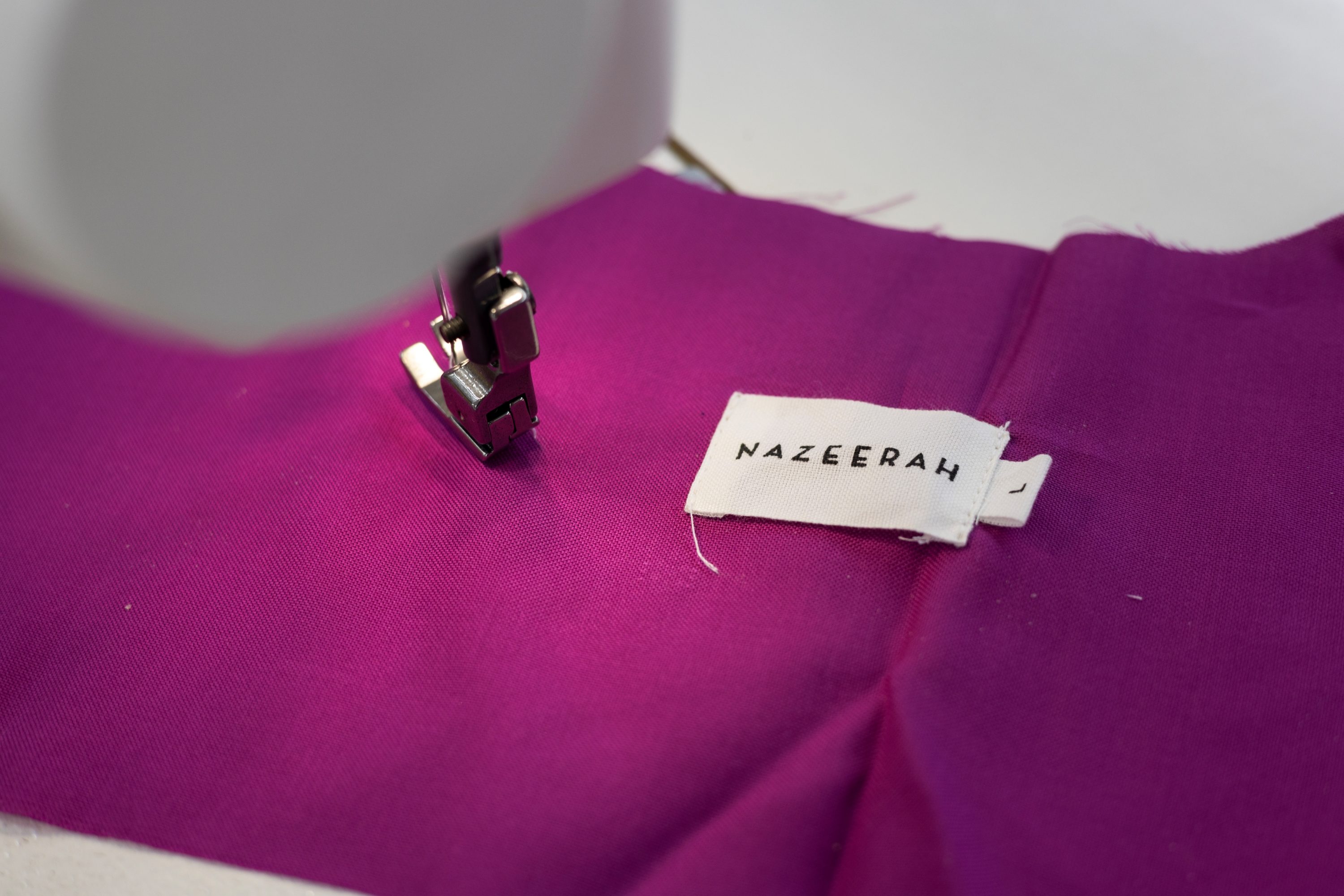
At the moment, there is only women’s clothing available from Nazeerah, and finding eco-friendly clothing is one of the harder parts of shopping for menswear. However, the company recognizes this challenge and looks to solve it in the Spring. “We’re excited to offer a sustainable clothing option for men, a sector that tends to be more overlooked when it comes to sustainable clothing,” Mahmoud says.
When asked what we can expect from their upcoming men’s line, they give us a sneak peek. “We’re still in the process of deciding the details, but it will be a capsule collection like our current collection. It will offer organic Egyptian cotton basics like t-shirts, sweatpants, and sweatshirts, woven twill trousers, organic denim jeans, woven button-up shirting in Egyptian cotton and linen, linen/cotton blend blazers, and possibly even underwear.”
The world of fashion is changing, and lucky for you, Nazeerah is making it easier and more accessible than ever to do your part.


