  1. Home
  2. Travel
  3. News

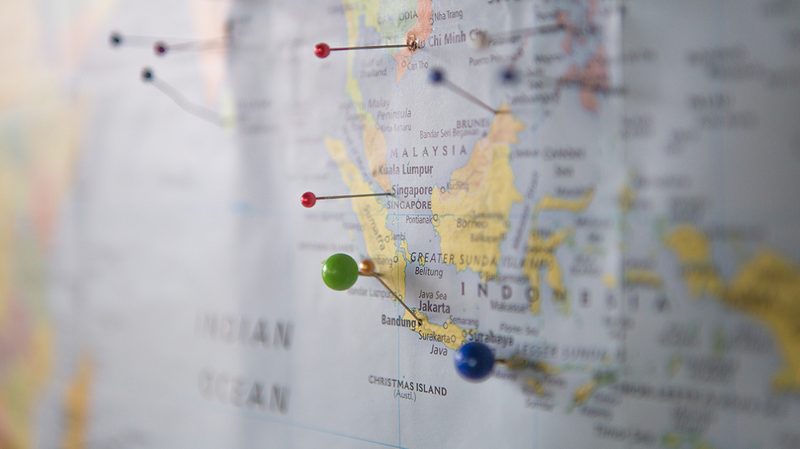
Race Around the World for $50,000 Cash in the Global Scavenger Hunt

map globe world
Image used with permission by copyright holder

The Amazing Race is cool and all, but contestants have to deal with unpredictable rules (like getting paired up with a stranger), the constant eye of network television cameras, and Phil Keoghan. If you’ve ever wanted to experience all the same thrills of world travel, championship bragging rights, and fat cash prizes, Global Scavenger Hunt may be just the trick.

Spring 2019 will see the return of the world travel championship known as the Global Scavenger Hunt. The 15th annual event is open to hardcore Indiana Jones-style travelers looking to tour the world and pit their geography and scavenging skills to the test against other elite teams. They’ll start in San Francisco and travel to New York City the long way. The first-place team will ultimately be crowned “The World’s Greatest Travelers” and, most importantly, take home a cash prize of $50,000.

Recommended Videos

The sizable cash prize motivates most travelers, but there’s a strict screening process to ensure entrants actually have the chops to pull off a victory. Event director William Chalmers notes:

“Prize money provides inspiration. We want the best international travelers to participate. The 2019 event will find out if travel writers and bloggers know the world as well as they claim to; whether social media influencers and travel agents know anything about travel; and whether some of the world’s ‘most traveled people’ and Amazing Race wannabes actually have any real-world travel skills. Participating and winning our $50,000 winner-take-all prize will be the ultimate proof.”

Next year’s three-week event will encourage travelers to “trust strangers in strange lands.” The theme of individual competitions along the way will center around taking contestants on A Blind Date with the World. The GSH tour will visit 10 secret destinations and contestants will not be provided any prior knowledge about where they’ll be visiting or when. The contest unfolds through a series of authentic, hands-on challenges designed to test their travel and cultural prowess. Previous hunts have included things like taking salsa lessons, meditating with monks, working as an elephant trainer, cooking traditional dishes with local chefs, cracking ancient temple mysteries, and learning local languages on the fly.

The next Global Scavenger Hunt kicks off April 12, 2019, and runs through May 4. The price of admission? A cool USD $25,000 per two-person team. If that sounds steep, consider the entry fee includes all international travel, first-class luxury hotels, 40 percent of meals (sadly, no booze), and bespoke travel gear.

Not surprisingly, tickets are extremely limited. So, if you want in, we recommend registering early (i.e. now).

Mike Richard has traveled the world since 2008. He’s kayaked in Antarctica, tracked endangered African wild dogs in South… Read Full Bio
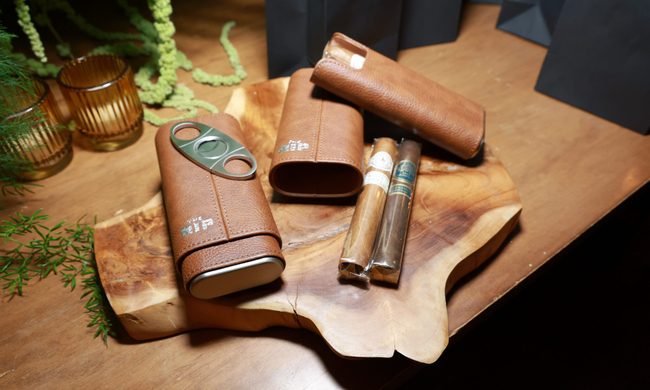
5 Tips If You’re Traveling With Cigars: I Learned No. 2 the Hard Way
Wood, Hardwood, Accessories

Traveling with cigars can be challenging if you’re not prepared. The lack of preparation can lead to your favorite cigars getting smashed from inadequate storage, or they can peel because they weren’t kept at the proper temperature, among other issues. Sometimes you do all the right things, and still come away shaking your head.

I’ve been smoking cigars for two decades now, and it’s not beneath me to admit that I’ve made plenty of cigar travel mistakes in that span, and as recently as two weeks ago. You live, you learn, and hope you don’t waste a stogie on the next trip. My most recent cigar travel mistake is what inspired me to share these tips. Sure, there are plenty of articles out there offering similar advice. But this list comes from a cigar smoker and writer who has visited six countries and about a dozen states in the last year alone. And in that time, mistakes were made, and lessons were learned.

Read more
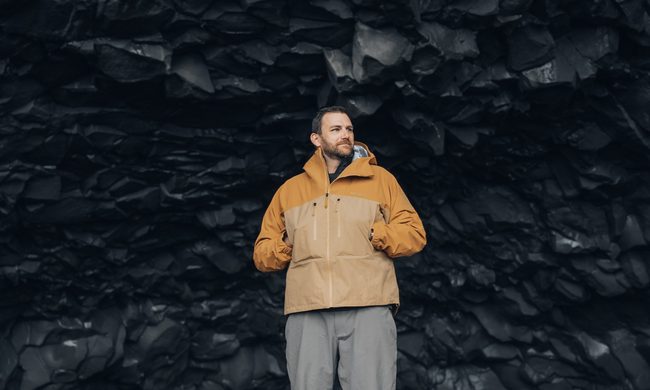
The art of adventure packing: packing light but effective
Clothing, Coat, Jacket

If you are like me, you grew up with stories of adventure. Whether you were fans of fictional adventure like Indiana Jones and Alan Quartermain, or you loved the true-life accounts of Ernest Shackleton and David Livingstone, there is a deep pull to venture into the unknown. The desire to abandon the Mon-Fri 9-5 in search of something deeper. You could spend your time thinking about hopping a boat and sailing the seven seas like the pirates of old. You could look up at the elusive peak of a mountain and believe it begs to be summited. You could stare into the depths of a jungle and wonder what treasures it hides beneath its canopy. No matter what kind of adventurer you are, you need to be prepared for whatever the world throws at you. I have climbed Salkantay Peak and explored the jungles of Peru. I have scanned the plains of Africa in search of a giant cat (the prospect of which was much more comforting than the actual sighting and wondering if I was far enough away). And I have disappeared into the secluded areas of Svalbard. One thing that remained constant was the need for the right pack.

Here is what I learned when packing for my adventures.

Read more
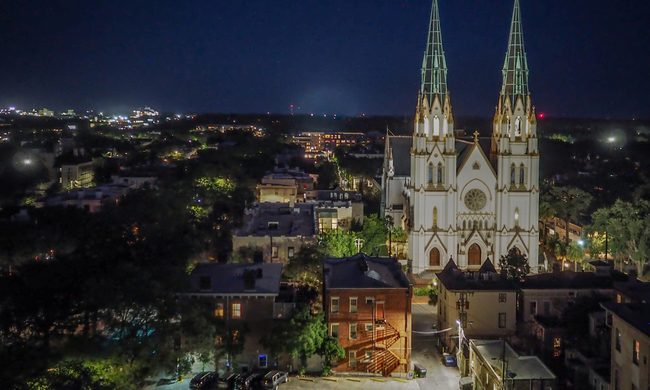
Savannah Beyond the Postcard
Architecture, Building, Spire

Savannah is one of those cities that seems almost too easy to like. The live oaks are dramatic. The Spanish moss does exactly what it is supposed to do. The brick sidewalks buckle in all the right places. The houses look like they were designed by people who understood proportion, shade, and the value of a proper front step. Even the light seems to arrive with better manners than it does in most places.

I have a built-in advantage when it comes to Savannah. We have family there, so we have been back several times, not just once for the checklist version of the city. I have also done a photography workshop there, which is a terrific way to learn any city. You get up early, stay out late, and pay attention to alleys, doorways, ironwork, reflections, and the way a city changes when the tourists are still asleep.

Read more