Fast fashion describes clothing designs that move from the catwalk to clothing stores with a quickness to profit from popping trends. Not only does fast fashion add to environmental degradation as discarded threads become waste clogging the Earth, but the custom also provides a great opportunity for design theft. Nanjing, China-based Shein might be the index case for this fast practice.
Founded in 2008, Shein is now the world’s largest online fashion company by sales of self-branded products, according to market analyst Euromonitor. This incredible success from what used to be a tiny wholesale clothing company, unfortunately, includes numerous claims of design fraud. As the giant online fast-fashion player encroaches upon the long-held territory of more established big box store rivals like Zara and H&M, designers from Levi Strauss and Stüssy to solo Canadian and British artists are accusing Shein of trademark infringement. The online fashion house vehemently denies the accusations but now faces multiple multi-million suits as well as a declining reputation in the international marketplace. Whether or not that slows down the behemoth, however, remains to be seen.

For all of its present problems, Shein’s past represents a stellar, digital-age capital success story. After beginning by selling wedding dresses, founder Chris Xu expanded into womenswear in 2012, changing the company’s name from ZZKKO to Shein at the same time. The firm began its rocket ascent into rare retail firmament after acquiring Chinese eCommerce retailer Romwe in 2014. This allowed Xu to expand Shein’s supply chain reach and broach international markets for the first time. Xu’s ambition was on full display when the business hired 800 new designers to begin making Shein brand textiles. Now the clothing company sells in over 220 countries and is a staple of Gen Z style.
Shein aims squarely at adolescent social influencers on Instagram and TikTok, offering hundreds of new low-cost, high fashion items to teenage shoppers. The fashion firm is able to keep things fresh by adding hundreds of new designs to its app every week. This earned the e-retailer the number two spot as teens’ favorite online shopping site in Piper Sandler’s October “Taking Stock With Teens” survey. With clothing stores closed during the last two pandemic years, online fashion exploded. It’s estimated that Shein’s revenue grew by 250%. Last February, Forbes estimated its revenues as “in excess of $10 billion annually,” a 250% leap in net growth. This ultra-fast expansion, however, seems to have been aided by simply stealing looks.
Though the company refuses to acknowledge this possibility, the eye test certainly suggests something fishy. Check out the side-by-side of Dr. Marten Jadon Platform Boots versus Shein’s Lace Front Platform Lug Sole Combat Boot and try to argue that the latter was not influenced by the former.
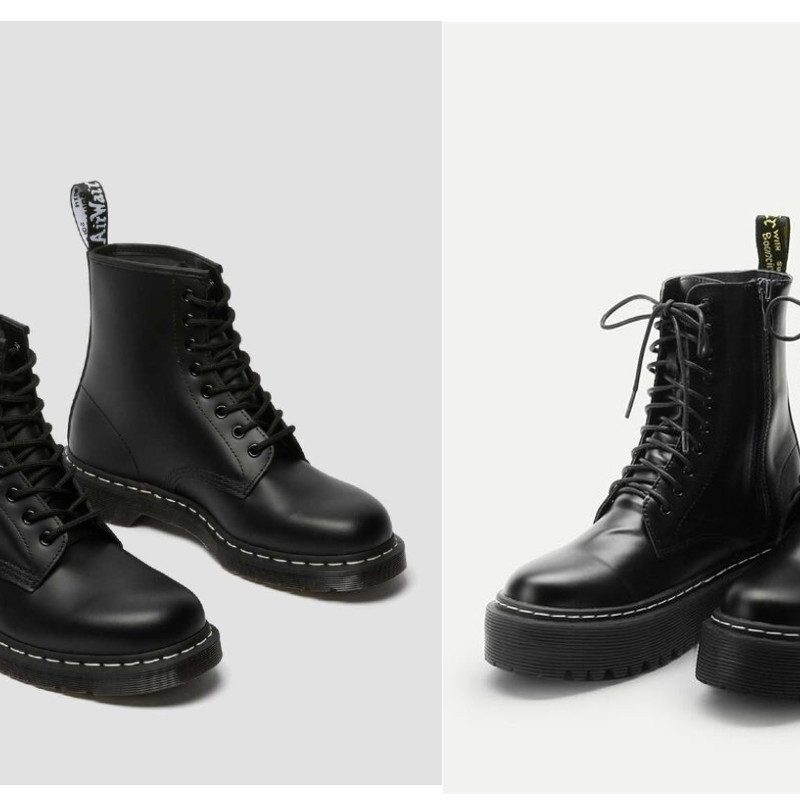
In addition to suits from U.S. and British fashion retailers, Shein faces public pressure from news coverage featuring several sole proprietors whose work was obviously copied, manufactured, and sold off as Shein’s own creation.
The question now is how much Shein may bow to public pressure. The brand has made some efforts lately to address this negative press surrounding trademark disputes. It includes complying with intellectual copyright claims by quietly taking down and investigating emailed design assertions from protesting users. This action, however, does not include reimbursing original artists.
Shein means “addiction” in Mandarin Chinese (according to Euromonitor), and the online app continues to proliferate amidst Western youth as an easily attainable and consumable brand. Despite its claims to the contrary, the company shows no signs that it may stray from creating compulsive buying, no matter how ethically gray this may be. There is, after all, a lot of money to be made.