Snowboarding lets you get creative on the mountain. From powder slashes to poked-out airs, you can express your personality on the snow. That’s what makes the sport great.
Different riders have varying styles, with some focused on boosting in the park, while others like ripping natural terrain. One’s no better than the other — it’s just about doing what you like and having a good time.
So, what’s the difference between freestyle and freeride snowboarding? It’s not an exact science, but each concentrates on unique aspects of the snowboard experience. Let’s take a closer look.
What is freeride snowboarding?
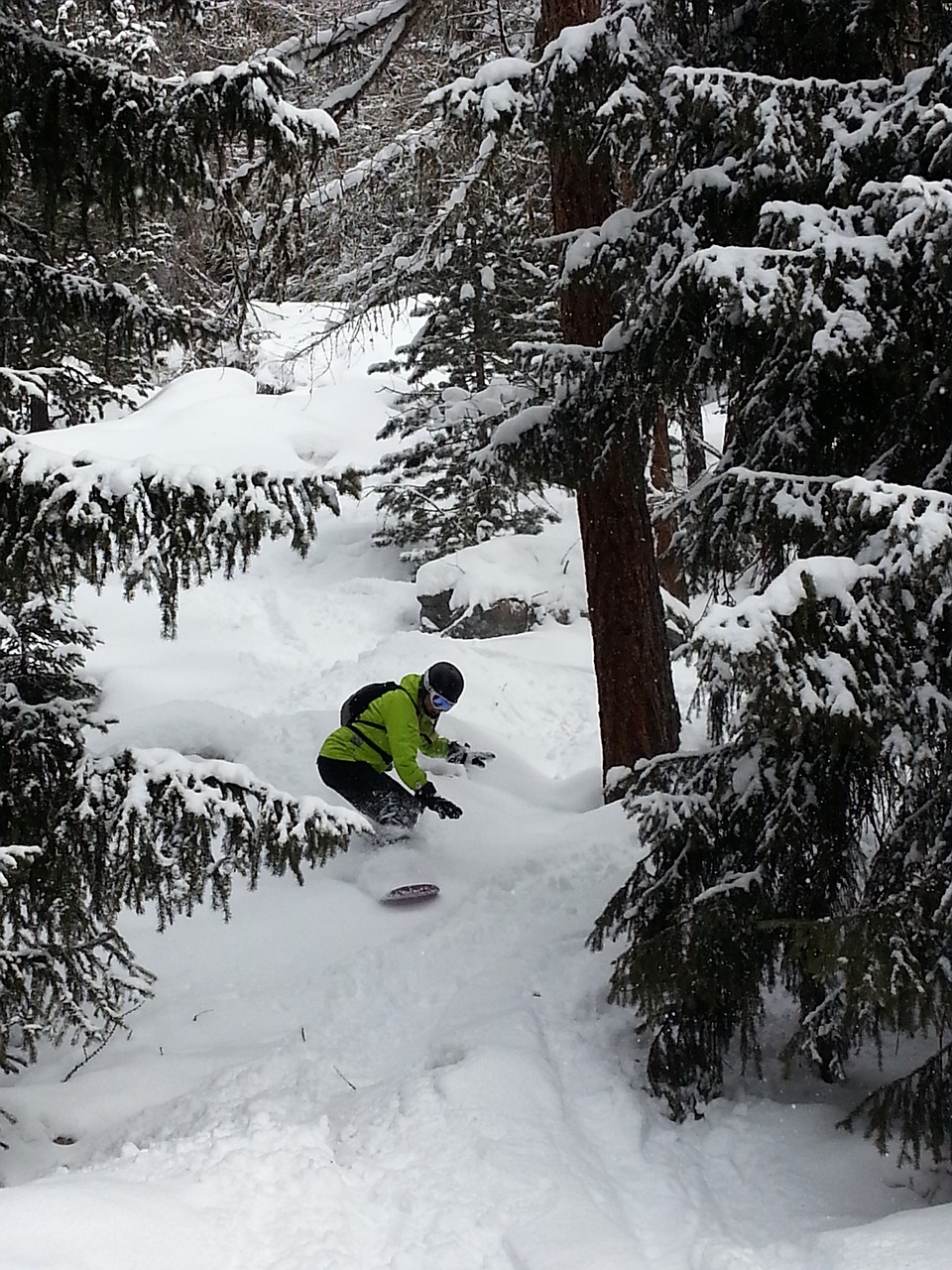
Freeride snowboarding is all about soul. It’s about riding natural terrain, experiencing the mountains, and turning to your heart’s content. Sure, jumps and tricks are still part of the equation, but they aren’t the focus. Freeriders focus on the feeling.
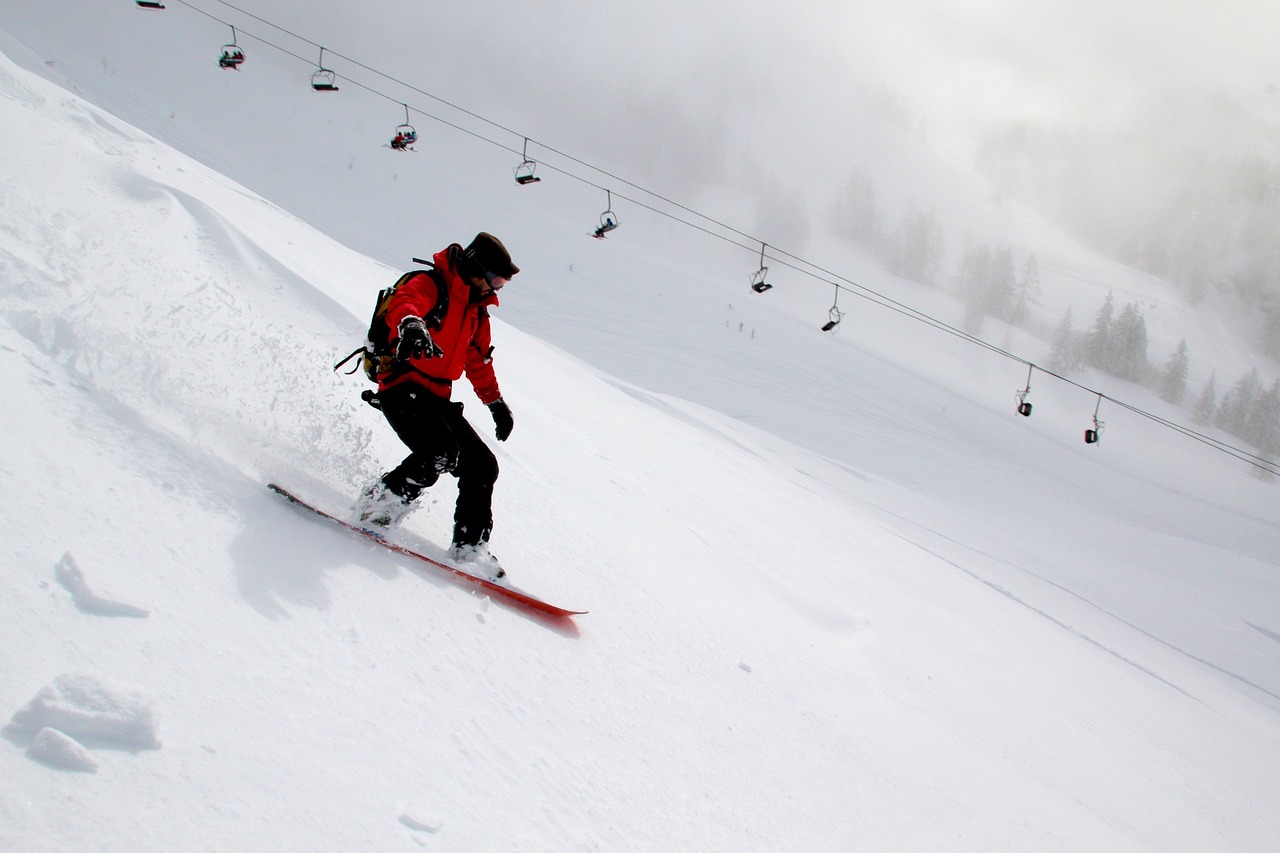
Picture a snowboarder on an open powder field, laying out wide arcs, floating through untouched snow. From there, they enter the glades, explore hidden stashes, and get closer to nature. On the way back to the lift (or snowcat or heli), they pop off hits and layout method airs, feeling the joy that only snowboarding can provide. That’s freeriding.
Snowboarding has origins in surfing, a sport about flowing and turning on the water. In that way, freeriding concentrates on surfing the snow and melding with the mountain. It’s all about the sensations. Steep drops, wide-open groomers, narrow chutes — no matter the terrain, freeriding gives snowboard artists a blank canvas.
Freeride snowboard equipment can handle anything, from deep powder to easy cruisers. Freeride snowboards use a directional shape — with a setback stance, tapered outline, and rockered nose — for float and agility. Medium to stiff flexing boots and bindings enhance response on high-G carves or intense maneuvers. Those combine for racecar-like handling when it gets steep and deep.
What is freestyle snowboarding?
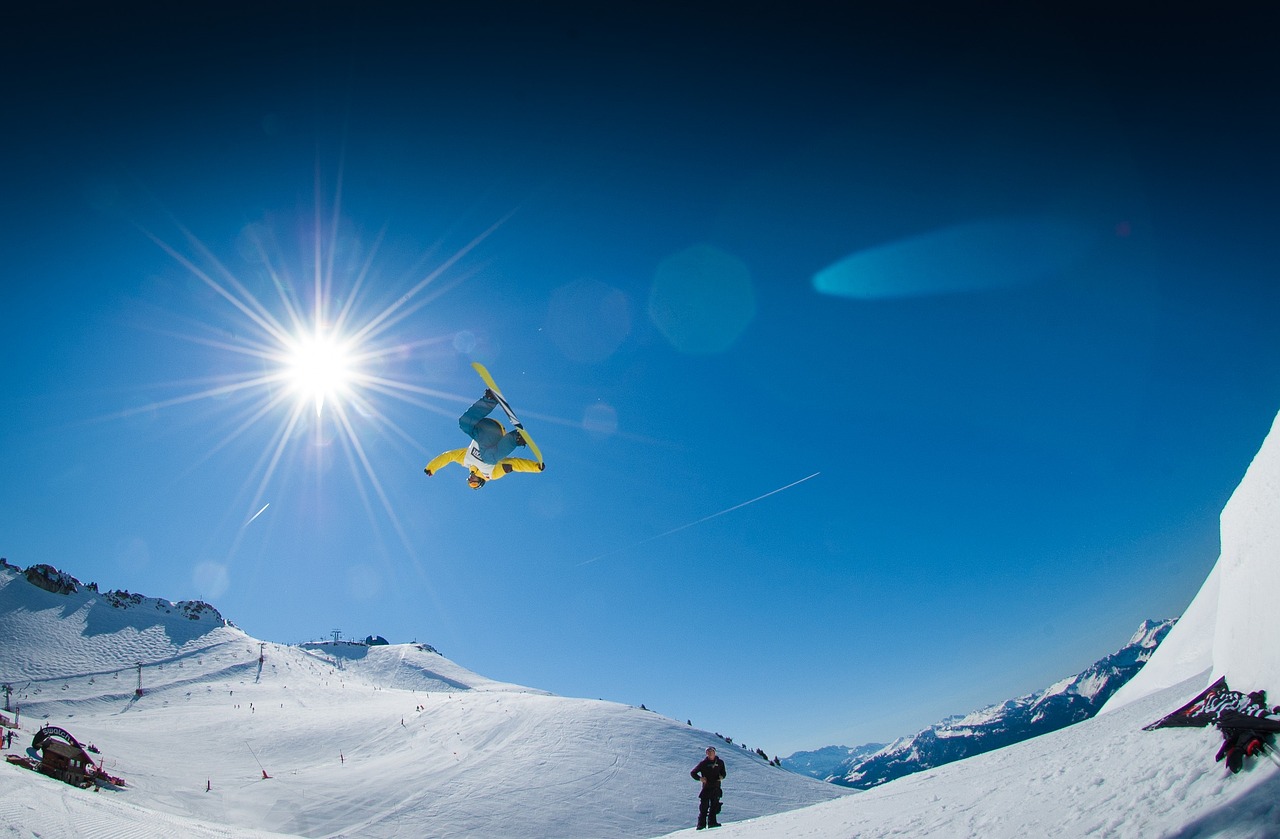
Freestyle snowboarding emphasizes tricks like aerial spins and rail slides. Whether in the park or on natural features, this type of riding is all about play and creativity. And with endless possibilities to create and explore, it’s a category that lets riders let loose and show their personalities. Freestyle’s just fun.
While freestyle riding can happen anywhere, the park is an ideal location. With tailored features and takeoffs, snowboarders can fly higher, spin further, and slide longer. That also provides a perfect practice environment, letting riders master techniques over time.
Typical park features include boxes, rails, jumps, and sometimes, halfpipes. Every park has a unique layout, letting you try new lines and push your limits. One run, you can focus on a series of boxes or rails and the next, try more rotations off a perfect tabletop jump. It’s like an amusement park.
Equipment for freestyle riding usually consists of a twin-tip board and medium to soft flexing boots and bindings. Twin-shaped snowboards offer propeller-like spins and even rail slides for versatile park performance. Mellow-flexing boots/bindings are a little more forgiving when popping, sliding, and spinning.
Snowboarding gives you the freedom to explore. For some, that means hitting the park, learning new tricks, and landing that spin. For others, it’s about riding the whole mountain, from sunrise powder laps to afternoon side hits. One’s no better than the other, and each lets riders express their personalities. You can even blend elements of both from run to run. And that’s what makes snowboarding such a good time.