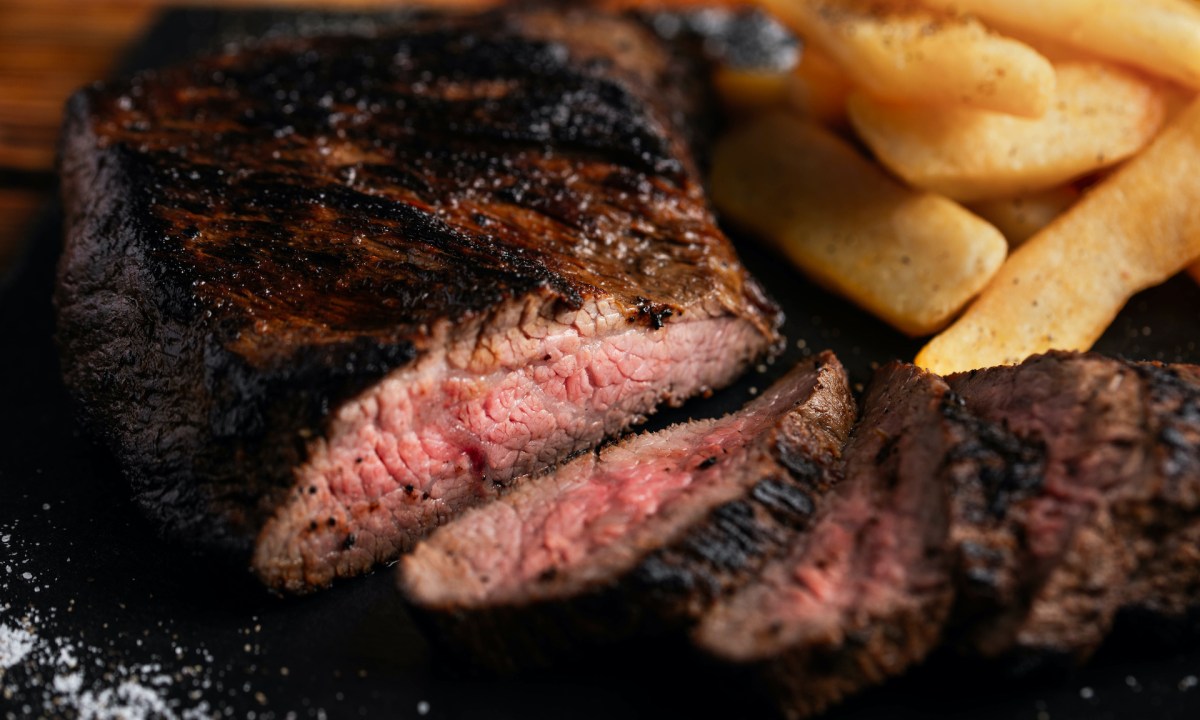
Despite red meat getting some negative attention, it remains a popular dish and is considered a healthy food choice by many because it is a good source of protein.
Many individuals choose to consume red meat in the form of steak. This lean cut of beef is filling and versatile and can accompany vegetable dishes for a balanced meal. Furthermore, steak can be fried and grilled or be the centerpiece of barbecues. Both barbecue and grilling cooking methods are considered best as they help release fat from the meat instead of adding to its fat content.
So, with this in mind, is steak healthy? What are the nutritional benefits of eating steak regularly? What are the nutritional facts of the food? Are there any downsides to adding this meat to your diet? Read on to discover all this and more about the popular food.
Is steak considered healthy?

The debate as to whether red meat is healthy continues to rage on. What is clear is that eating large amounts of red and processed meat products can be detrimental to health and increase the odds of developing heart disease, cancer, and diabetes.
What isn’t clear is the link between eating lean cuts of unprocessed meats, such as steak, and disease. If the steak is organic, then this blurs things further because the beef stock is fed differently and allowed to live naturally, making the meat healthier in nature and free from many chemical additives such as hormones. Therefore, steak or organic beef can be a healthy addition to an individual’s diet.
Benefits of eating steak regularly

Protein content
Lean steak is a high-protein food, and protein is an essential part of the diet. The body uses protein for growth and development to repair and create new cells. Muscle growth and repair also require protein; if you are physically active, more protein is needed for you to see the results you desire.
Iron boost
Steak contains the mineral iron, which is used to create a protein in red blood cells called hemoglobin. This helps to carry oxygen around the body via the bloodstream. Steak contains heme iron, which is easily absorbed by the body and essential for preventing anemia.
Source of vitamin B12
Steak also contains vitamin B12, a nutrient essential for the formation of red blood cells. Healthy levels of this vitamin can prevent certain types of anemia and increase energy levels.
Nutrition facts about steak

Steak is considered a highly nutritious food. On average, a 3-ounce serving of steak contains around 14 grams of fat, 25 grams of protein, and negligible carbohydrates.
A 3-ounce serving of steak also contains 180 to 220 calories, depending on the cut. Lean cuts such as sirloin or filet mignon tend to have fewer calories than fattier cuts like ribeye or T-bone. Cooking methods and additional ingredients can also impact the overall calorie content of steak.
Regarding vitamins and minerals, steak is particularly rich in vitamin B12, zinc, iron, and selenium. These nutrients play important roles in various bodily functions such as energy metabolism, immune system function, and red blood cell production.
Are there any downsides to eating steak?

Although steak contains vitamins, minerals, and protein, it is high in saturated fat and cholesterol, which can contribute to heart disease when overconsumed.
Additionally, certain cuts of steak can be expensive and high in calories due to fat content, which may not be suitable for individuals trying to manage their weight.
Lastly, ethical and environmental concerns related to meat consumption can be considered downsides when including steak in your diet.
Healthier alternatives to try

Healthier alternatives to steak include turkey and turkey steaks, chicken breast fillets, most fish, and plant-based protein such as stir-fried tofu. All of these sources will help contribute to muscle mass as well while minimizing health risks.
Frequently asked questions

Is steak good for weight loss?
Steak can be good for weight loss, especially if you opt for sirloin cuts, as this is lean meat with little fat, meaning fewer calories.
Steak has few to no carbs and a low glycemic index score, meaning it does not cause spikes in blood sugar that require the body to release large amounts of insulin to control. It is also filling, and you will remain fuller for longer and be less likely to snack.
Are steaks junk food?
Although steak contains saturated fat, it is not considered junk food mainly because of its protein, vitamin, and mineral content. What is important is the food that accompanies steak. Pairing steak with healthy foods, such as vegetables rather than fries, enhances the benefits.
Is steak healthier than chicken?
Generally, chicken is considered healthier than steak in terms of lower saturated fat content. Ultimately, the healthiness of steak versus chicken depends on various factors such as the cut of meat, cooking method, and overall dietary choices accompanying chicken and steak-based meals. However, both contain protein and beneficial vitamins and minerals.