1. Home
  2. Travel
  3. Evergreens

Graduate Hotels Offers Plenty of “Back to School” Nostalgia for Travelers

Chalkboards, stodgy university logos, and faded faculty headshots — all hardly the stuff of a chic boutique hotel.

But Graduate Hotels is wringing a healthy dose of nostalgia from the phrase “back to school.” Located in some of the country’s most university-centric small cities, the brand’s boutique hotels are unlike any in the United States. With a focus on local cuisine and beverage and what makes each university unique, the brand elevates collegiate nostalgia to an art form.

Recommended Videos

The world’s largest and most recognized hotel brands — Starwood, Hilton, Marriott — understand that guests want their lodging with plenty of local flavor. But, there’s often a limpness and a disconnect in their execution. Mass-produced, black and white photos of Don Ho on the bedroom walls in Honolulu; a painted triptych of Elvis in the hotel lobby in Memphis; or a Texas Longhorn-inspired cocktail lounge in a hotel outside Houston. These are all enough to show that someone took the time to execute the finer details, but not the passion. The decor often feels researched and shopped from a catalog entitled “Essential Vaguely Local Hotel Artifacts.” Graduate Hotels, on the other hand, is altogether different. The brand pulls clever inspiration for their hotels from the heart of some of the country’s most notable college towns. From Ann Arbor to Athens to Tempe, the rooms, the lobbies, the restaurants all feel distinctly, undeniably local.

Graduate hotel
Image used with permission by copyright holder

The devil is in the — albeit quirky — details. Graduate Ann Arbor, for example, is home to the Allen Rumsey Super Club — a nod to the city’s founders that’s bedecked in tartan carpeting, green pleather club chairs, and a one-of-a-kind retro/industrial neon chandelier perched above it all. Many dishes are prepared table-side and Fish Fry Fridays and an old school Lazy Susan (relishes, pickles, breads and spreads, and Great Lakes catches) are traditional house specialties.

Over every bed at Graduate Charlottesville hangs a wahoo — a fish that can allegedly drink more than its body weight in water. It’s a not-so-subtle tip of the cap to the students’ legendary drinking capacity.

Graduate hotel
Image used with permission by copyright holder

Chalkboards at Georgia’s Graduate Athens are covered in scientific formulas for sweet tea — the state’s most popular beverage. You won’t find that level of detail anywhere near a Holiday Inn.

The micro-hotel chain is currently in Ann Arbor, Michigan; Oxford, Mississippi; Charlottesville, Virginia; Tempe, Arizona; Lincoln, Nebraska; Madison, Wisconsin; and Athens, Georgia. By 2019, new locations are set to open in Berkeley, California; Richmond, Virginia; Minneapolis, Minnesota; Seattle, Washington; Bloomington, Illinois; and Roosevelt Island, New York.

Mike Richard has traveled the world since 2008. He’s kayaked in Antarctica, tracked endangered African wild dogs in South… Read Full Bio
5 Tips If You’re Traveling With Cigars: I Learned No. 2 the Hard Way
Wood, Hardwood, Accessories

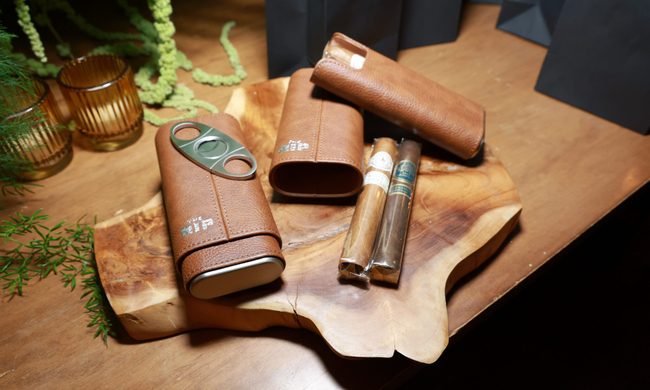
Traveling with cigars can be challenging if you’re not prepared. The lack of preparation can lead to your favorite cigars getting smashed from inadequate storage, or they can peel because they weren’t kept at the proper temperature, among other issues. Sometimes you do all the right things, and still come away shaking your head.

I’ve been smoking cigars for two decades now, and it’s not beneath me to admit that I’ve made plenty of cigar travel mistakes in that span, and as recently as two weeks ago. You live, you learn, and hope you don’t waste a stogie on the next trip. My most recent cigar travel mistake is what inspired me to share these tips. Sure, there are plenty of articles out there offering similar advice. But this list comes from a cigar smoker and writer who has visited six countries and about a dozen states in the last year alone. And in that time, mistakes were made, and lessons were learned.

Read more
The art of adventure packing: packing light but effective
Clothing, Coat, Jacket

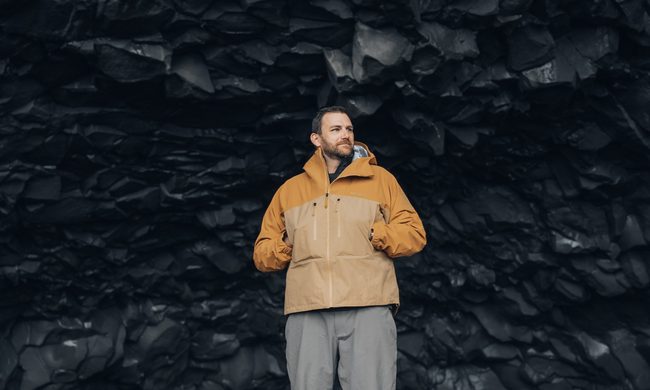
If you are like me, you grew up with stories of adventure. Whether you were fans of fictional adventure like Indiana Jones and Alan Quartermain, or you loved the true-life accounts of Ernest Shackleton and David Livingstone, there is a deep pull to venture into the unknown. The desire to abandon the Mon-Fri 9-5 in search of something deeper. You could spend your time thinking about hopping a boat and sailing the seven seas like the pirates of old. You could look up at the elusive peak of a mountain and believe it begs to be summited. You could stare into the depths of a jungle and wonder what treasures it hides beneath its canopy. No matter what kind of adventurer you are, you need to be prepared for whatever the world throws at you. I have climbed Salkantay Peak and explored the jungles of Peru. I have scanned the plains of Africa in search of a giant cat (the prospect of which was much more comforting than the actual sighting and wondering if I was far enough away). And I have disappeared into the secluded areas of Svalbard. One thing that remained constant was the need for the right pack.

Here is what I learned when packing for my adventures.

Read more
Savannah Beyond the Postcard
Architecture, Building, Spire

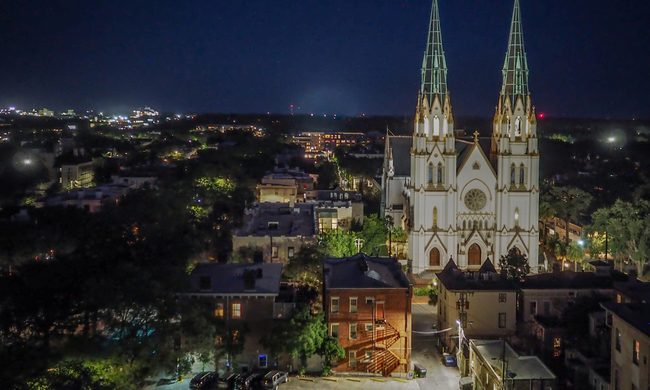
Savannah is one of those cities that seems almost too easy to like. The live oaks are dramatic. The Spanish moss does exactly what it is supposed to do. The brick sidewalks buckle in all the right places. The houses look like they were designed by people who understood proportion, shade, and the value of a proper front step. Even the light seems to arrive with better manners than it does in most places.

I have a built-in advantage when it comes to Savannah. We have family there, so we have been back several times, not just once for the checklist version of the city. I have also done a photography workshop there, which is a terrific way to learn any city. You get up early, stay out late, and pay attention to alleys, doorways, ironwork, reflections, and the way a city changes when the tourists are still asleep.

Read more