There’s only one thing in the world that loves tobacco more than we do: bugs. The Lasioderma Serricorne more commonly called the cigar beetle is a type of small insect that feeds on dried goods, mostly plants and leaves. The names cigar beetle, cigarette beetle, or tobacco beetle are actually misnomers. These bugs eat and infest a wide variety of dried goods, not just tobacco, including rice, wheat, cereals, dried fruits, herbs, flour, and some animal products.
If you’re just getting started in the world of cigars, or if you’ve never encountered a cigar beetle story before, it can be pretty scary. The thought of an infestation of gross bugs tearing through your cigar collection unfettered is, well, let’s say it gives even me the shivers. Pull up a chair, light a stogie, pour a drink — if you haven’t already — and let’s talk this over.
What are cigar beetles?

Cigar beetles, as the name describes, are small beetles that are attracted to dry tobacco leaves. The larvae can hatch under the right temperatures and humidity — high temps and high humidity — and then spread, infesting entire collections. While it may not necessarily be true, you should assume that all cigars, from cheap to expensive, have larvae. They won’t hatch or cause problems unless the temperatures or humidity gets too high in your humidor. A really bad infestation can take days to under a week to destroy an entire collection of hundreds, if not thousands, of cigars.
They are most commonly found on untreated cigars, so your fakes, poorly rolled variants, and so on. While many of today’s cigar manufacturers use measures to prevent their spread, and retailers too, there’s always the chance that some may be let loose in your humidor. Manufacturers and retailers alike may chill or freeze cigar batches before shipping them out to consumers, which helps kill or eliminate beetles and larvae.
Where do they come from?
Cigar beetle larvae can come from any and all forms of dry tobacco, including rolled cigars. In fact, the larvae are probably on most of your cigars already. During the fumigation or freezing process, they are eliminated. Today, they’re not as common because, again, manufacturers and retailers freeze or chill cigars to prevent their spread. If you could see the size of retail warehouses, you’d get it instantly. There are basically shelves upon shelves with millions of cigars inside. A beetle infestation would be devastating.
If any beetles are left behind, and your humidor temperatures go above 72 degrees Fahrenheit and the humidity rises above 72 RH, or the cigars are exposed to those conditions, the larvae can hatch. Prolonged periods are the worst. It’s not likely to happen if there’s a quick surge or two, but it’s still a good idea to keep an eye on your cigar collection just in case.
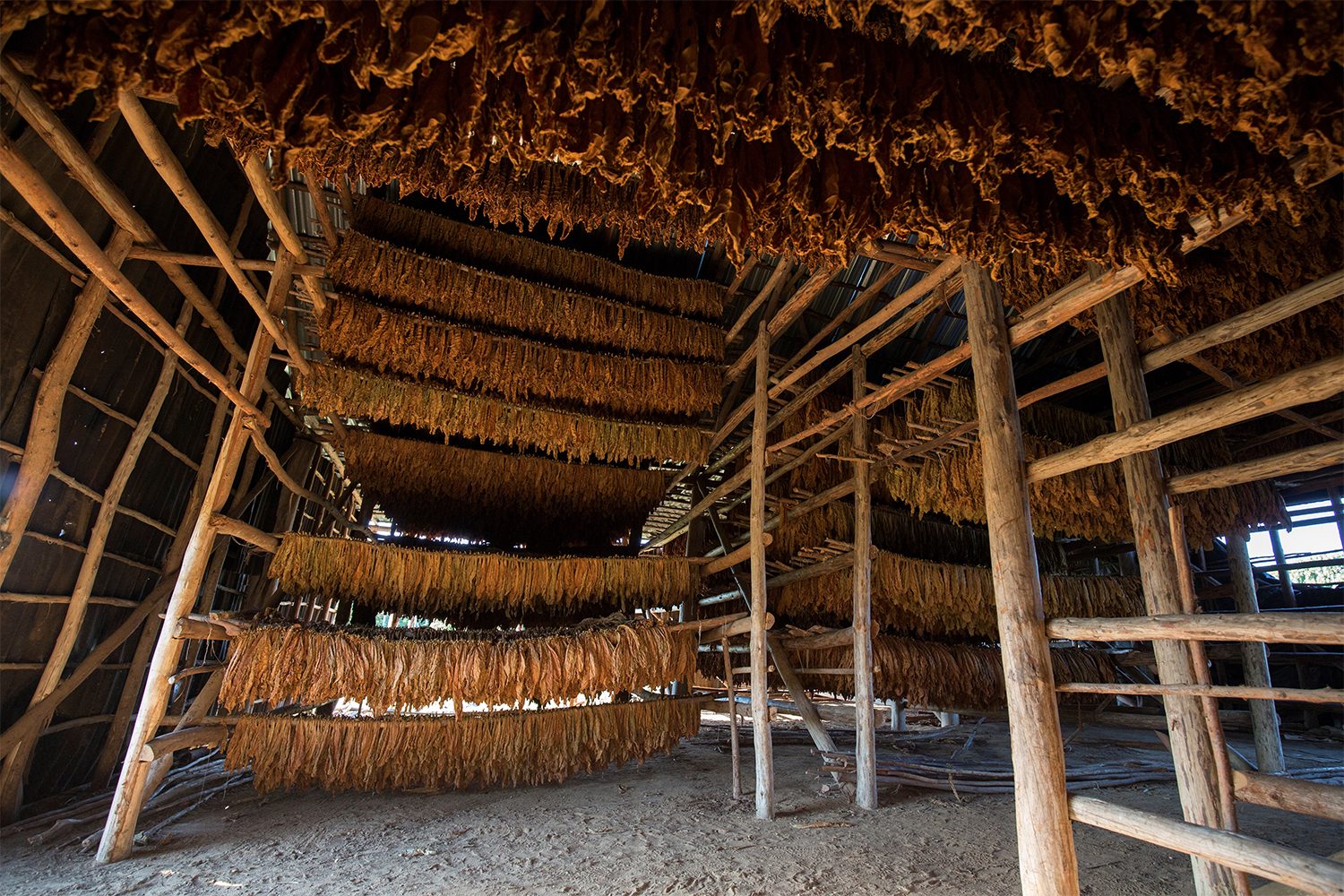
The beetles are natural, they come from mother nature, and they attach to drying tobacco leaves during the cultivation process. Prevention is the best deterrent.
How do you spot a cigar beetle problem?
The beetles eat the tobacco, so you’ll see small pin-sized holes bored through the cigars if there’s an infestation. Because they eat the tobacco and have waste, you’ll also see residue or dust called cigar dust. So, if you see holes or dust, it’s time to take action. The sooner, the better.
The good news is that it’s fairly easy to stop a beetle outbreak if you catch it early.
How to kill the beetles and stop the spread
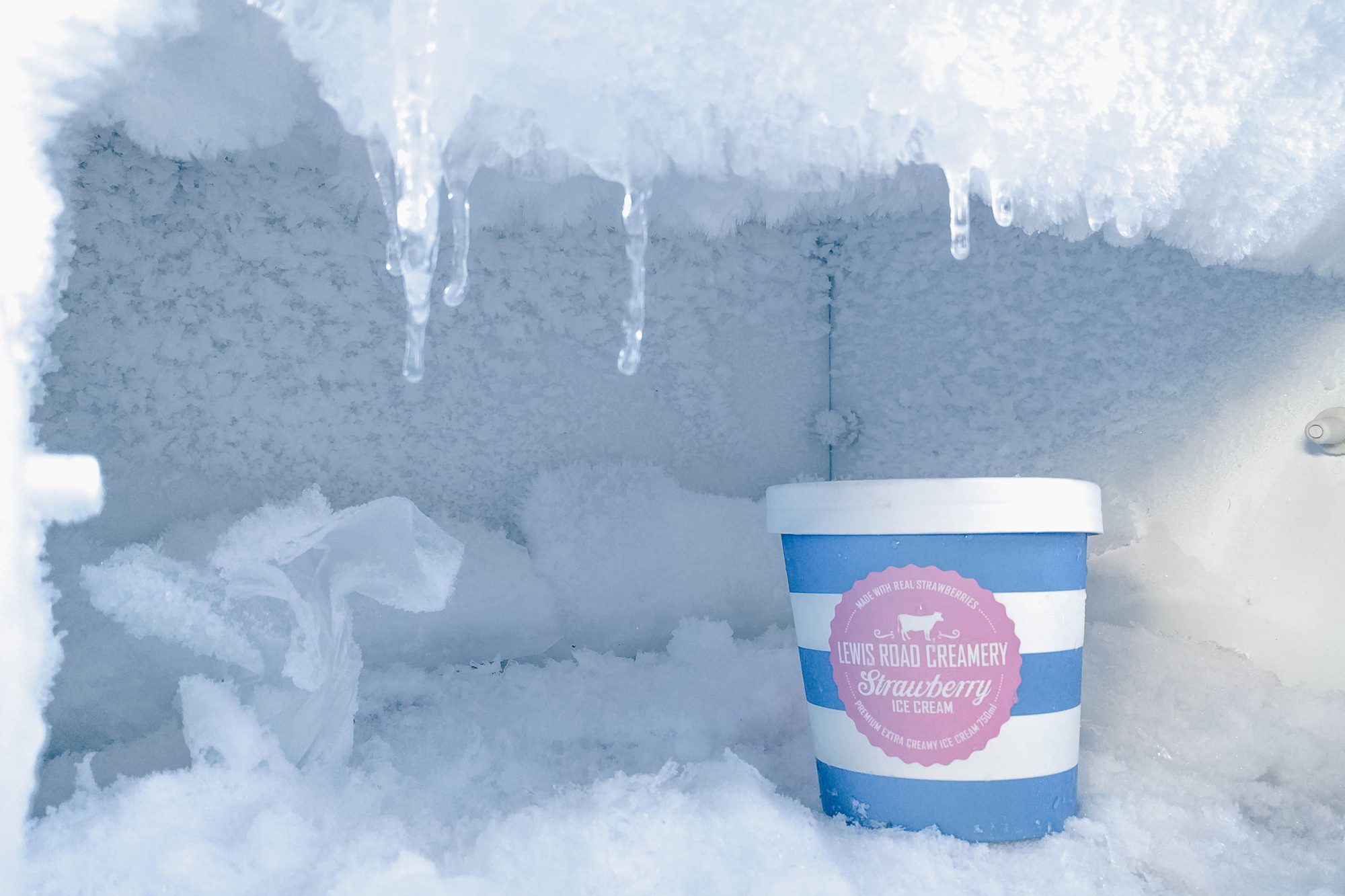
Cold is the answer. Cold kills larvae and it kills beetles, as well.
Go through your cigar collection and throw out any that have holes or show signs of damage. They’re a lost cause. Technically, you can smoke cigars with beetles in them, but it’s not going to be enjoyable.
For the rest of your cigars — with no damage — what you want to do is wrap them in a ziploc bag and put them directly in the freezer. Some recommend putting them in the refrigerator first, but we want to kill the beetles fast. Leave the cigars in the freezer for about three days. Afterward, take them out and move them to the refrigerator for a day. That is so you don’t shock the cigars by putting them back into regular temperatures — the wrappers and tobacco will crack and fall apart if you don’t acclimate them first.
While your cigars are in the freezer, wipe down your humidor with a damp cloth. Use distilled water, as you would normally, and avoid any disinfectants or chemicals. Clean up cigar dust if there is any, and try to remove any debris you find.
When you’re ready, pull the treated cigars from the refrigerator and introduce them back into your humidor.
How to prevent cigar beetles
Here are some additional tips for keeping your cigar collection safe from beetle infestations:
- Never introduce cellophane-free cigars to your humidor that don’t come from reputable sources.
- If you don’t trust the cigar, freeze it first.
- Keep the cellophane on your cigars.
- Monitor your humidor regularly to ensure the correct humidity and temps.
- Watch for signs of beetle damage. You’ll know it when you see it.
- Keep your humidity below 72 RH — I usually recommend keeping it below 70 RH.
- Don’t let temperatures in your humidor go above 72 degrees.