1. Home
  2. Travel
  3. Evergreens

Beware the Filthiest Things in Your Hotel Room (According to Science)

“Don’t put your hands where you wouldn’t put your face.”

Words to live by. Labs, hospitals, and other facilities who care about filth measure levels of cleanliness according to CFU (colony-forming units) levels of bacteria. A “hospital clean environment” allows a maximum of just 5 CFU per square centimeter. Hotels are expected, and often promise, to maintain that same level of sanitation. But, evidence suggests that in practice, this is far from true. Here are the filthiest things and surfaces in your hotel room according to science (hint: the toilet hardly makes the list).

Recommended Videos

Housekeeping Carts

Stock-Housekeeping-Cart

Not surprisingly, housekeeping carts are hands-down the nastiest items in any hotel. Testing from the American Society of Microbiology reveals that mops and sponges routinely top out north of 500 CFU (including fecal bacteria). While most guests don’t plan to stick their hands or faces anywhere near these carts, the risk for cross-contamination between rooms is huge. Hidden videos have circled the web for years revealing housekeeping staff using the same sponges to, for example, clean the toilet, the sink, and the minibar glasses. Suddenly, that $16 Jack and Coke you just poured doesn’t sound so refreshing.

Light and Lamp Switches

Light and lamp switches are the two things that every single hotel guest is guaranteed to touch at least once during their stay. So, it’s no surprise they’re among the dirtiest in-room surfaces. CFU levels — including fecal bacteria — top out north of 100. Again, aside from five-star hotels, these just aren’t on the housekeepers’ list of mandatory items to clean.

Remote Controls

Most guests handle TV and other remotes at least once during their stay. Couple that with the fact that they’re never cleaned, and you have the perfect breeding ground for bacteria. The study notes an average of 67.6 CFU of bacteria on the remotes they tested. Thankfully, some hotels now carry Clean Remotes which can easily be sprayed and wiped down.

Everything Else

Stock-Hotel-Houskeeping-Maids
Image used with permission by copyright holder

In this long Quora thread, hotel employees share unnerving anecdotes about what goes on behind the scenes at many hotels. Throw pillows are never washed, and most comforters and blankets are laundered just once per season (or when someone wets the bed). Drinking glasses are rarely cleaned beyond a cursory sink rinse and quick toweling off. One final tip: if you’re overnighting at any hotel in the days following Valentine’s Day, we highly recommend disinfecting everything. Or, better yet, just stay home.

While these anecdotes are hardly scientific, they’re worth keeping in mind the next time you decide to face-plant into that “nice, clean” hotel bed. If it’s any consolation, your house is probably almost as filthy.

Mike Richard has traveled the world since 2008. He’s kayaked in Antarctica, tracked endangered African wild dogs in South… Read Full Bio
5 Tips If You’re Traveling With Cigars: I Learned No. 2 the Hard Way
Wood, Hardwood, Accessories

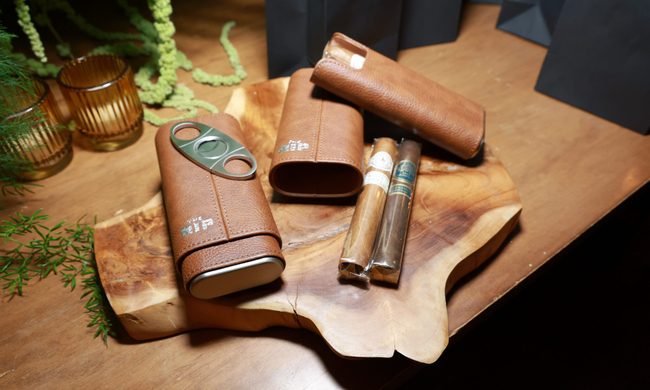
Traveling with cigars can be challenging if you’re not prepared. The lack of preparation can lead to your favorite cigars getting smashed from inadequate storage, or they can peel because they weren’t kept at the proper temperature, among other issues. Sometimes you do all the right things, and still come away shaking your head.

I’ve been smoking cigars for two decades now, and it’s not beneath me to admit that I’ve made plenty of cigar travel mistakes in that span, and as recently as two weeks ago. You live, you learn, and hope you don’t waste a stogie on the next trip. My most recent cigar travel mistake is what inspired me to share these tips. Sure, there are plenty of articles out there offering similar advice. But this list comes from a cigar smoker and writer who has visited six countries and about a dozen states in the last year alone. And in that time, mistakes were made, and lessons were learned.

Read more
The art of adventure packing: packing light but effective
Clothing, Coat, Jacket

If you are like me, you grew up with stories of adventure. Whether you were fans of fictional adventure like Indiana Jones and Alan Quartermain, or you loved the true-life accounts of Ernest Shackleton and David Livingstone, there is a deep pull to venture into the unknown. The desire to abandon the Mon-Fri 9-5 in search of something deeper. You could spend your time thinking about hopping a boat and sailing the seven seas like the pirates of old. You could look up at the elusive peak of a mountain and believe it begs to be summited. You could stare into the depths of a jungle and wonder what treasures it hides beneath its canopy. No matter what kind of adventurer you are, you need to be prepared for whatever the world throws at you. I have climbed Salkantay Peak and explored the jungles of Peru. I have scanned the plains of Africa in search of a giant cat (the prospect of which was much more comforting than the actual sighting and wondering if I was far enough away). And I have disappeared into the secluded areas of Svalbard. One thing that remained constant was the need for the right pack.

Here is what I learned when packing for my adventures.

Read more
Savannah Beyond the Postcard
Architecture, Building, Spire

Savannah is one of those cities that seems almost too easy to like. The live oaks are dramatic. The Spanish moss does exactly what it is supposed to do. The brick sidewalks buckle in all the right places. The houses look like they were designed by people who understood proportion, shade, and the value of a proper front step. Even the light seems to arrive with better manners than it does in most places.

I have a built-in advantage when it comes to Savannah. We have family there, so we have been back several times, not just once for the checklist version of the city. I have also done a photography workshop there, which is a terrific way to learn any city. You get up early, stay out late, and pay attention to alleys, doorways, ironwork, reflections, and the way a city changes when the tourists are still asleep.

Read more