Making your morning cup of joe was once a simple process, requiring no more thought than grinding your coffee beans and adding water to your coffee maker. While there’s something to be said for simplicity, many coffee drinkers today are finding new ways to optimize their morning brew with added health benefits. Options such as functional coffee or even adding cinnamon to coffee can level up your brew, but have you tried adding ginger?
Ginger in coffee isn’t the first mix-in that comes to mind when I think of what to add to my coffee, yet it can provide a ton of health benefits and add a slightly spicy kick. Here’s what to know about putting ginger in coffee and how to incorporate it into your coffee routine.
Should you add ginger to coffee?
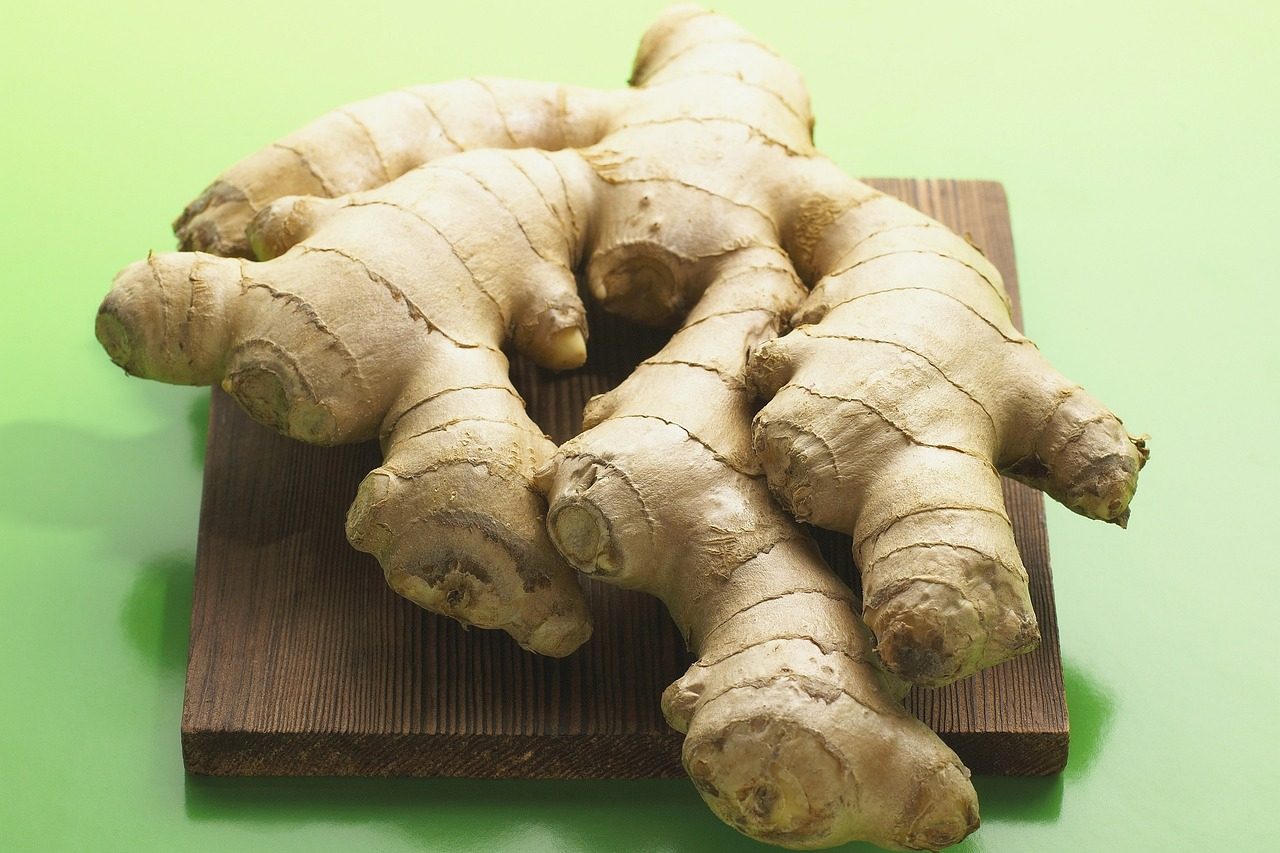
“Ginger provides antioxidants to help repair damage in the body, can reduce inflammation, and may support digestion, nausea, and heartburn. While a small amount perks up your coffee, too much can overpower the flavor or even upset your stomach,” says Kaytee Hadley, MS, RDN, IFMCP, Functional Medicine dietitian and founder of Holistic Health and Wellness.
Many people also use ginger to support weight loss, as it contains compounds known as gingerols and shogaols, which can create an antioxidant effect in the body that reduces free radical damage.
“Free radical damage leads to an increase in oxidative stress that can both cause and exacerbate obesity. This damage occurs at a cellular level, and once those damaged cells replicate, the body’s natural processes that maintain homeostasis can become disrupted, leading to decreased metabolism, energy, and more,” says Trista Best is a Registered Dietitian at The Candida Diet.
Drawbacks
While adding ginger to coffee can be a quick hack to give your cup of coffee an extra health boost, there are some drawbacks to consider before you try it.
- Those with sensitive stomachs may find ginger to cause digestive irritation in higher amounts, so start slowly and gradually increase how much of ginger you add to each cup.
- For some people who are sensitive to acidity, coffee’s natural acidity combined with ginger can be overpowering for the digestive system.
- The strong flavor of ginger can also be too much for some people to tolerate, causing them to add excess sugar to their cup of coffee to offset the taste. In these cases, the benefits of adding ginger to coffee generally aren’t worthwhile, as the effects of adding more sugar are worse. Combining ginger with other mix-ins like cinnamon, turmeric, or lemon could help mask the taste and make it more tolerable (for me, adding a touch of liquid stevia helps too).
How to add ginger to coffee

“Studies on ginger for inflammation or digestion often use up to two grams per day, but this amount is unrealistic to add to your coffee without overwhelming the flavor of the drink,” says Hadley.
Instead, she recommends coffee drinkers add ¼ to ½ teaspoon of ground or fresh grated ginger per cup of coffee to give flavor and an antioxidant boost without taking over its flavor. After all, the health benefits are only reasonable if you can still enjoy your cup of coffee. Adding too much of any mix-in, including ginger, can overpower the taste of your coffee and make the experience unenjoyable (something we never want to associate with drinking a cup of coffee).
“Adding ginger to your coffee is a great way to get in antioxidants and boost your overall health. It is an easy addition to your current health regimen and daily routine, without losing the flavor and warmth of other hot beverages you’d be enjoying otherwise,” says Best. If you’re not a coffee drinker or are looking to cut back on your coffee consumption, ginger tea is another great option to take advantage of the same health benefits.
Another way to consider using ginger in coffee is to use crystallized ginger or ginger honey crystals for a sweeter taste. Personally, I find ginger in coffee to be more tolerable in this form (ideal if you’re adjusting to that slightly spicy taste that adding ginger to coffee can cause). If using ground ginger or fresh grated ginger, start with a very small amount to see if you can tolerate the taste before adding more.
Combining ginger with turmeric in coffee
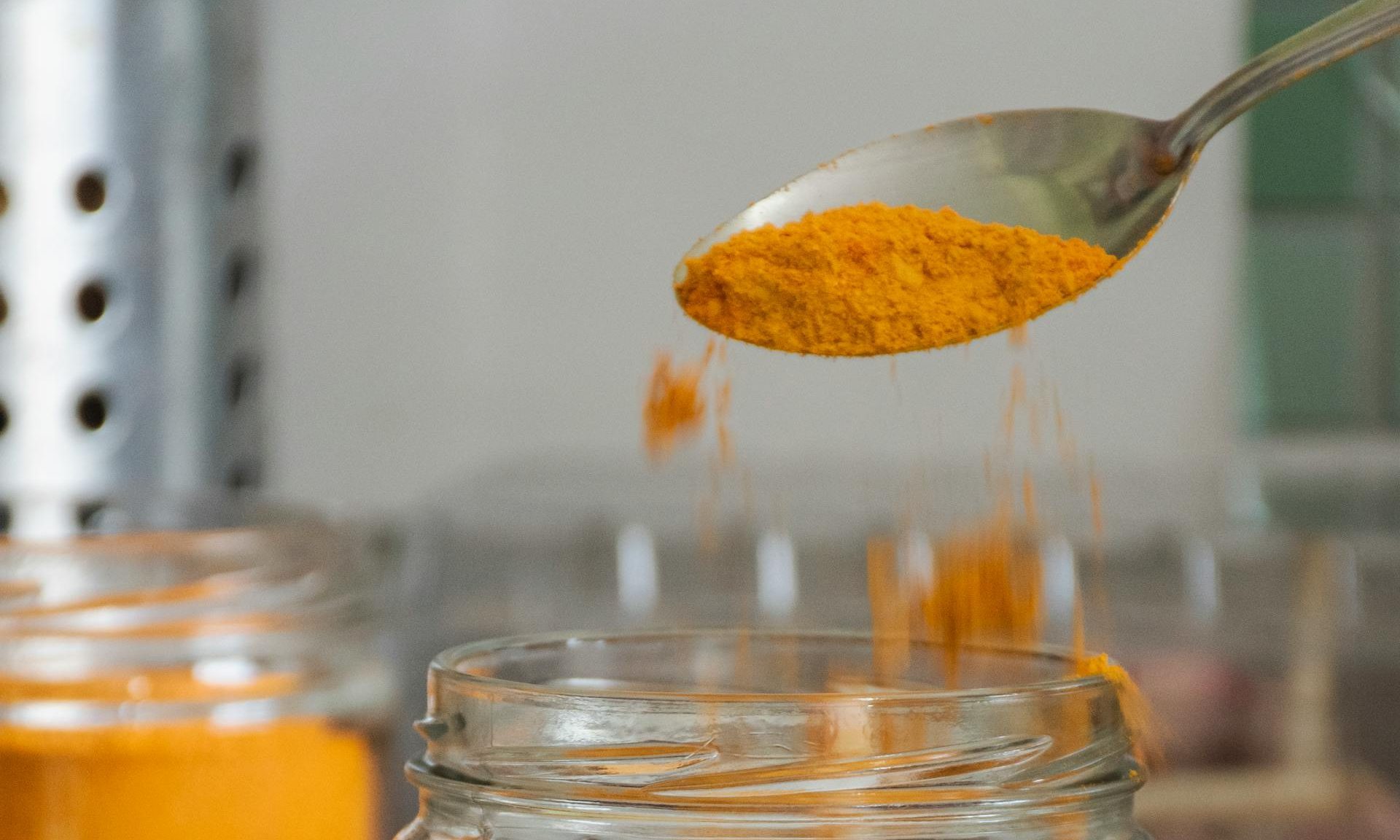
Ginger and turmeric are often paired together for their powerful health effects, posing the question of whether you should combine these two spices in your coffee.
“Ginger and turmeric taste great together and have complementary, anti-inflammatory compounds, but you don’t need both to get the benefit of each one,” says Hadley. “Similar to ginger, the therapeutic dose of turmeric is likely higher than what you want to add to coffee, but a small pinch still adds flavor and phytonutrients. Some coffee shops like Klatch Coffee even offer ginger and turmeric in coffee in their cafes, such as in their Golden Latte.