1. Home
  2. Food & Drink
  3. Evergreens

French roast coffee explained: What makes it so bold and dark?

French roast coffee: Bold, dark, and rich

coffee bean
Lukas / Pexels

The term “French Roast” first began in the 19th and early 20th centuries, in reference to the flavor preferences of French coffee drinkers. At the time, bold, ultra-dark roasted coffee was especially popular in French cafés. This term often confuses coffee drinkers who mistakenly believe it refers to the coffee’s origin. Here’s what the term ‘French Roast’ coffee really means when shopping for coffee and what contributes to the bold and dark flavor of this unique coffee roast.

What is French Roast coffee?
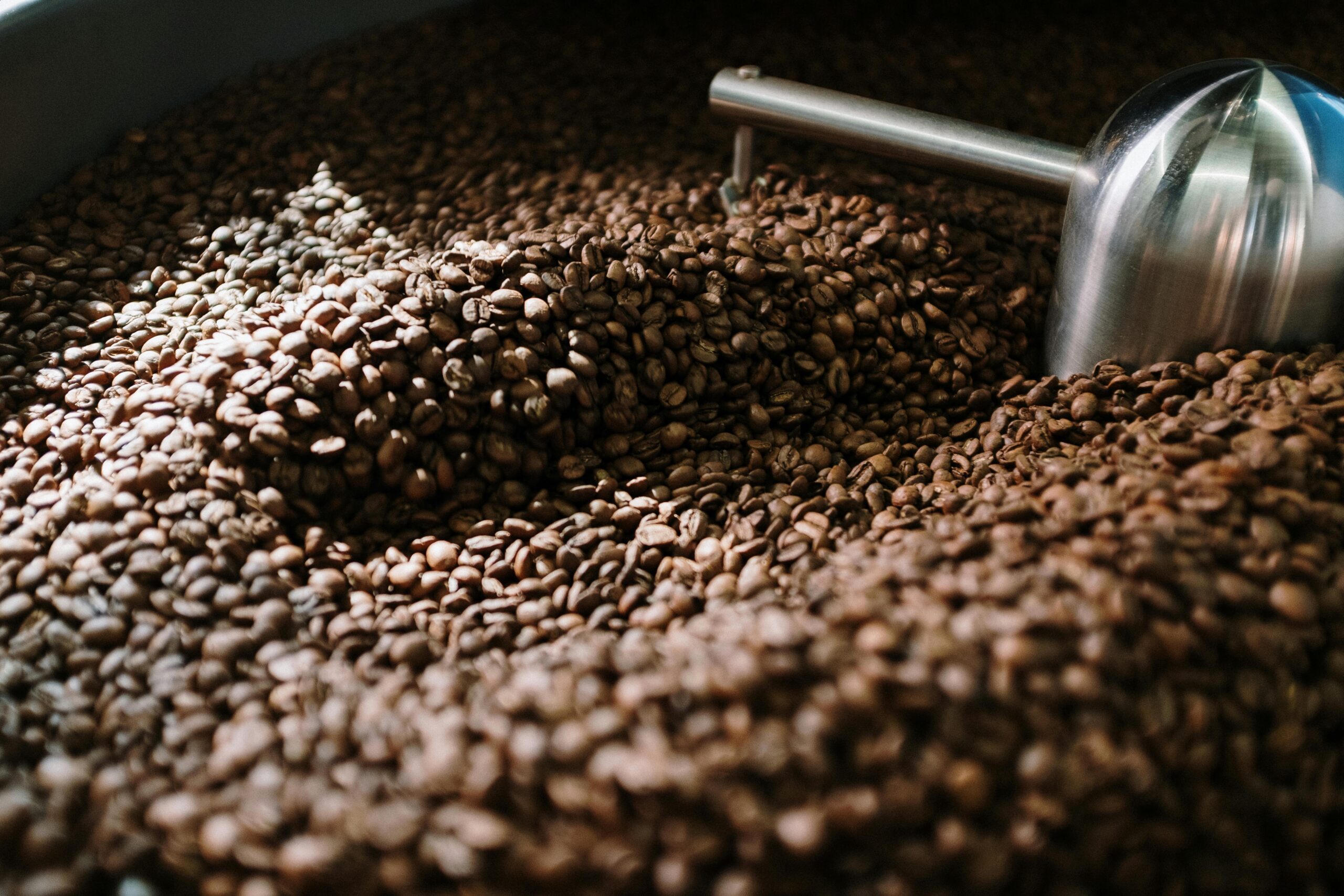
“French roast” is a colloquial term dating back to the 1800s that has historically described a very darkly roasted coffee, says Colby Barr, founder and CEO of Verve Coffee Roasters. “The goal of the roasting process is to help shape the end flavor of the coffee with heat. Lighter-roasted coffees are going to be brighter and fruitier, while dark-roasted coffees will impart more flavors from the roasting process itself. These characteristics will typically include a heavier body, bittersweet chocolate, caramelized sugars, and, you guessed it, roast. With darker-roasted coffees, the flavors and characteristics are more about the roasting process than the coffee’s natural characteristics, though it of course plays a role,” says Barr.

Recommended Videos

Classic roast coffee is generally considered a medium roast, while French Roast refers to a dark roast. However, Barr warns that both of these terms are subjective. “What might be classic to one person may be dark to another, and one person’s French roast might be a medium/classic roast to another. Confused? Wait until we talk about espresso…,” warns Barr. These terms can make shopping for French Roast coffee a bit tricky, as other terms like Italian or Espresso Roast are often used on coffee packaging. It’s always a good idea to check with specific coffee roasters to see what these terms mean to them (especially if you’re shopping for the darkest roast possible).

What makes French Roast coffee different?
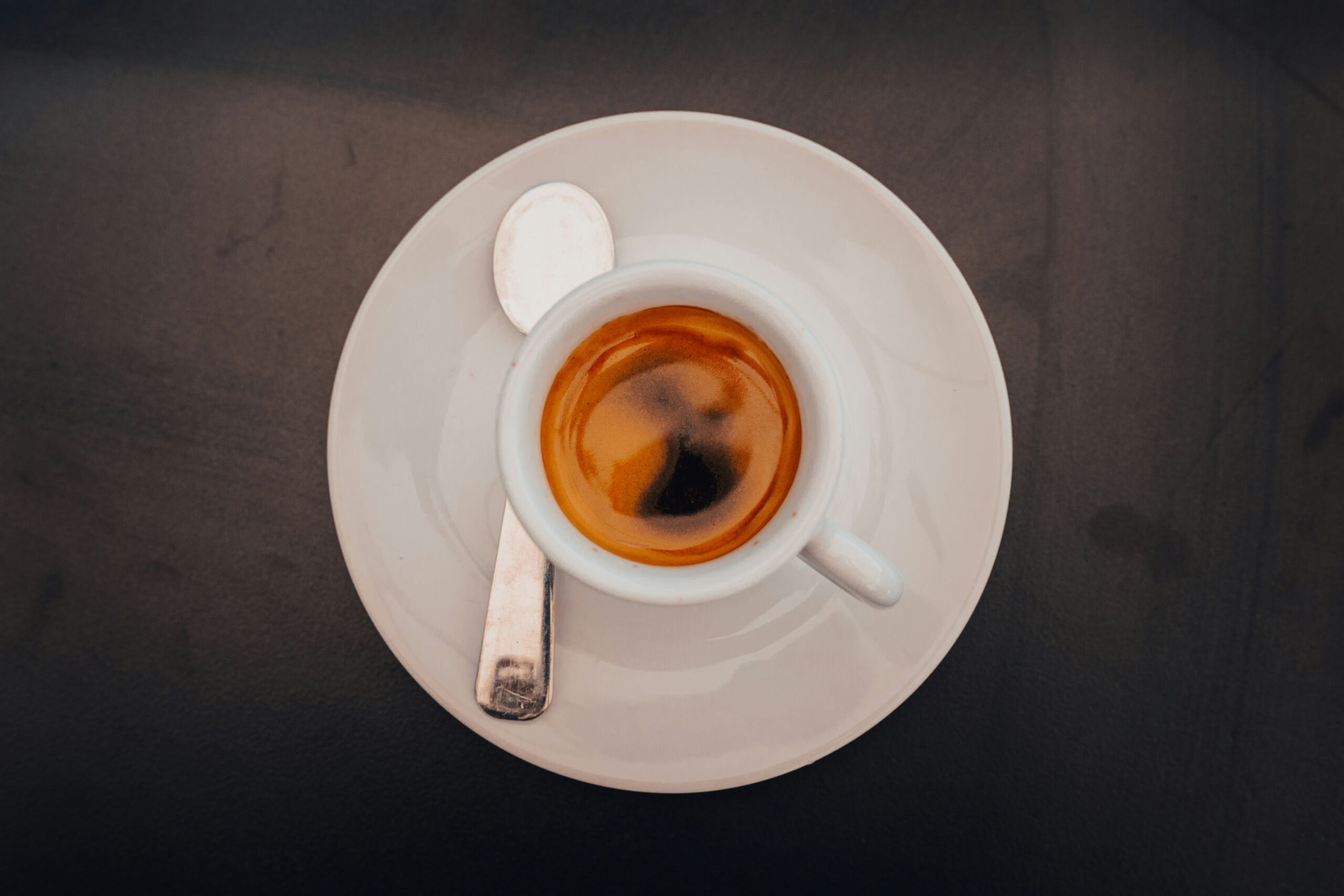
According to Barr, body and sweetness are the most desirable qualities of dark-roasted coffees. “The trick is in the balance and definition of the roast. At Verve, our darkest coffee is our Bronson Blend. It is our take on a French roast, but it is much lighter than mass-market French roasts,” he shares.

“Since all you will taste with those coffees is roast and not the coffee itself, many mass market French roasts are using very cheap, low quality, commercial coffee, and roasted so dark that they are covered in oils, which is a clear sign the coffee is too dark and likely burnt. These exposed, aromatic compounds both accelerate aging, increase staleness, and make a massive mess in your brewing equipment. When roasting our Bronson Blend, we aim to develop caramelized sugars from the roasting process while still showcasing the varietal integrity of the coffees we meticulously source,” he shares.

What does French Roast coffee taste like?

French roast coffee has a highly bold, dark, and rich flavor with a slightly smoky flavor. It’s certainly not the type of coffee you’d give to someone who’s never drank a cup of coffee in their life. The dark, bold flavor of a French Roast coffee is almost an acquired taste (which I personally love). The heavy roasting process also makes this roast an excellent option for low-acid coffee for those who find lighter-roast coffees too acidic (and irritating to their stomachs).

Emily Caldwell
Emily is a Features Writer at The Manual, where she specializes in food, beverage, and travel content. She focuses on weaving…
Ascênda is the tequila brand that’s betting on transparency, not celebrities
How Ascênda's founders built a premium sipping tequila and a clean canned drink from the same tequila, and why that should matter
Clothing, Shirt, Adult

Walk down the canned-cocktail aisle at just about any grocery or liquor store right now, and the amount of new drinks popping up is pretty mind-blowing. The ready-to-drink (RTD) category has exploded over the last few years, and tequila sodas, in particular, have become the default for a younger generation that wants something lower in calories and cleaner-ingredient options. But there's an uncomfortable secret behind a lot of those shiny cans. The words “made with real tequila” often mean almost nothing. In many cases, only 51% of the alcohol inside is actually tequila; the rest could be other types of alcohol and additives you wouldn’t expect. This has been the game plan manufacturers have used for decades, and the plan Ascênda was created to close.

Ascênda, whose name means “to rise,” is the work of two founders, Mark Bland and Nicholas Soglanich (Nic), who looked at that crowded shelf and saw an opportunity rather than another trend to chase. Their pitch is refreshingly simple: a ready-to-drink tequila soda made with tequila good enough to sip on its own, and water good enough to sell on its own at any Whole Foods or high-end grocery store—no malt liquor (yes, really), sugar, and no artificial flavors, no mystery. You get 100% blue agave tequila, sparkling high-pH water sourced from the highlands of Jalisco, and a deliberate blend of electrolytes, magnesium, potassium, and sodium that the founders chose because they're the same minerals a lot of us already reach for during the day.

Read more
Dinner at Benoit is like a Graduate Course on Classical French Cuisine
At Alain Ducasse's Benoit, a century of Parisian tradition lives on in Midtown Manhattan.
Food, Food Presentation, Meal

Classical French cuisine is the culinary equivalent of the Western canon: an ancient and ever-fertile tradition that shaped—and continues to shape—everything that came later. Just as old books provide a deeper understanding of modern civilization, old-guard French restaurants deepen one's understanding of modern gastronomy.

Benoit, a bistro in Midtown Manhattan, is like a graduate seminar on the history of French cooking. The original Benoit has been a Parisian landmark since 1912, one of the French capital's most venerated bistros de tradition. After stewarding the restaurant for generations, the Petit family entrusted it to chef Alain Ducasse in 2005. Since then, Ducasse has opened sister restaurants in Tokyo, New York, and Kyoto.

Read more
Whiskey JYPSI is releasing a whiskey made in partnership with Gibson Guitars
Guitar lovers and whiskey fans have a new expression to try
JYPSI

Fans of classic guitars and well-made whiskey will be excited to learn about the newest release from Whiskey JYPSI. The popular brand collaborated with Gibson Guitars to launch a limited-edition expression finished in wood most often used to craft guitars.

JYPSI Tonewood

Read more