There’s a chance that your only experience with tequila is drinking it in shot form paired with salt and lime during your collegiate years. But if that’s your limit with tequila, you’re really missing out on some spectacular expressions. Sure, bargain-priced Blanco tequila is great for shots and mixing into Margaritas and other cocktails, but it isn’t the only type of tequila, and the other varieties are much more complex and nuanced. If you’re looking for a tequila to sip neat, you’re going to opt for some of the aged versions.
Besides Blanco, there are various other levels of tequila. These include cristalino, joven, reposado, añejo, and extra añejo. And, while there are uses for all the different types of tequila, if I were going to select a bottle of tequila to drink neat or on the rocks, I’d grab a bottle of añejo and extra añejo.
This brings us to one important question: what bottle of añejo or extra añejo tequila should you add to your home bar cart for Cinco de Mayo and beyond?
What are añejo and extra añejo tequilas?

Before I tell you about my picks for the bottles of añejo and extra añejo tequila you need to stock in your home bar, it’s important to give a little background on these two designations. For those new to tequila, añejo refers to a tequila that is aged between one and three years. Extra añejo, on the other hand, is matured for more than three years.
Both of these tequila types are well-suited for slow sipping neat. Like a well-made whiskey, añejo and extra añejo tequilas are imparted with a variety of flavors from the aging process. These include notes of pipe tobacco, charred oak, toasted vanilla beans, caramelized sugar, dried fruits, and baking spices, along with the vegetal sweetness of roasted agave.
How do I pick my tequilas?
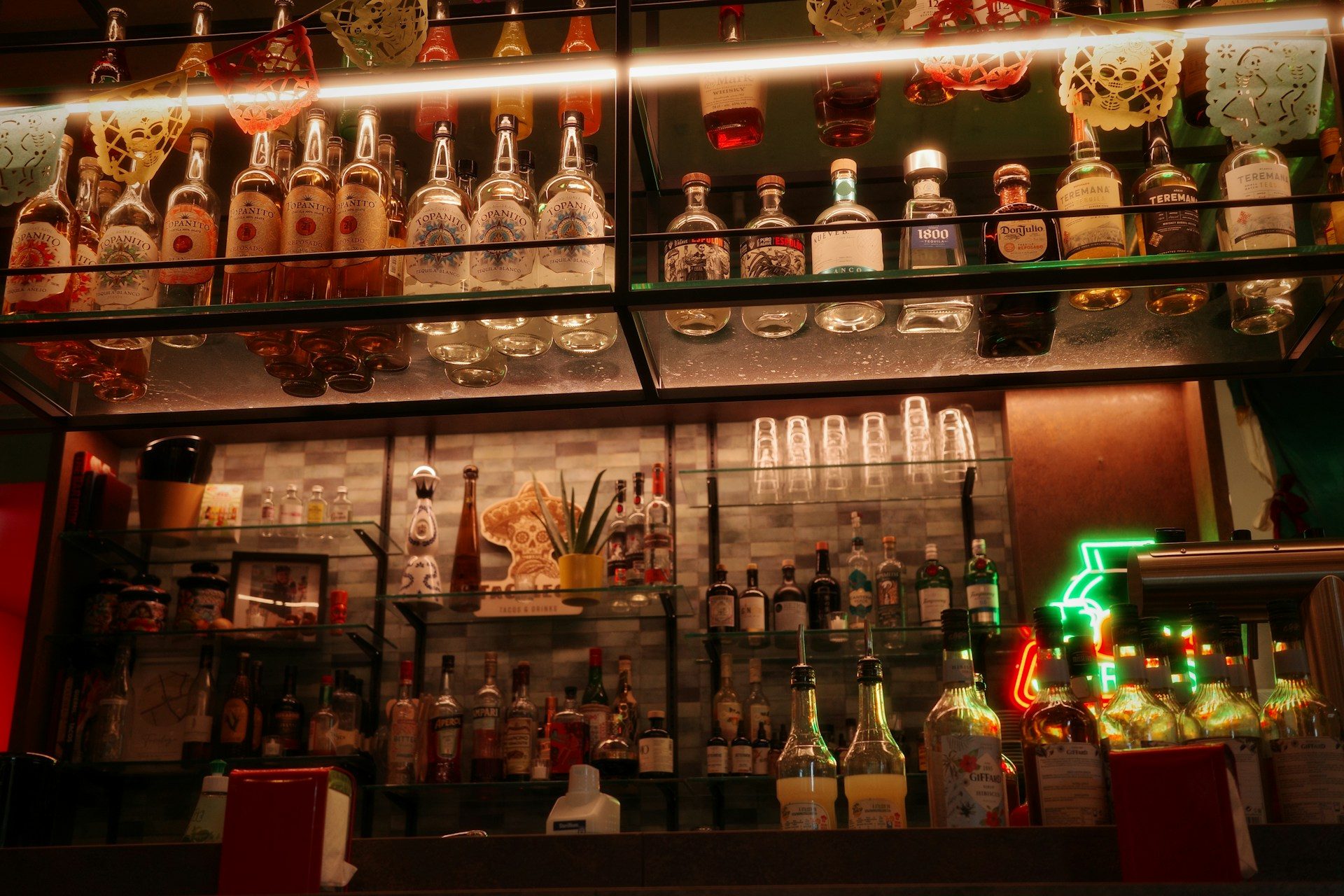
First and foremost, when I’m picking a new bottle of tequila to add to my collection, I make sure it’s produced from 100% Blue Weber agave. After that, I look for a well-balanced, flavorful tequila. I also look for value. Even though I’ll be sipping it neat, I don’t want to spend an exorbitant amount of money. I always look at the price-to-quality ratio when selecting a new bottle of tequila (and any other spirit).
The best añejo and extra añejo tequilas

Now that I’ve explained the definitions of añejo and extra añejo tequila, what they taste like, and how I pick mine, it’s time to find some to add to your home bar. Below, you’ll find some of the best añejo and extra añejo tequilas for Cinco de Mayo and every other day. Keep scrolling to see them all.
Don Fulano Añejo
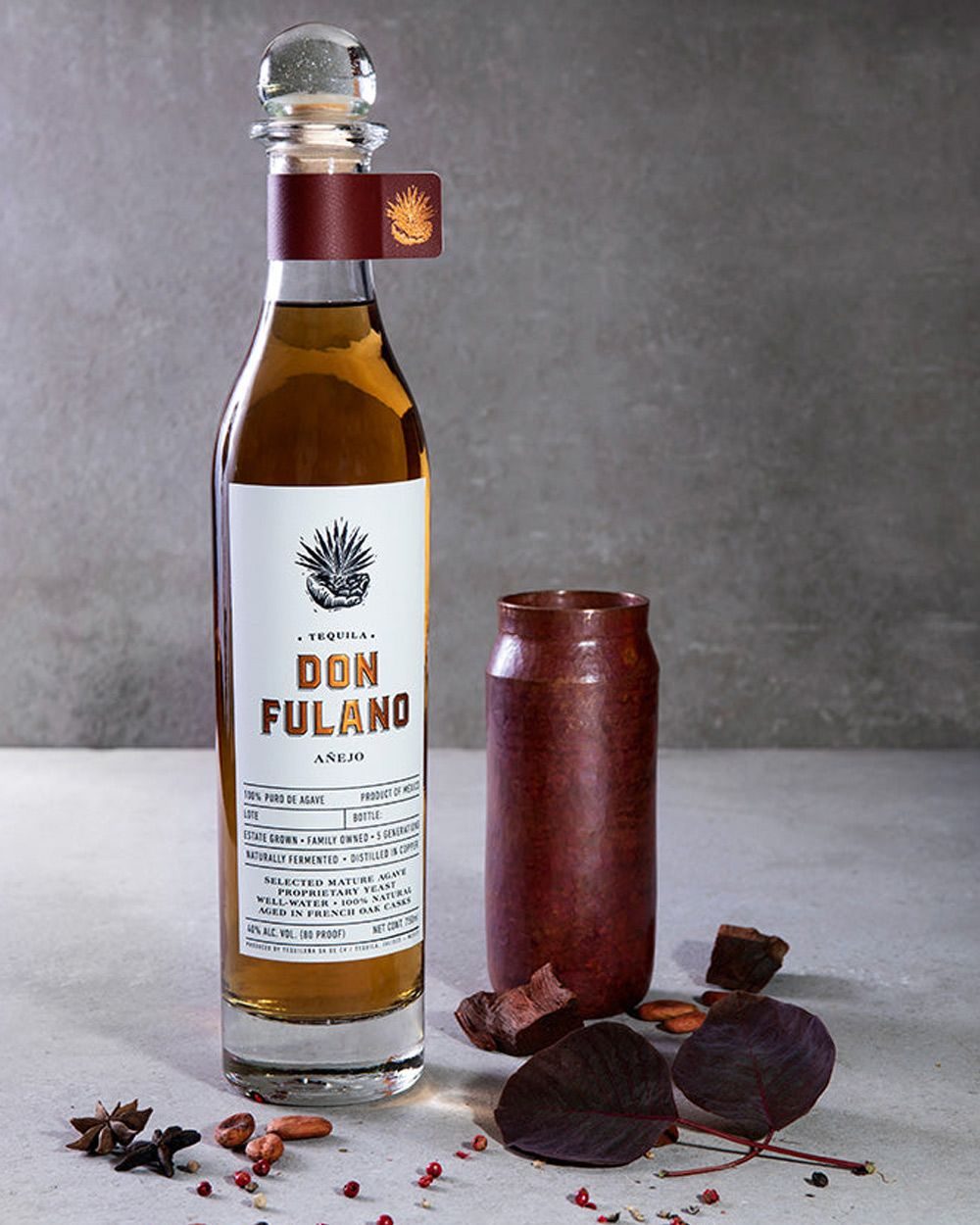
This 100% Blue Weber agave tequila is matured for three years in French Limousin and Nevers oak barrels that previously housed wine from the Loire and Burgundy regions of France. The result is a sippable, award-winning tequila that begins with a nose of toasted vanilla beans, cooked agave, cracked black pepper, and chocolate. The palate is centered on notes of ginger candy, vanilla beans, agave sweetness, citrus peels, and a gentle minerality. The finish is long, warm, and ends with flavors of pipe tobacco, toffee, and gentle spices.
Cascahuin Extra Añejo
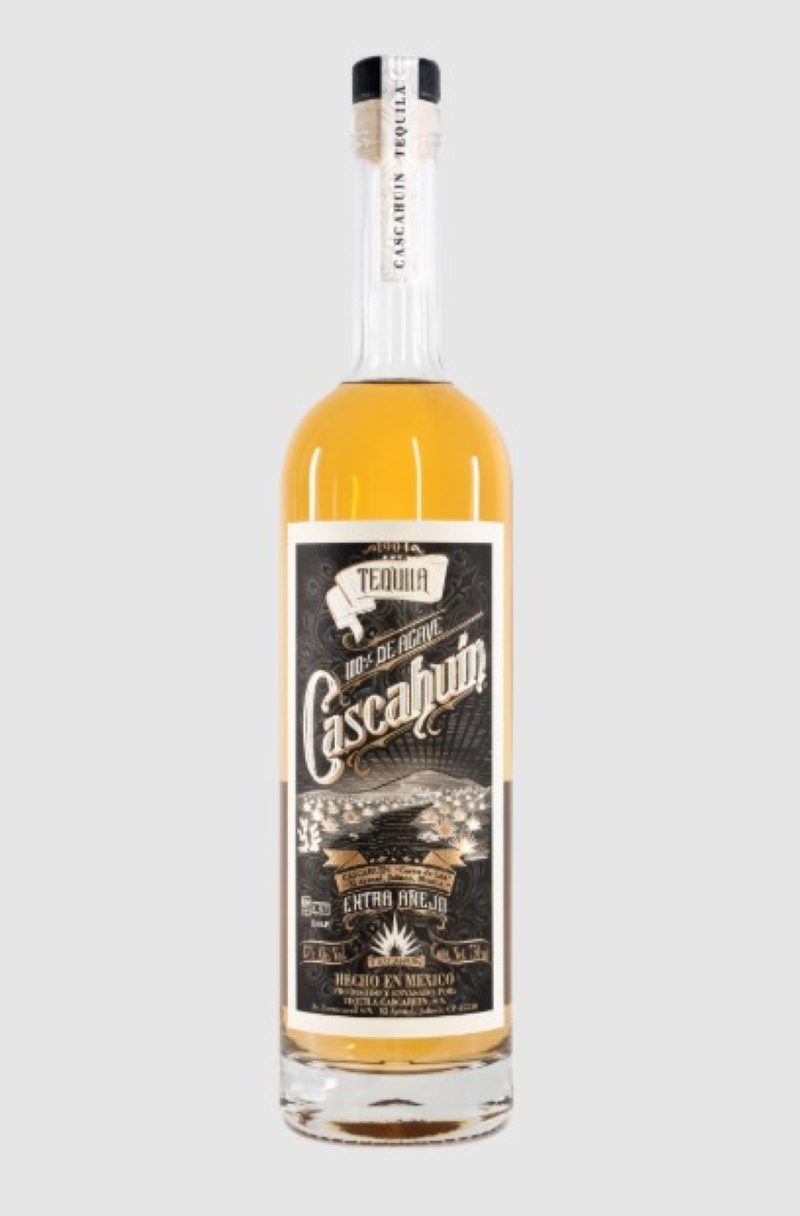
If you’re looking for an extra añejo tequila to drink neat this Cinco de Mayo, look no further than Cascahuin Extra Añejo. Made with 100% Blue Weber agave that are roasted in brick ovens, it’s distilled twice in pot stills before maturing for at least 3 years in ex-bourbon barrels. This creates a memorable, nuanced expression that begins with scents of cooked agave, vanilla, cinnamon, cracked black pepper, and candied orange peels. Sipping it reveals notes of caramelized sugar, oak, vanilla beans, cracked black pepper, and citrus. The finish is long, warm, and ends with a mix of vegetal sweetness and baking spices.
Tapatio Añejo
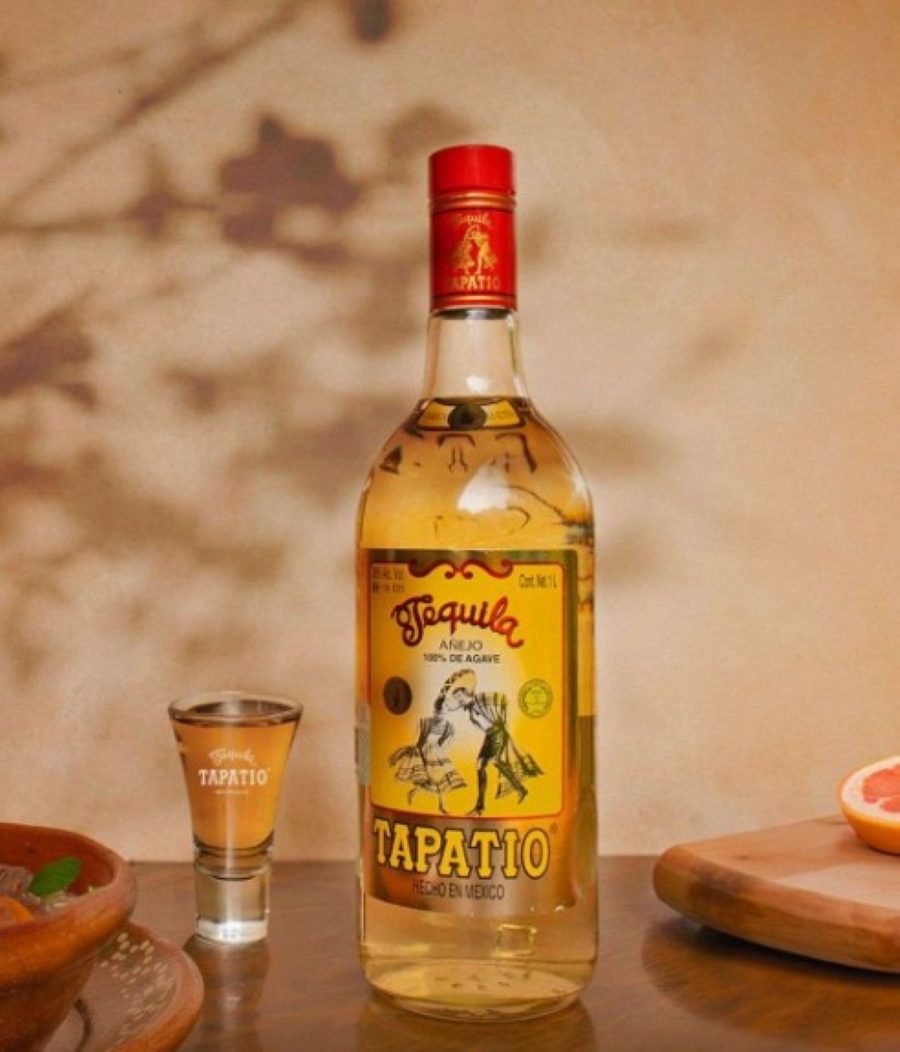
If you only buy one tequila on this list, make it Tapatio Añejo. Made from 100% Blue Weber agave grown in the Highlands of Jalisco, it’s matured for a minimum of eighteen months in American oak ex-bourbon casks. This results in a sublime tequila that starts with a nose of vegetal cooked agave, vanilla beans, candied orange peels, and baking spices. The palate is loaded with caramelized sugar, agave, cracked black pepper, citrus zest, and oak. The finish is a mix of caramel sweetness, agave, and peppery spice.
Tears of Llorona
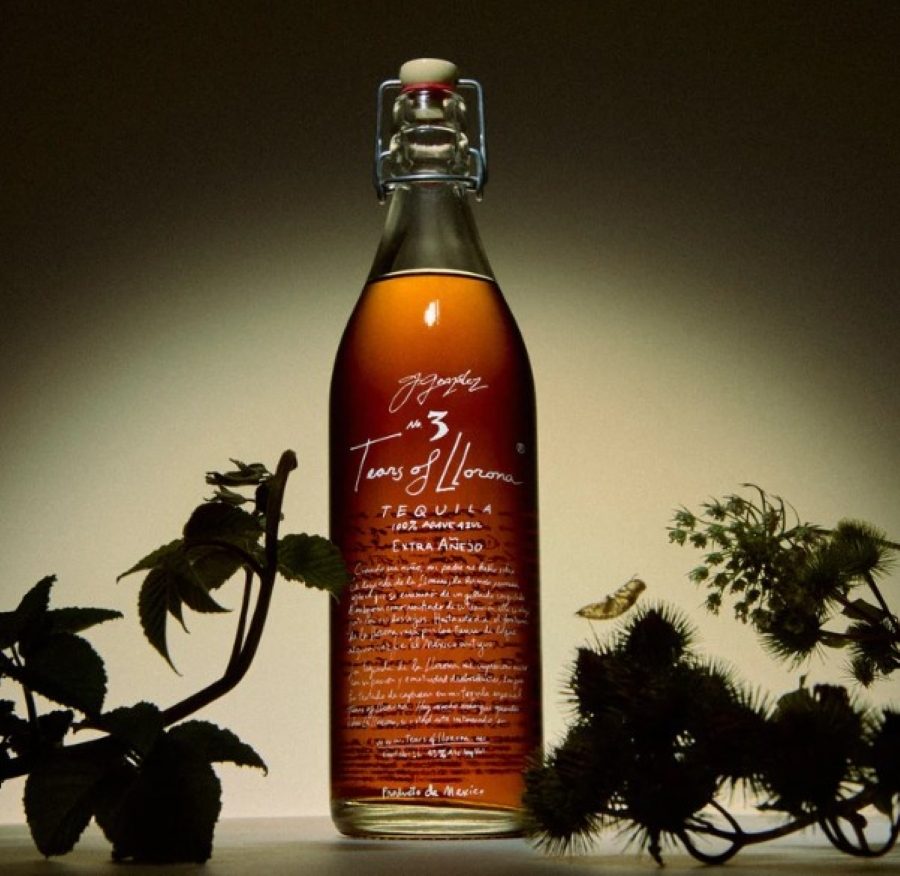
There aren’t many extra añejo tequilas more well-known than Tears of Llorona. You’re going to have to spend a little more for this expression, but it’s absolutely worth it. It all starts with 100% estate-grown Blue Weber agave from the volcanic hills of Jalisco. Double distilled in copper pot stills, it’s aged for a minimum of five full years in Scotch, sherry, and cognac barrels. This creates a memorable, whisky-like expression that begins with a nose of raisins, brown sugar, candied nuts, and oak. Sipping it brings notes of chocolate, dried cherries, roasted agave, vanilla, and baking spices. The finish is warm and medium, ending with notes of candied nuts, dried fruit, and oaky wood.