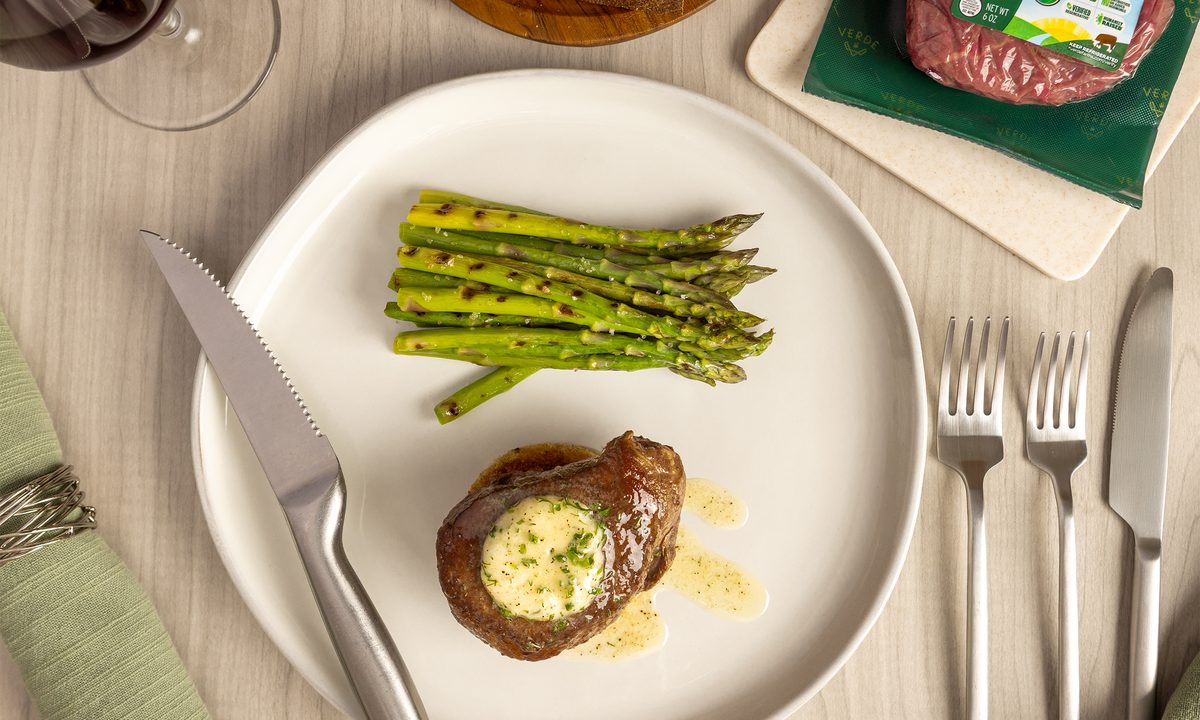
If you’ve been to the butcher or the meat counter at the grocery store lately, you might have noticed it just seems to feel overwhelming. Today, there are endless meat choices and labels such as organic, grass-fed, prime, and choice, leaving shoppers confused and stressed. Are these just marketing terms, or are they labels that actually hold value (and should they affect how you shop?)
To help cut through the confusion, we chatted with William Eck III, the In-House Meat Expert at Verde Farms. A Le Cordon Bleu graduate and HACCP-trained food safety expert with more than 20 years of experience, including serving in a James Beard Award-winning kitchen, fine-dining chop houses and boutique butcheries, he brings whole-chain expertise to Verde Farms’ commitment to organic, 100% grass-fed beef from pasture to plate. In this butcher’s guide to buying better beef, Eck shares how shoppers can actually read a beef label, which cuts are worth the splurge, and his best butcher-approved prep tips.
Understanding organic, grass-fed, and grass-finished terms
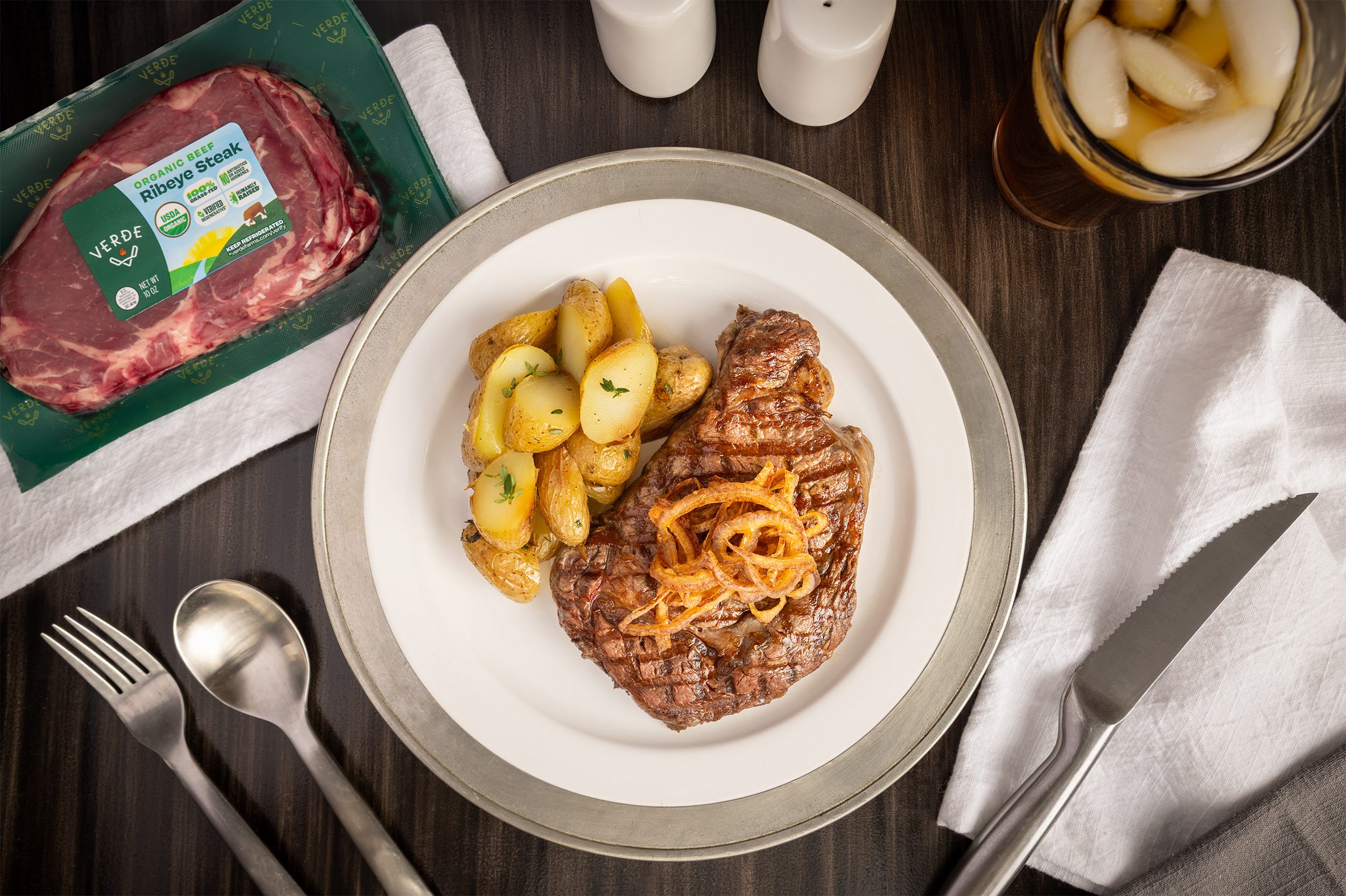
When someone’s standing at the beef counter, terminology can quickly get confusing. With words like grass-fed, grass-finished, and organic, it’s important to head to the store with a strong understanding of what these terms really mean. “While there are some commonalities between the three, there are also major distinctions. Not all organic beef is grass fed/finished and vice versa,” Eck shares. “Organic must follow stricter standards than non-organic. The land it is raised on (including pesticide and fertilizer usage) and the feed it is given must be certified by the USDA. However, it can still have grain feed if it too is certified organic as well.”
“Being “grass fed” doesn’t imply organic or that the animal only consumes grass for the entirety of its life. After being weaned from the mother they consume grass but can be switched to grain feed prior to processing which increases the fat content. “Grass finished” is when the animal eats only grass or other natural forage available in its pasture,” he shares.
But how do you choose which type of meat is right for you? According to Eck, the prioritization depends on what the consumer is looking for. Consumers who prefer something raised without chemicals but still grain fed, could lean towards buying only organic meat. On the other hand, someone shopping for partially pasture raised but with a higher fat content they could lean toward grass fed.
“Now if you are shopping for the leanest/healthiest option you would look for 100% grass fed/grass finished. If you are wanting something that is both certified organic and 100% grass fed/finished you would look for something like Verde Farms which is certified for both organic and grass finished. So it is raised without added chemicals and in an environment better suited for the animals natural lifestyle,” he shares. In terms of sourcing, the entire lifecycle of the animal affects the quality of the meat you purchase. This includes the food it is given to while living, even up until it arrives in the processing facility. If the animal is stressed it will affect the outcome of the meat.
Common mistakes when reading beef labels
When reading beef labels or judging quality at the grocery store, Eck says many consumers fall into similar mistakes. “One that sticks out to me is when people don’t look at the marbling (even distribution of fat content) of a product and only shop by grade. You could see a strip steak graded “Prime” and one graded “Choice”, people will automatically expect the Prime to be better but the Choice could have much better marbling. Grading is done by the ribeye cut, the environment and genetics of the animal could have a lower graded ribeye but the marbling for that particular animal could be better in the short loin than others,” he shares.
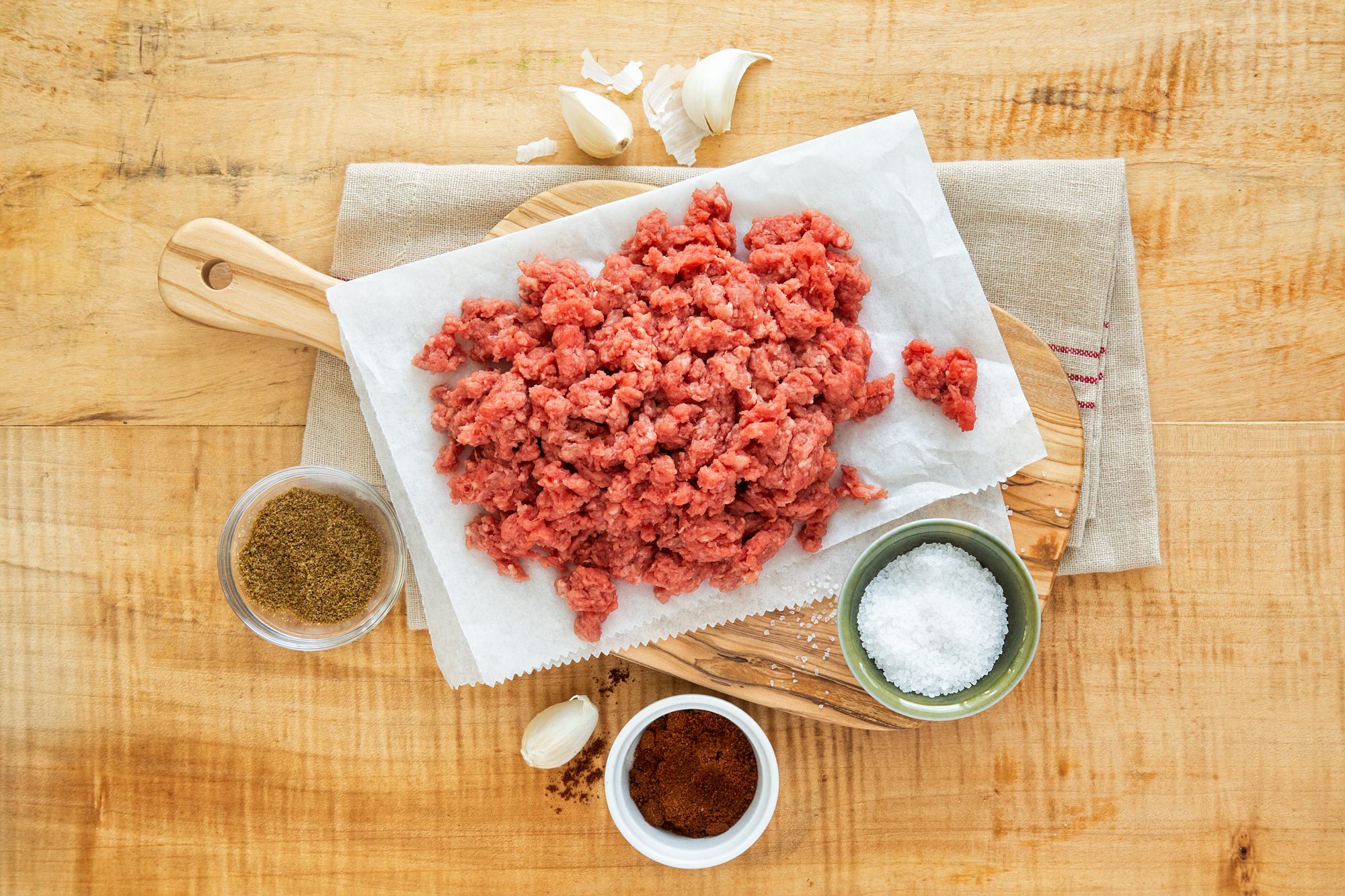
In terms of selecting the right cuts, some cuts are worth splurging on while others are good options for people to save without sacrificing quality. “If I’m splurging on something it would depend on the time available for the cooking process. A brisket when done correctly can be very delicious, but let’s be honest… it is a large cut and takes a long time to cook. The chuck roast is one of my favorite cuts due to the ratio of fat to muscle tissue as well as the price point (this is a go-to for me during slow cooker season). Don’t underestimate ground beef or stew meat though! They are usually some of the cheapest options, and made from the steak cuts you know and love, and are really versatile,” he shares.
What to know about preparing beef
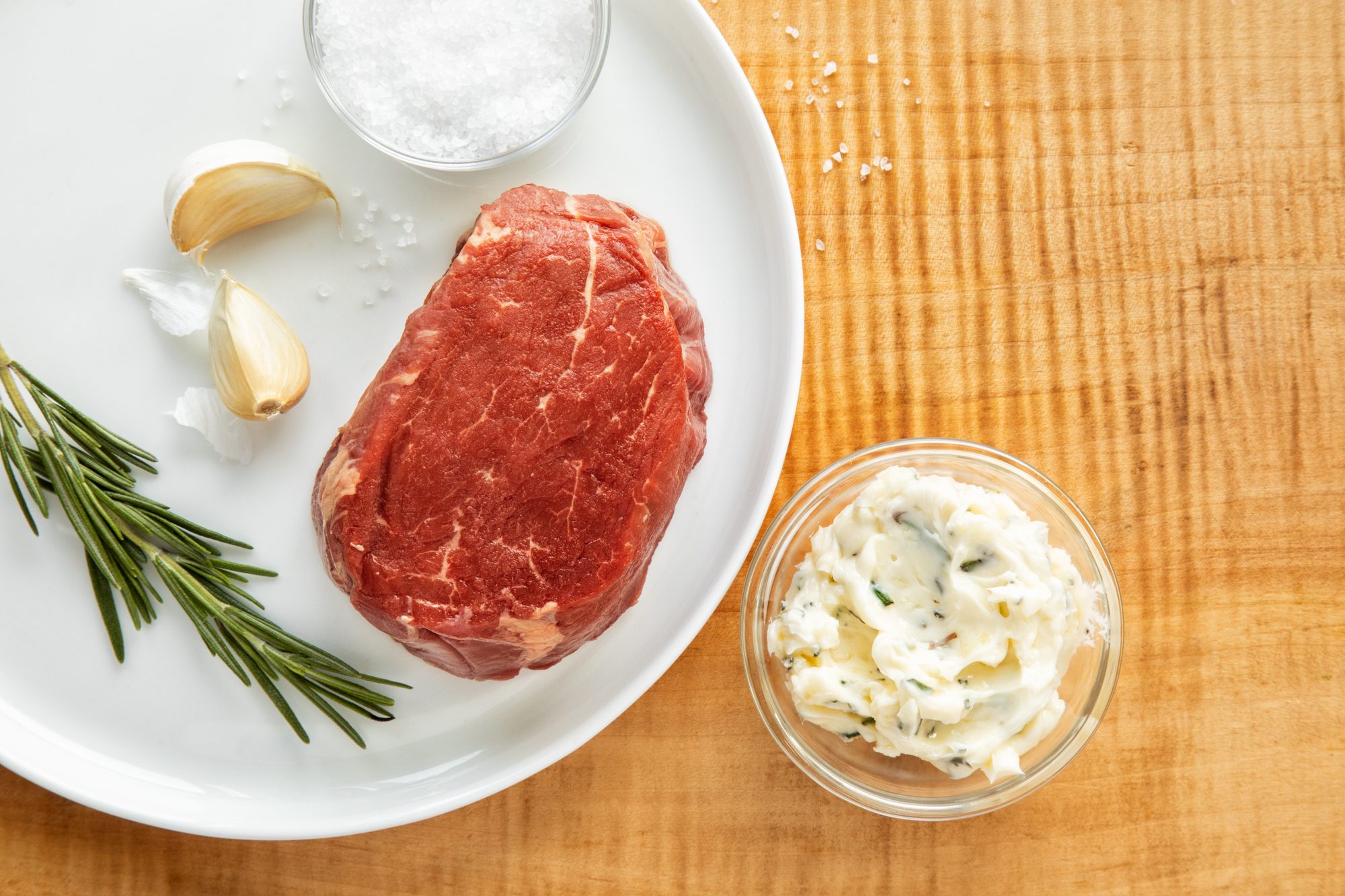
For beginners looking to master cooking beef at home, Eck recommends trying to start with a simple strip steak. “Any steak would work, but a strip is leaner and more forgiving on an outdoor grill. As I mentioned earlier, let your steak get to room temperature, season with just some salt and let them “cure” for 10 minutes or so to draw moisture to the surface and pat dry with a towel,” he shares.
“Using a cast iron pan that is at med-high, heat it with some oil or clarified butter/ghee (clarified has a higher smoke point and won’t burn as easily). Place your steak on the pan and keep pressure on it with a spatula or other tool for 5-10 seconds to start with a good sear. After 3-4 minutes, flip it and repeat. You can have an excellent steak in 30-45 minutes, but with only 6-8 minutes of active cook time. Just make sure to let it rest!”
It’s also important to remember that every type meat, whether it’s organic or grass-fed, ribeye or ground beef, can be delicious if certain steps are followed. “You’re only limited by your imagination when it comes to food preparation. I worked in kitchens for almost two decades and would learn new things or see someone do something I hadn’t seen before on a weekly basis,” Eck shares. “My biggest piece of advice – just let the meat rest!”