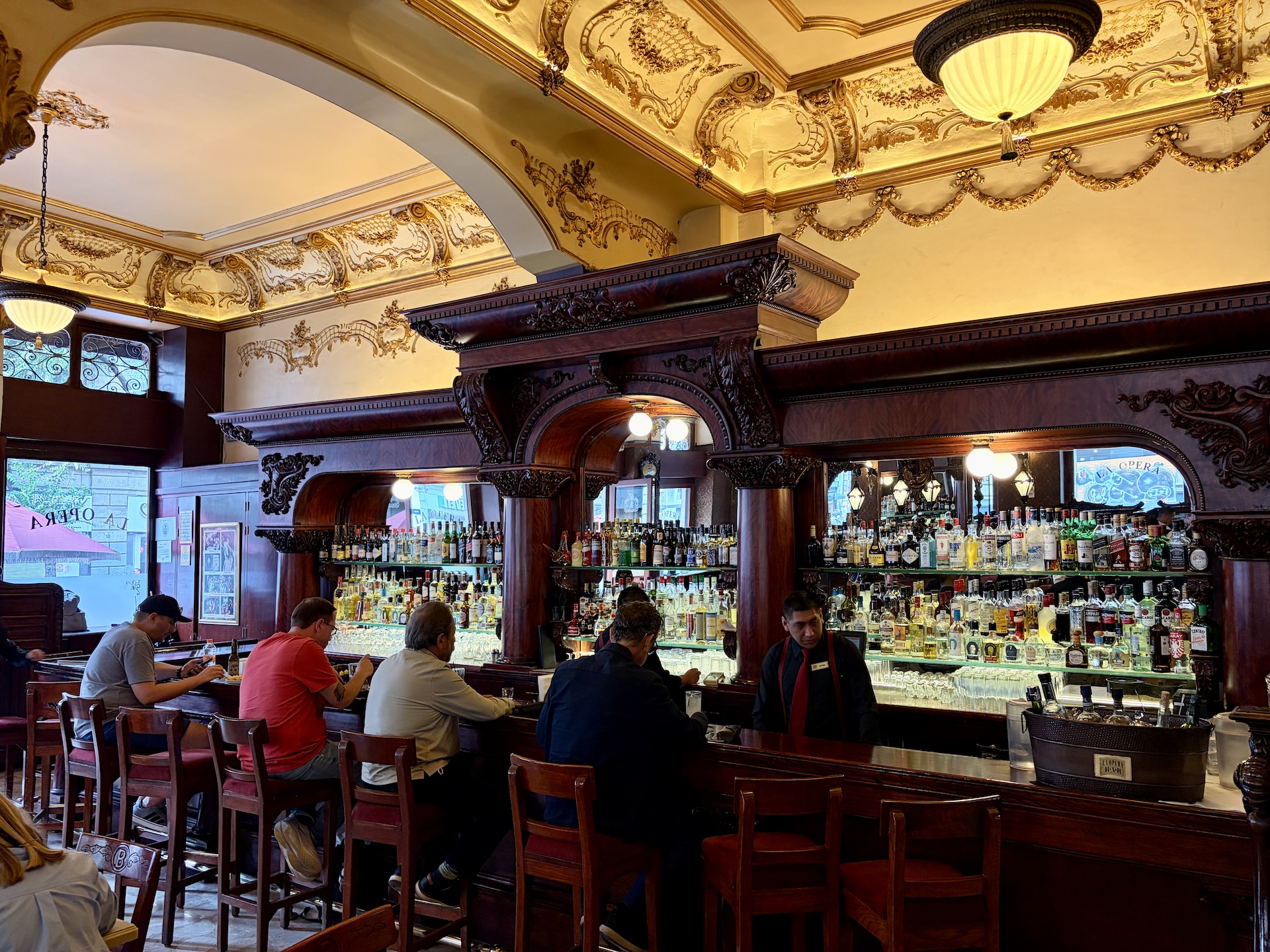
In the heart of Mexico City sits an iconic bar that stands the test of time: La Ópera. It’s sandwiched (give or take a few blocks) between the famed Palacio de Bellas Artes (equivalent to New York City‘s Lincoln Center) and Palacio Nacional (where Mexico’s president resides) in the Zócalo main square.
While La Ópera is steeped in rich history, its origins actually didn’t start on the corner of Avenida 5 de Mayo and Calle Filomeno Mata. Two French sisters, the Boulangeots, opened the joint in 1876 just a few blocks away, where the iconic Torre Latinoamericana stands today. La Ópera was originally a popular pastry shop, catering to the rich and famous heading to Gran Teatro Nacional to catch opera performances, hence the pastry shop’s name. Nearly 20 years later, in 1895, La Ópera moved to its current location and was transformed into a bar that, again, catered to high-class society.
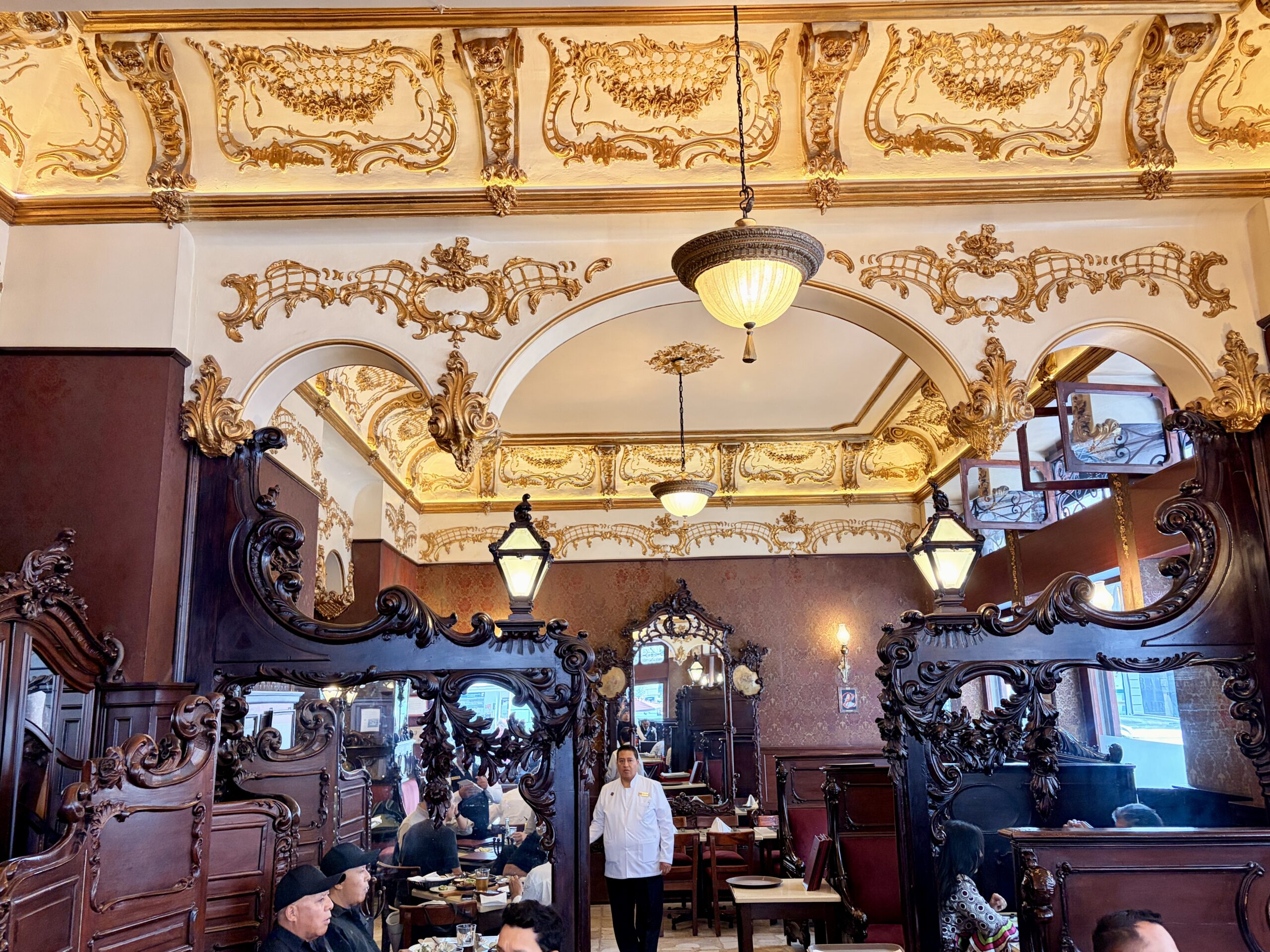
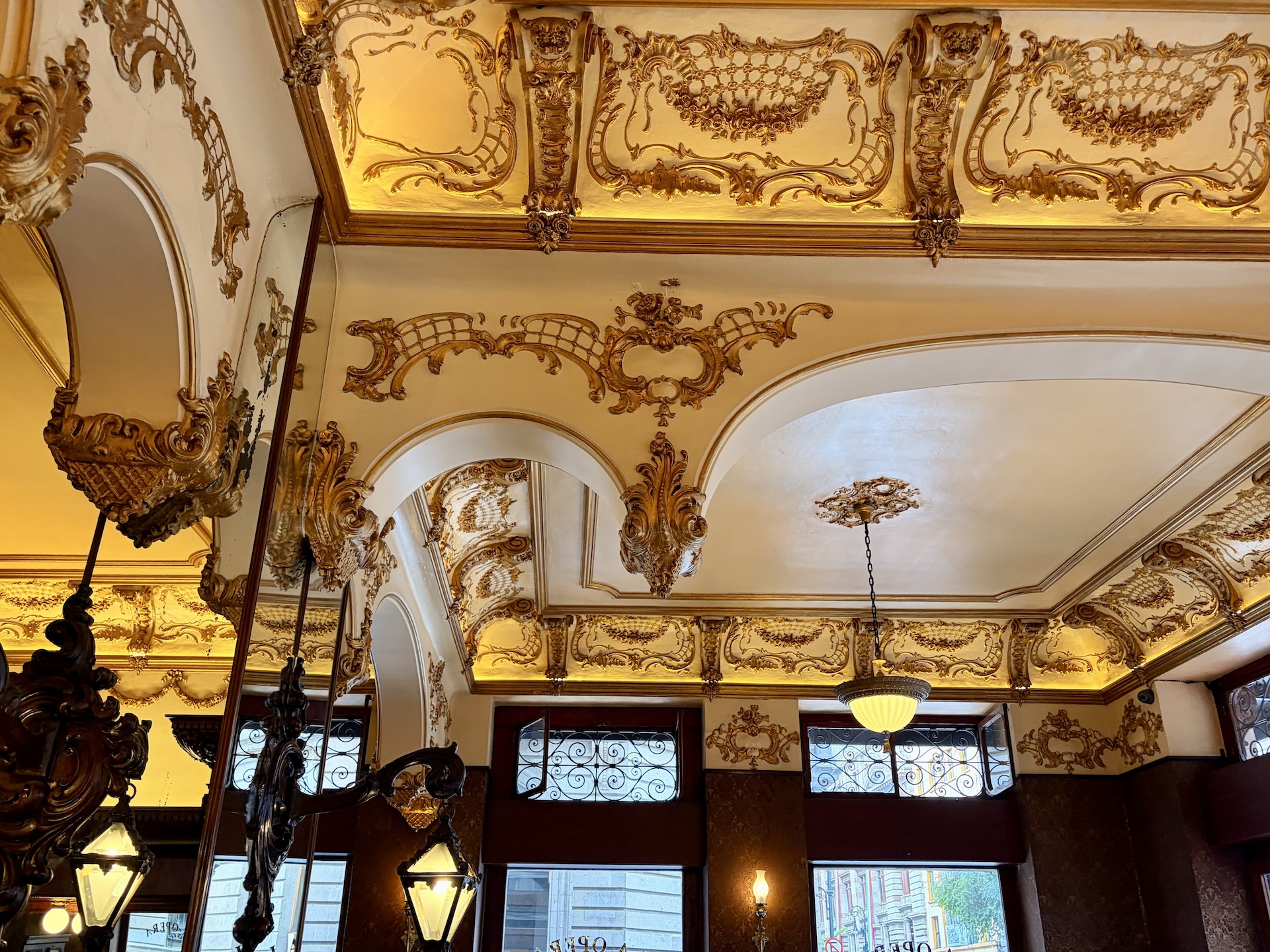
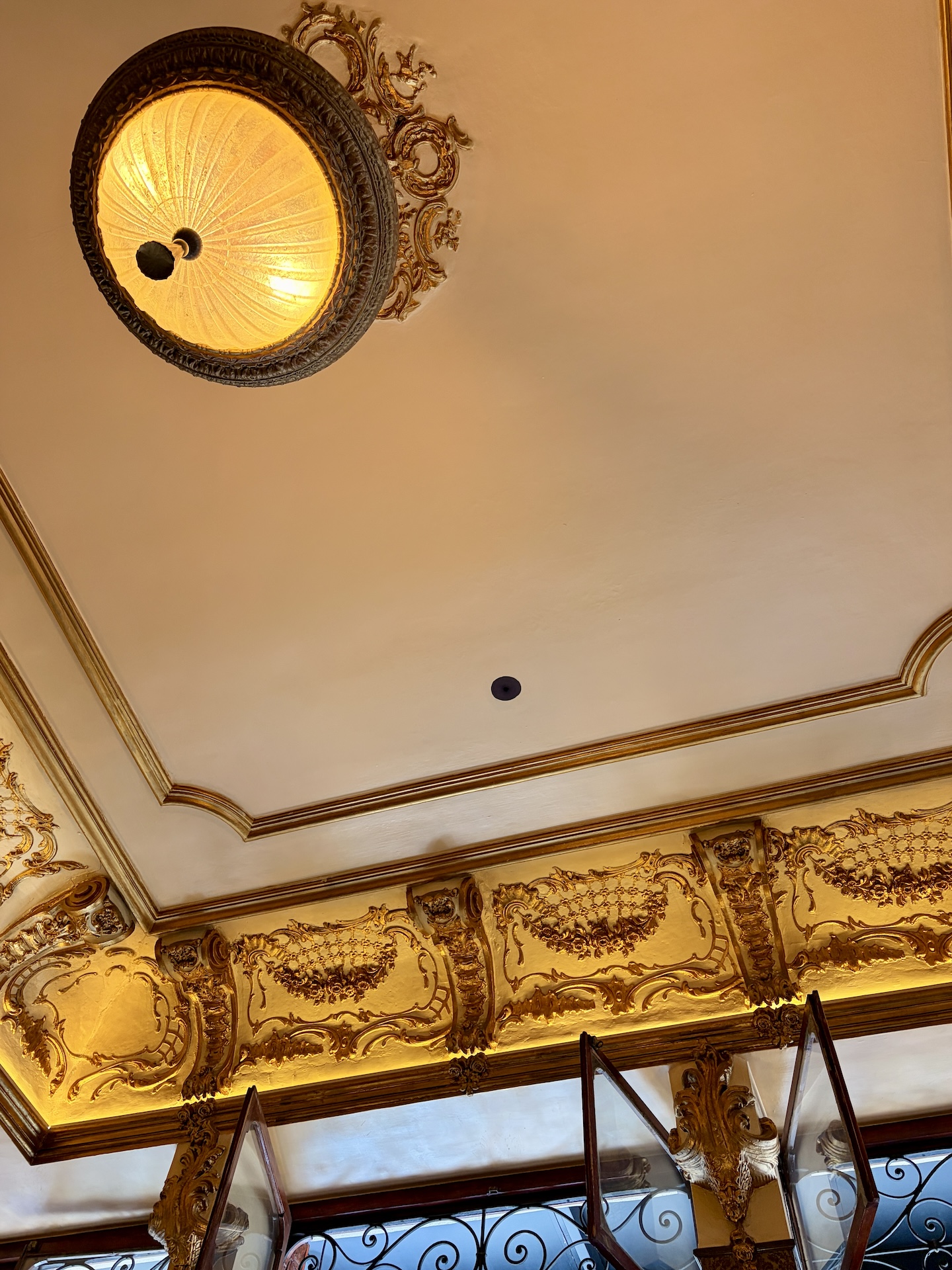
Presidents, major politicians, and dignitaries alike walked through La Ópera‘s doors in the late 1800s and early 1900s to enjoy a boozy beverage or two. The country’s best writers and poets also settled into the bar’s red velvet booths, where their minds no doubt percolated amid the hustle and bustle and baroque, French-inspired chattel, including ornate ceilings that immediately draw your head up to stare in utter amazement. If you stare at the ceiling long enough, you’ll find a peculiar hole surrounded by a metallic border.
It’s a bullet hole.
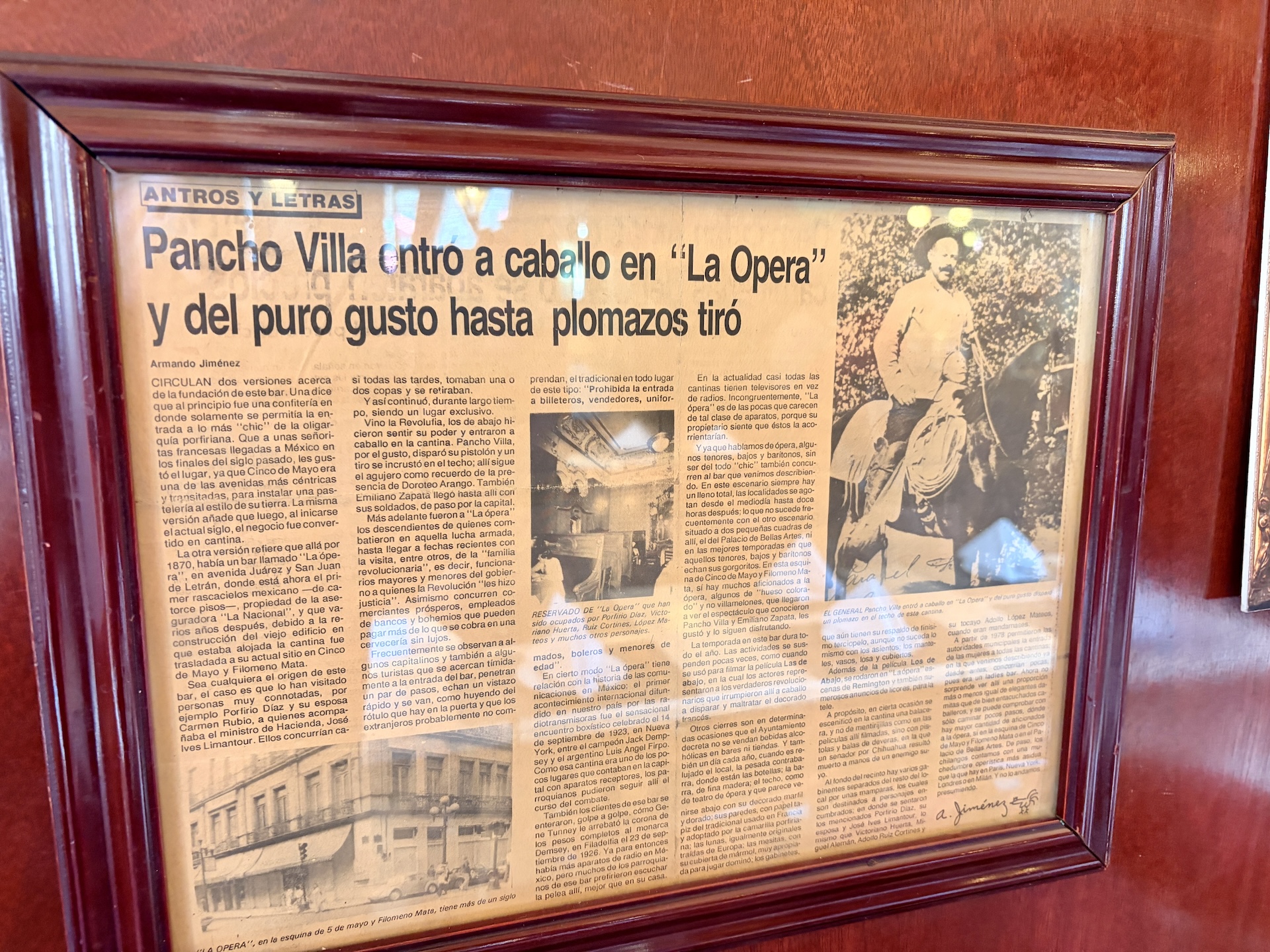
Legend has it that Mexican Revolutionary leader Pancho Villa walked into the joint in the early 1900s. The exact date is a bit disputed. Some accounts list Villa visiting one night in December 1914, while other accounts have him there in 1910. It’s also unclear what led Villa to pull out his revolver, raise it to the ceiling, and fire a single shot.
One version of the story has Villa’s Northern Division getting drunk and rowdy at the bar, much to Villa’s chagrin. It’s said that this infuriated the general, who detested alcohol, and he fired a shot to command silence and restore order. Another version has Villa trying to address his troops, but the rowdiness drowned him out, prompting him to fire a shot.
In any event, what’s not disputed is that Villa rode in on a horse to the bar and fired a shot to the ceiling. It’s the stuff of legend that every waiter and bartender gleefully points out if they see you walking in with your head tilted up, or if you’re poking your head in from the sidewalk. That’s how I found out about the bullet hole’s exact location in the ceiling.
I visited Mexico City for the first time in 2025 during Cinco de Mayo weekend. I stayed at Hotel Zócalo Central for my five-night stay, directly across from Catedral Metropolitana de México, the oldest and largest cathedral in Latin America. If you ever find yourself there, take the hotel’s elevator to the sixth floor and enjoy a meal or a few drinks at the rooftop restaurant, Balcón del Zócalo, which offers sweeping city views, including, of course, the Zócalo main square and the colossal Mexican flag measuring 164 feet long and 92 feet wide, raised by Mexican soldiers at approximately 8 a.m. and taken down by sunset (unless there’s a pending storm, which is why I recently saw soldiers lowering the flag at around 1 p.m.).
During this Cinco de Mayo visit, I walked to La Ópera, but it was around 11 a.m., and waiters were still setting up sidewalk tables and chairs. With the doors wide open and busy workers hurrying in and out, I poked my head inside, looking for the famous bullet hole. A waiter kindly said it was on the other side of the restaurant. It wasn’t meant to be, so I continued my day.
Later that year, in September, I stayed in Roma Norte and mostly wandered the Condesa and Polanco neighborhoods. I never ventured into the historic center, so Villa’s bullet hole eluded me again.
Determined to see Villa’s indelible mark, I planned a visit to the historic center during my summer-long stay this year (I’m writing this piece from my Mexico City apartment). When friends recently visited, I scheduled a visit to La Ópera after we toured the Aztec ruins next to the Zócalo. At 2:02 p.m. on Friday, Sept. 18, I snapped my first picture inside La Ópera: the gloriously formed bar, with every bottle of tequila, rum, vodka, cognac, scotch, and gin, and every type of glass needed for a delectable cocktail sitting symmetrically and oh so inviting. See for yourself. It’s the penultimate photo in this story.
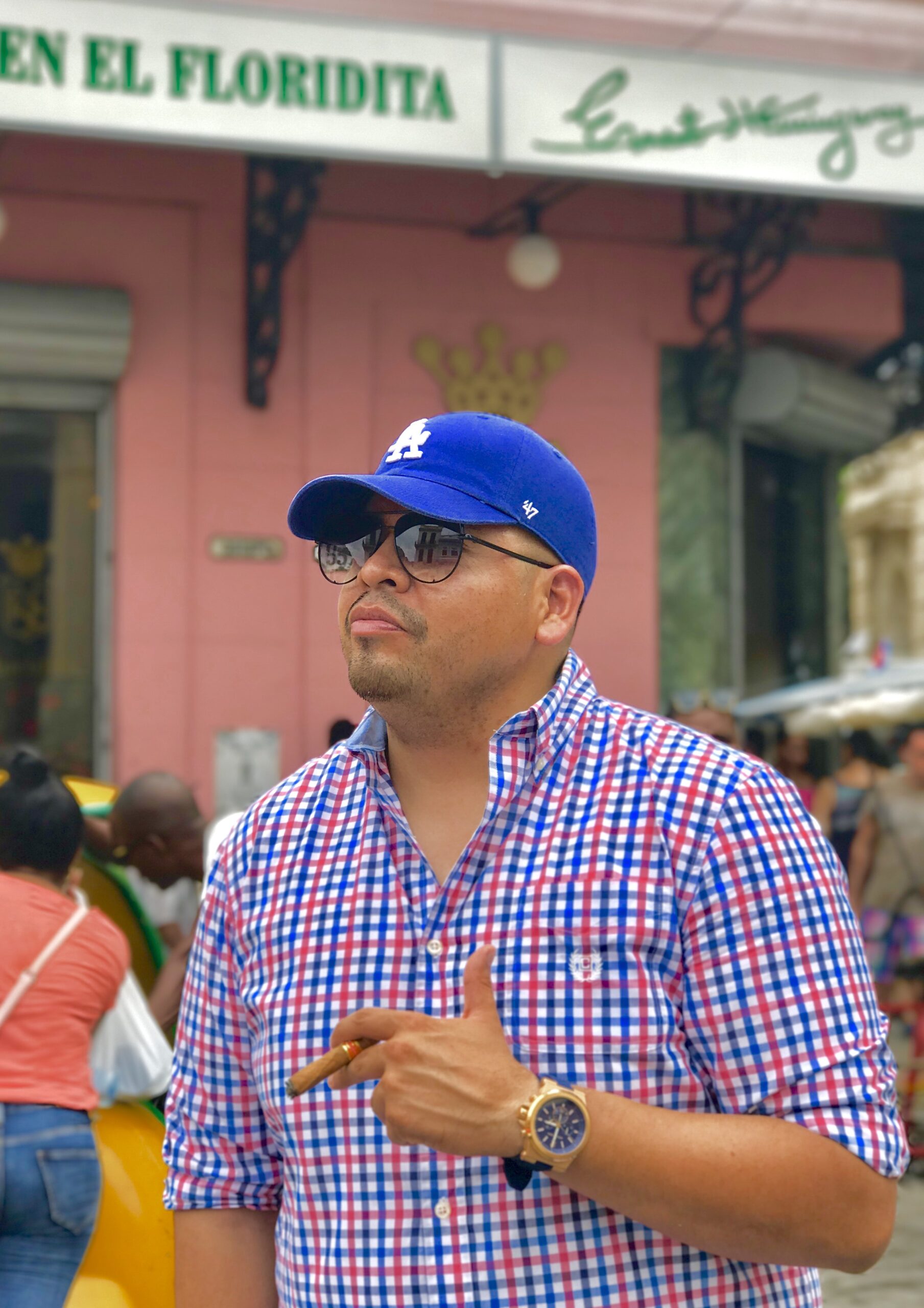
I had heard and read about a slew of iconic bars in the historic center, including the nearby Cantina Tio Pepe in the city’s Chinatown. The bar’s been around since 1869. But La Ópera is where I longed to be, not just to witness the result of Villa’s short fuse, but also to be where Mexican Nobel laureate Octavio Paz and One Hundred Years of Solitude novelist Gabriel García Márquez once sat and drank. Visiting La Ópera reminded me a lot of my first visit to El Floridita — where the daiquiri was invented —in Havana, Cuba. A bronze statue of Ernest Hemingway anchors one end of the bar, where he enjoyed a daiquiri or seven when he lived in Havana. El Floridita was his favorite bar when he lived there.
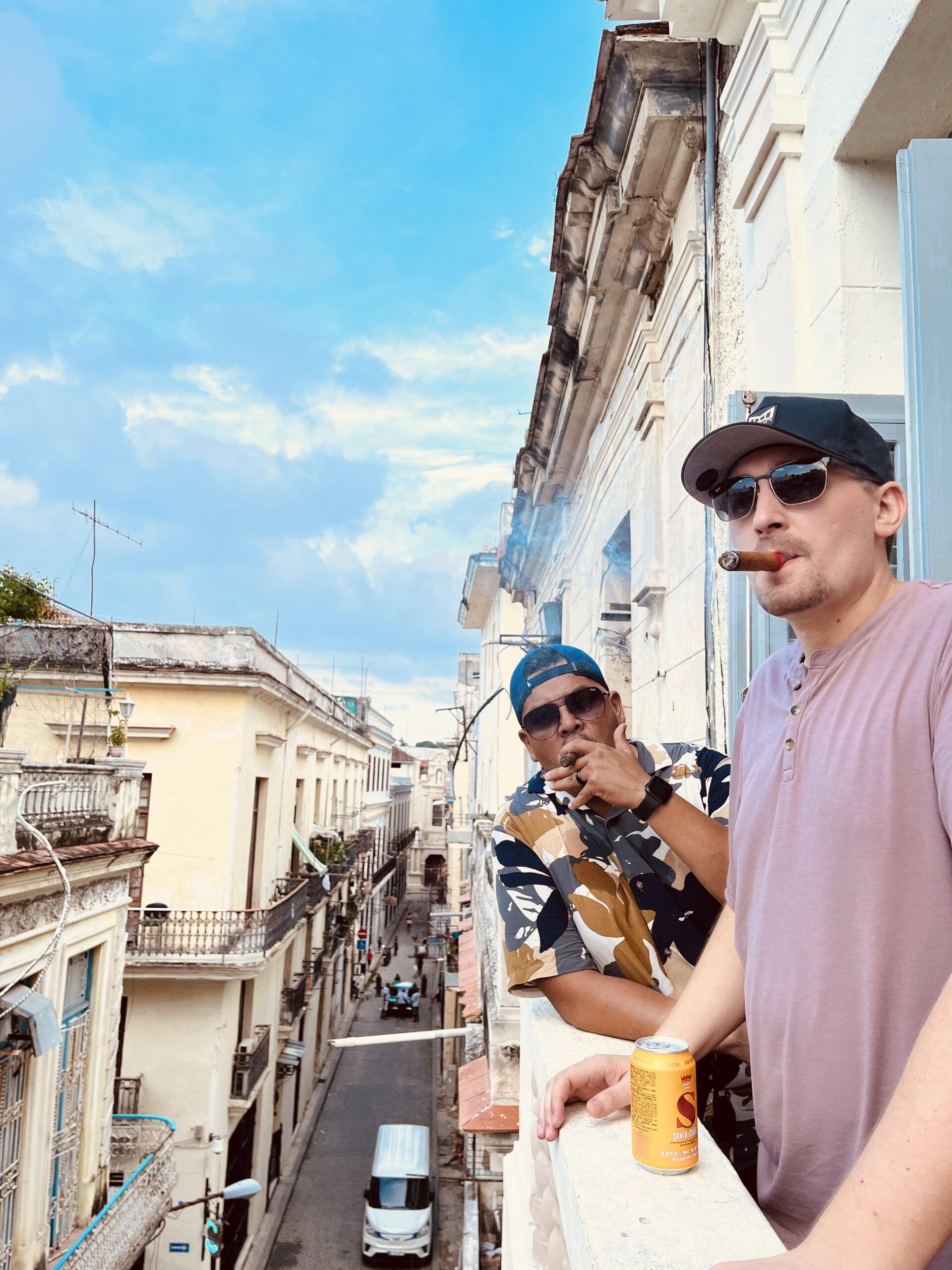
La Ópera is now my favorite bar in Mexico City.
My buddy Garrett Wren and I sat at the bar and immediately ordered two shots of tequila, two Victorias, and a basket of French fries. We repeated the order 10 minutes later.
The bartender serving us told us he’d been working there for 17 years. In the middle of him explaining to us the exquisite woodwork on the booths, doors, and main bar (reportedly carved from a single piece of dark walnut and brought to Mexico City in 1895 from New Orleans), he looked at us while lightly shaking a near-empty bottle of tequila and mischievously asked, “Otra?” … as in, “One more?”
Is the Pope Catholic?