A high-protein diet has numerous benefits, including muscular gains, optimized hormone levels, and weight loss. As a personal trainer and nutritionist, I encourage all my clients to consume plenty of protein with every meal, and I have a number of grams I strive for daily as well.
While protein is important, it can sometimes feel a bit overwhelming to try to consume enough on a regular basis. Keep reading for some ideas on how to get more protein into your diet through simple and effective tweaks!
Why protein matters more than you think

Protein does more than just help build muscle—it’s essential for nearly every function in your body. It supports the repair of tissues, helps produce hormones and enzymes, and strengthens the immune system. Even if you’re not lifting weights, protein plays a critical role in energy levels, brain function, and keeping you full between meals.
As for weight loss, an NIH study shared that “Fairly long-term clinical trials of 6–12 months reported that a high-protein diet (HPD) provides weight-loss effects and can prevent weight regain after weight loss. HPD increases anorexigenic hormone levels while decreasing orexigenic hormone levels, resulting in increased satiety signaling and, eventually, reduced food intake.”
This means it can help curb cravings, reduce unnecessary snacking, and support weight management without restrictive eating. Also, as we age, protein becomes even more important for preserving lean body mass and maintaining mobility. Many people unintentionally underconsume protein, especially if they rely on processed or carb-heavy meals.
The good news? You don’t need to eat grilled chicken all day to meet your needs. By learning to spread protein across meals and snacks, you can experience steady energy and satiety without a complete diet overhaul. It’s about consistency—not perfection.
Simple ways to integrate protein into your daily diet
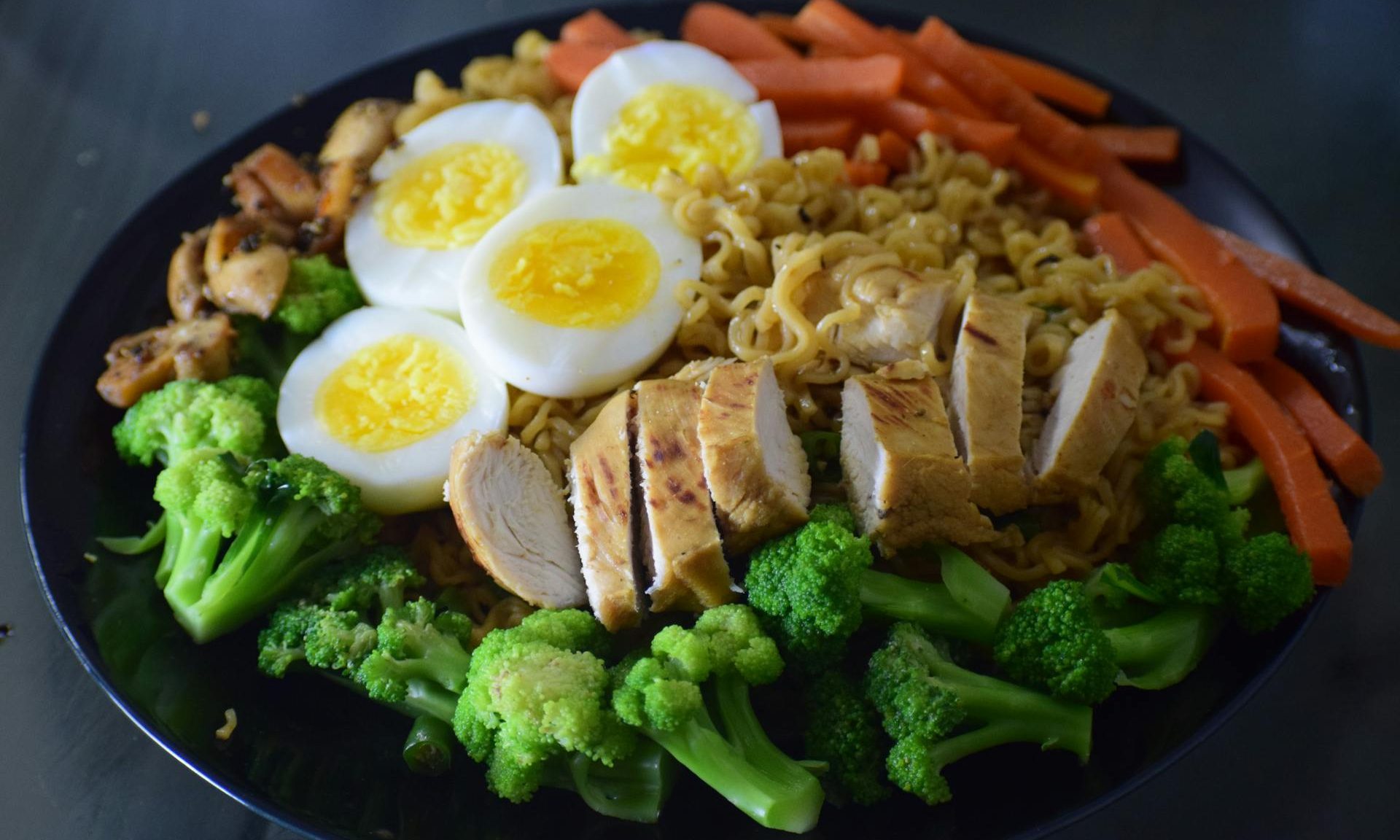
You don’t have to change everything to eat more protein. Small tweaks go a long way. Start by adding an extra egg to your breakfast or stirring protein powder into oatmeal or yogurt. Choose high-protein snacks like a boiled egg, string cheese, or Greek yogurt instead of chips or crackers.
When making a sandwich, double up on the deli meat or choose a high-protein bread. You can also swap rice or pasta for higher-protein options like quinoa, lentil pasta, or edamame. Another easy trick is to mix beans or lentils into soups, stews, and salads.
At dinner, prioritize the protein on your plate first—whether that’s a food like tofu, fish, or turkey—and build your sides around it. Even dessert can get a protein upgrade with pudding made from protein powder or cottage cheese blended into a creamy mousse. Once you start thinking in “protein boosts,” the habit becomes second nature.
Sneaky high-protein foods that don’t taste like gym fuel
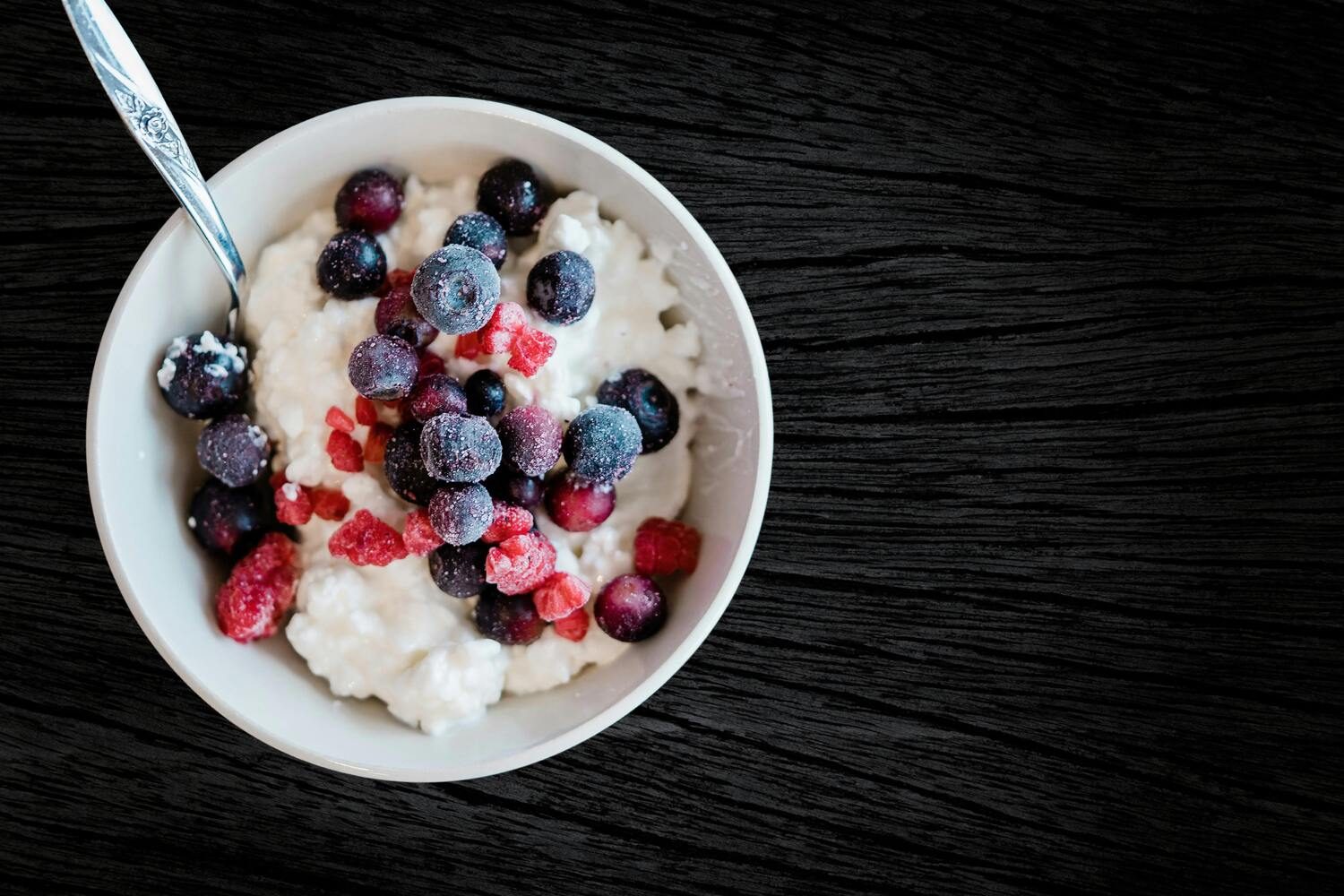
If protein shakes and bars aren’t your thing, there are plenty of other options, including the following:
- Cottage cheese – Creamy and mild, it works well in both sweet and savory dishes and packs over 20g of protein per cup.
- Greek yogurt – Thick and satisfying, it offers 15–20g of protein per serving and is a nutritious snack when topped with fruit or honey.
- Lentil or chickpea pasta – These high-protein swaps cook like regular pasta but offer up to 25g of protein per serving.
- Tofu and tempeh – These vegan options absorb flavors easily and can be sautéed, baked, or grilled for an alternative protein choice.
- Eggs – Versatile and quick to prepare, one egg has about 6g of protein.
- Nutritional yeast – This cheesy-tasting powder contains 8g of protein per two tablespoons and can be sprinkled on popcorn or veggies.
- Pumpkin seeds – Crunchy and rich in protein, pumpkin seeds are perfect as a topping or snack.
What does a balanced high-protein day look like?
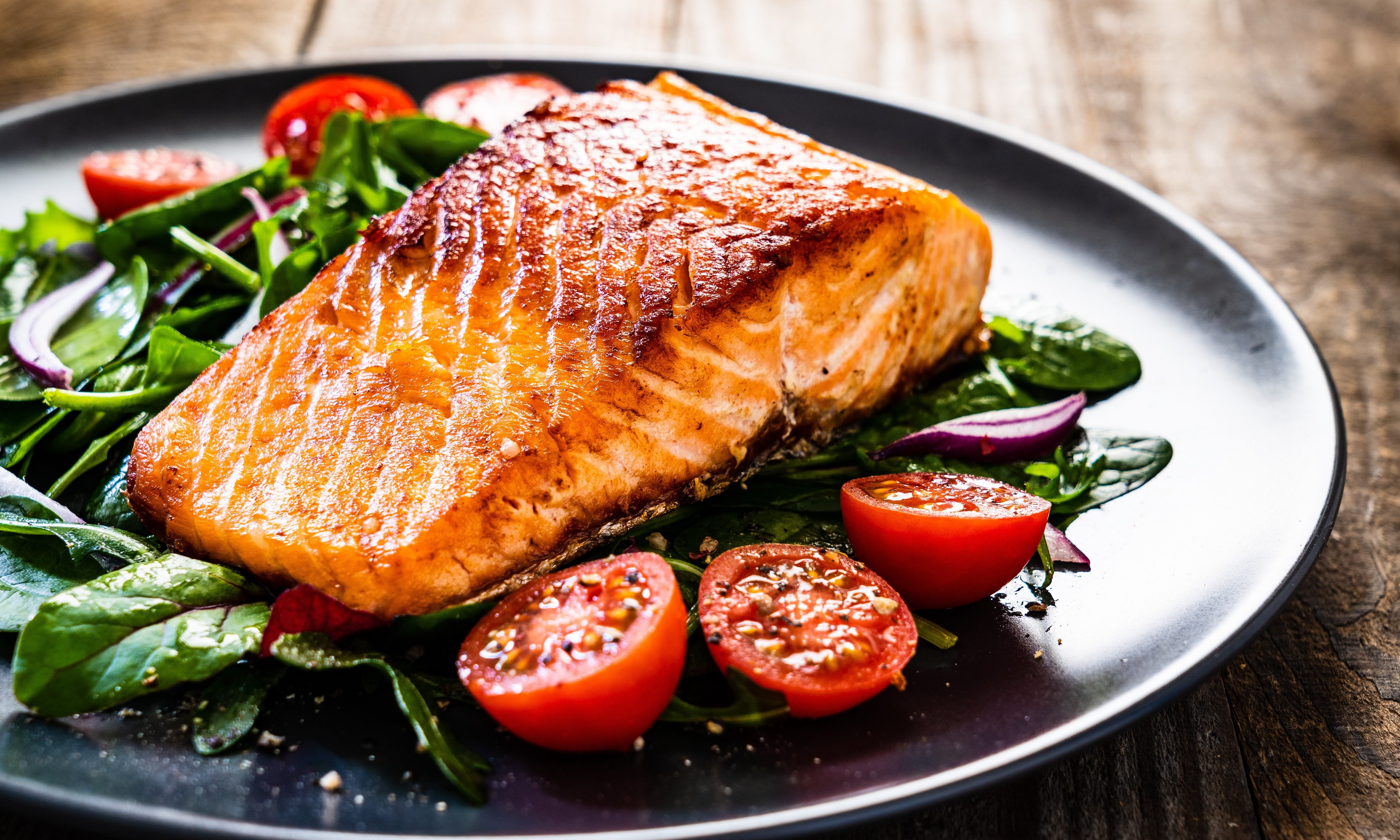
A high-protein day doesn’t need to feel restrictive or repetitive, and you can get pretty creative over time. Here’s a sample layout of what your day could look like that comes out to around 142 grams of protein:
- Breakfast: Greek yogurt parfait with berries, granola, and chia seeds (~25g protein)
- Snack: Hard-boiled eggs and a small handful of almonds (~12g protein)
- Lunch: Turkey and hummus wrap on a high-protein tortilla with a side of edamame (~30g protein)
- Snack: Protein smoothie with banana, spinach, peanut butter, and protein powder (~25g protein)
- Dinner: Grilled salmon with quinoa and roasted broccoli (~35g protein)
- Optional dessert: Chocolate protein mousse made with blended cottage cheese and cocoa powder (~15g protein)
This balanced day is an example of how to spread protein intake across meals, and it supports muscle maintenance and prevents that mid-afternoon crash. You don’t need to go low-carb or eat massive portions—just choose thoughtfully and be consistent.
Frequently asked questions
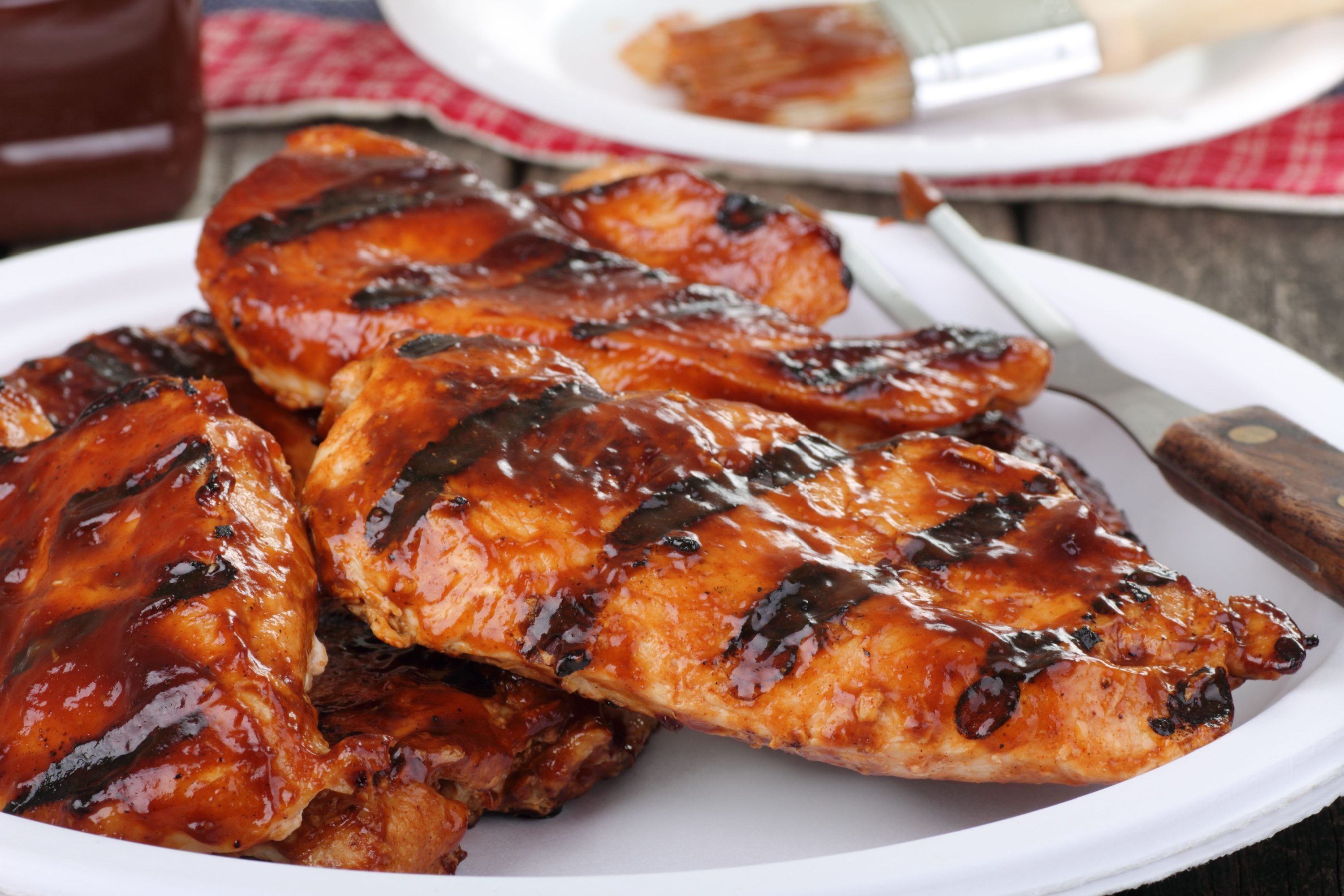
What food is the highest in protein?
The food highest in protein per serving is lean meat, especially chicken breast, turkey, and beef. Among plant-based sources, soy products like tempeh and tofu rank highest. Eggs and fish, like tuna and salmon, are also excellent choices. These foods provide complete proteins, containing all essential amino acids for muscle repair.
How do you get 100 grams of protein in a day?
To get 100 grams of protein in a day, combine sources like eggs, Greek yogurt, chicken, tuna, and protein shakes. For example: 3 eggs (18g), 1 cup Greek yogurt (20g), 6 oz chicken (42g), 1 scoop protein powder (20g). Spread intake across meals to support muscle growth and recovery.
What are the symptoms of a lack of protein?
A lack of protein can cause fatigue, muscle loss, slow wound healing, brittle nails, hair thinning, and frequent infections. You may also experience mood changes, swelling (especially in the legs), and poor concentration. In children, severe deficiency can stunt growth and development. If you are concerned about a deficiency, consult with your healthcare provider.