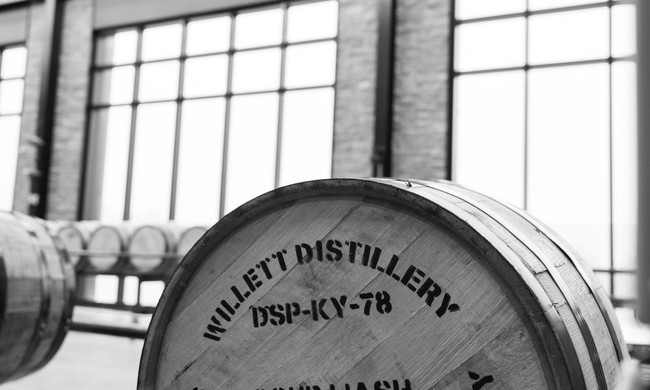
The craft of making whiskey (single malt Scotch whisky, bourbon, Irish whiskey, or any other type) is highly elaborate. It’s a time-consuming process of mashing grain, fermenting the mash, distilling the liquid, and then maturing it in wood barrels. The ingredients and method are different depending on the type of whiskey. But one thing is guaranteed with any whiskey distilled worldwide: it will be sold and stored in a bottle.
This brings us to one crucial question: Does whiskey go bad? In my more than two decades of writing about alcohol and sampling countless whiskeys, I have found that it definitely does. But there are a variety of causes, and they are usually created by the alcohol consumer and not the distiller.
Signs your whiskey has gone bad

If you don’t open a bottle of whiskey and keep it in the proper storage place, it can last for decades without much change in its overall appearance, aroma, and flavor. Once you break the seal, everything changes. Even in the best conditions, it will only retain its intended qualities for a few years.
But whiskey can go bad well before that. There are a variety of factors that affect the overall flavor and appearance of whiskey. Before we start explaining, it’s essential to pick out the signs of a whiskey that’s gone a little sideways.
- First, the aroma won’t be as full as it once was, or there will be different, less appealing scents.
- Now for the palate. It might be either watery and lack flavor, harsh and ethanol-like, or even like a sour vinegar.
- It also might be cloudy or appear to have things floating in it.
All of these are indications that your whiskey has gone bad.
What causes whiskey to go bad?
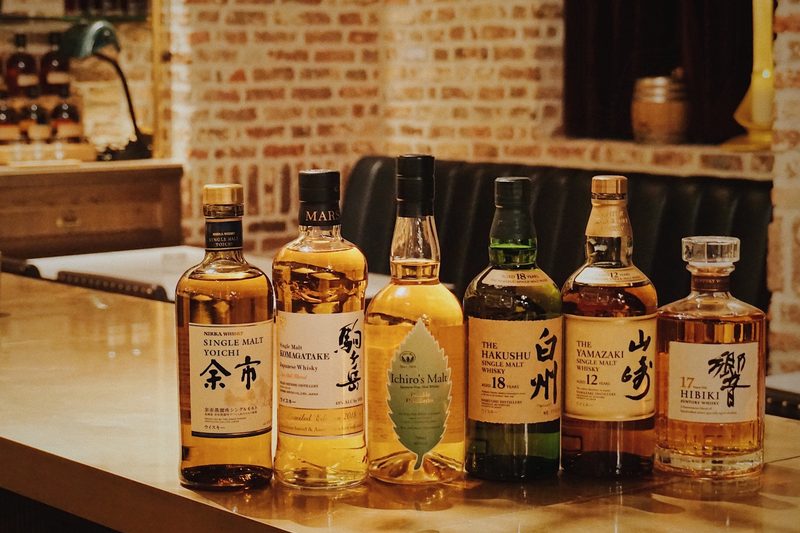
One of the biggest reasons a bottle of whiskey goes bad is oxidation. While oxidation is good for aging, it’s bad for bottled whiskey. Air getting into a whiskey through a faulty cork or an opened bottle can cause oxidation, making your whiskey taste less flavorful or simply bland. It can also add bitter, sour, and vinegar-like flavors. Overall, it’s not something you’d want to drink.
Extreme temperature fluctuations can also affect the quality of a whiskey. The ideal temperature for storing whiskey is around 55°F. If the whiskey is stored somewhere too cold, it will taste watery or lack flavor. Whiskey stored in hot conditions will not only negatively impact the flavor but might also cause the cork to expand and be damaged.
Sunlight can also affect the flavor of a whiskey. Not only does storing whiskey in direct sunlight break down the molecules that create the aroma and palate, making it less desirable, but it can also lead to evaporation.
Bottom line

To avoid your whiskey going bad, you should always store your bottles upright (to prevent cork degradation) in a cool (55 degrees), dark place. Leave them unopened until you plan to drink them. Then, finish the bottle within a few years or risk it changing for the worse over time.