Big Guns Coffee, a veteran and family-owned brand doing something new in the coffee space: building indoor hydroponic coffee farms. Unlike traditional coffee farming, which relies on soil, altitude, and climate, hydroponic coffee farms allow growers to grow coffee indoors using a nutrient-rich water system. With control over the precision of light, temperature, humidity, and CO₂ levels, Big Guns Coffee is replicating the world’s best coffee-growing conditions year-round.
To learn more about this innovative coffee-growing technique, I chatted with T. Shane Johnson, Founder of Big Guns Coffee. Here’s what he shared.
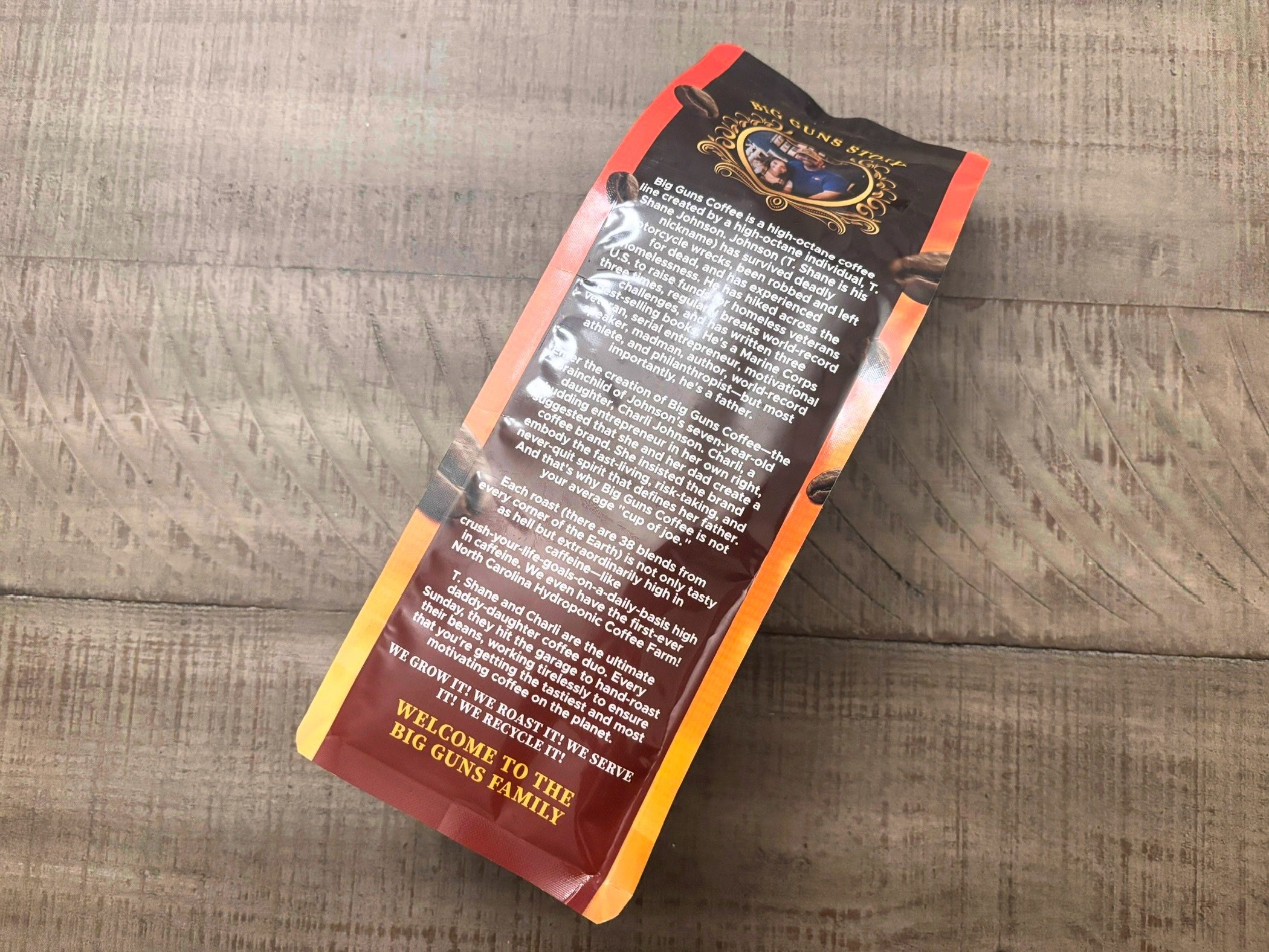
The Big Guns Coffee story
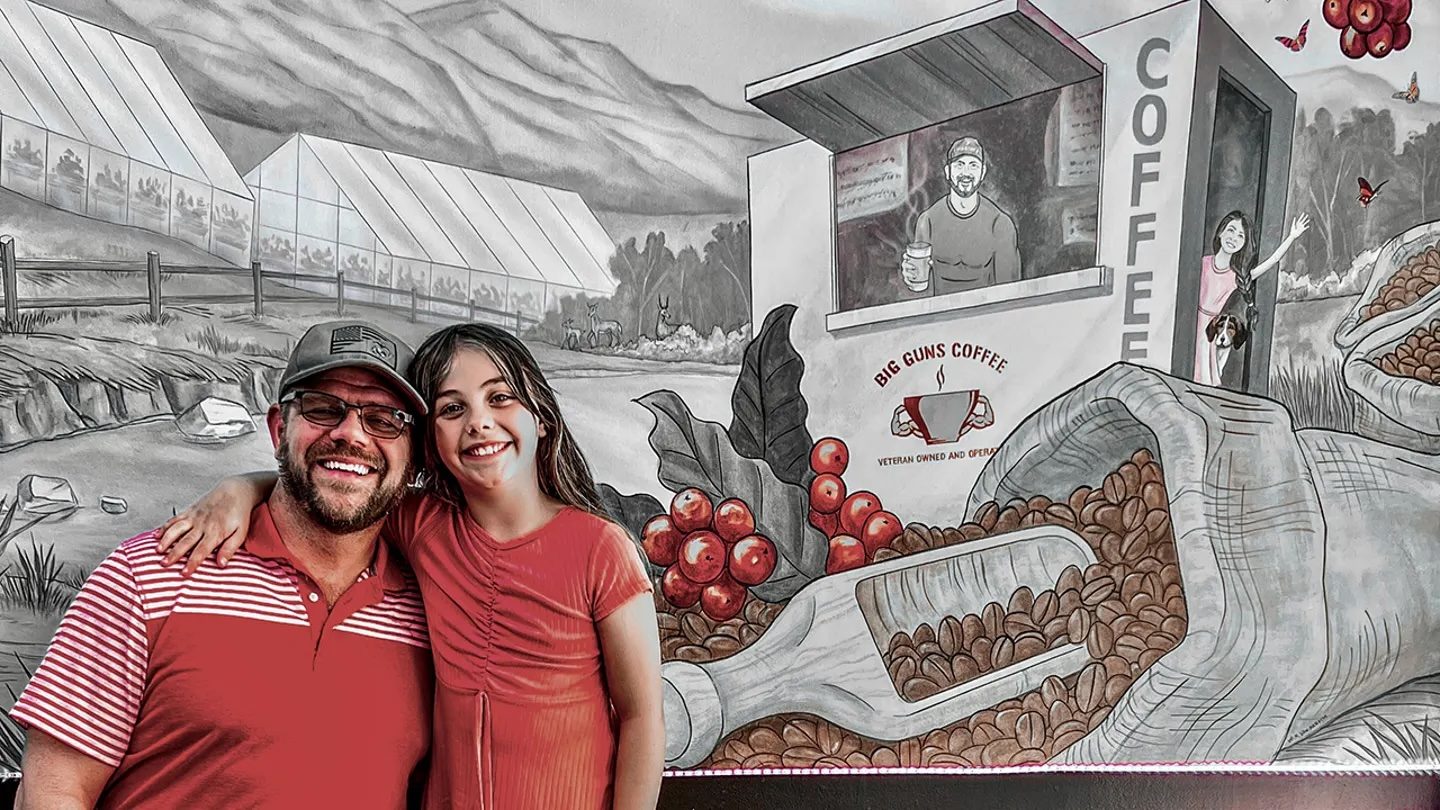
Born out of a passion for coffee and the desire to build something meaningful with his daughter, Johnson founded Bigs Guns Coffee in 2021.
“I saw how much the U.S. depends on imported coffee and how climate change threatens traditional growing regions. That sparked the question: Why not grow coffee here at home? Hydroponics gave us the answer—allowing us to create America’s first large-scale indoor hydroponic coffee farm,” Johnson shares.
“Charli isn’t just my daughter—she’s the founder and the heart of this company. She named her own roast, Charli’s Blend, which helps with branding, taste testing, and loves sharing our story. For me, it’s about showing her she can dream big and build something lasting,” he says.
Together, the team found a way to replicate the natural environment needed to grow coffee, which typically takes years to mature. The hydroponic coffee process uses precise technology, which includes advanced lighting, nutrients, and harvesting systems. Despite its unique growing process, the coffee has a rich taste that tastes just as good as coffee grown using traditional coffee farming practices. I used Charli’s Blend to brew the perfect shot of espresso.
Reimagining what coffee production can look like
“Just as indoor farming transformed lettuce and strawberries, it will transform coffee,” Johnson predicts. “Climate change is pushing traditional coffee regions to their limits. Hydroponics offers stability and sustainability. I believe the U.S. will see more hydroponic coffee farms, with Big Guns leading the charge.”
He notes that hydroponics uses up to 90% less water than traditional farms, eliminates pesticides, and prevents deforestation. “By growing locally, the brand can cut out the massive carbon footprint of overseas shipping. Even better, Big Guns Coffee is committed to zero waste by repurposing byproducts like coffee chaff and cascara into new products,” says Johnson.
“Our vision goes beyond just farming. We’re building a full coffee experience—from farm-to-cup cafés and roasting operations to franchisable models for the future. Most importantly, this is a family business about legacy. It’s not just about selling coffee—it’s about creating something bigger than us,” Johnson shares.
At the end of the day, Johnson is focused on providing an experience for consumers, highlighting that Big Guns Coffee is more than just coffee — it’s innovation, family, and American farming. “Every bag represents history in the making—the start of indoor coffee farming in the U.S.—and a mission built on sustainability and legacy,” he says.
As a Veteran, Johnson also shared that his time in the Marine Corps taught him discipline, resilience, and how to lead in uncertainty. “Building a new industry in the U.S. requires that same mindset: adapt, improvise, and overcome. That’s how we approach every challenge with Big Guns Coffee.”