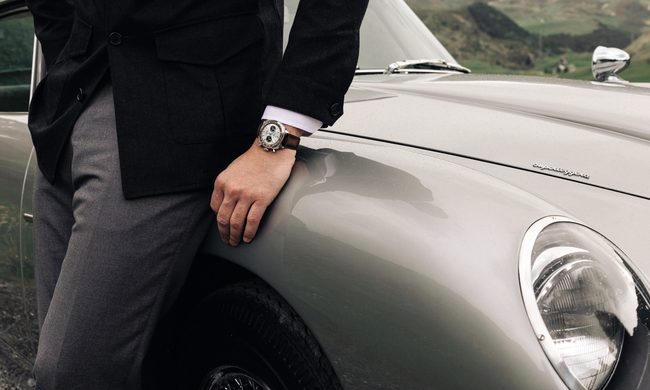
If you have been in New York City over the last month or so, you know there are a few flakes on the ground. With the weather as cold and as wintry as it gets lately, New Yorkers and everyone unlucky enough to be in the cold look for all the help they can get. When it comes to cold weather, wearing a suit feels like it is all about the overcoat. But there is another option to keep warm in the colder months, and my old friend, Alan Horowitz of Alan David Custom, sat down with me to talk through the ins and outs of one of the most iconic suit fabrics: The Harris Tweed.
For a fabric to be called Harris Tweed, it must be made from 100% wool and produced according to very specific standards. The wool must be dyed and spun in a prescribed manner, and the cloth must be woven following strict traditional methods. These requirements are enforced by law, which is what separates Harris Tweed from ordinary tweeds. – Alan Horowitz – Owner of Alan David Custom
What kind of man wears a Harris Tweed?
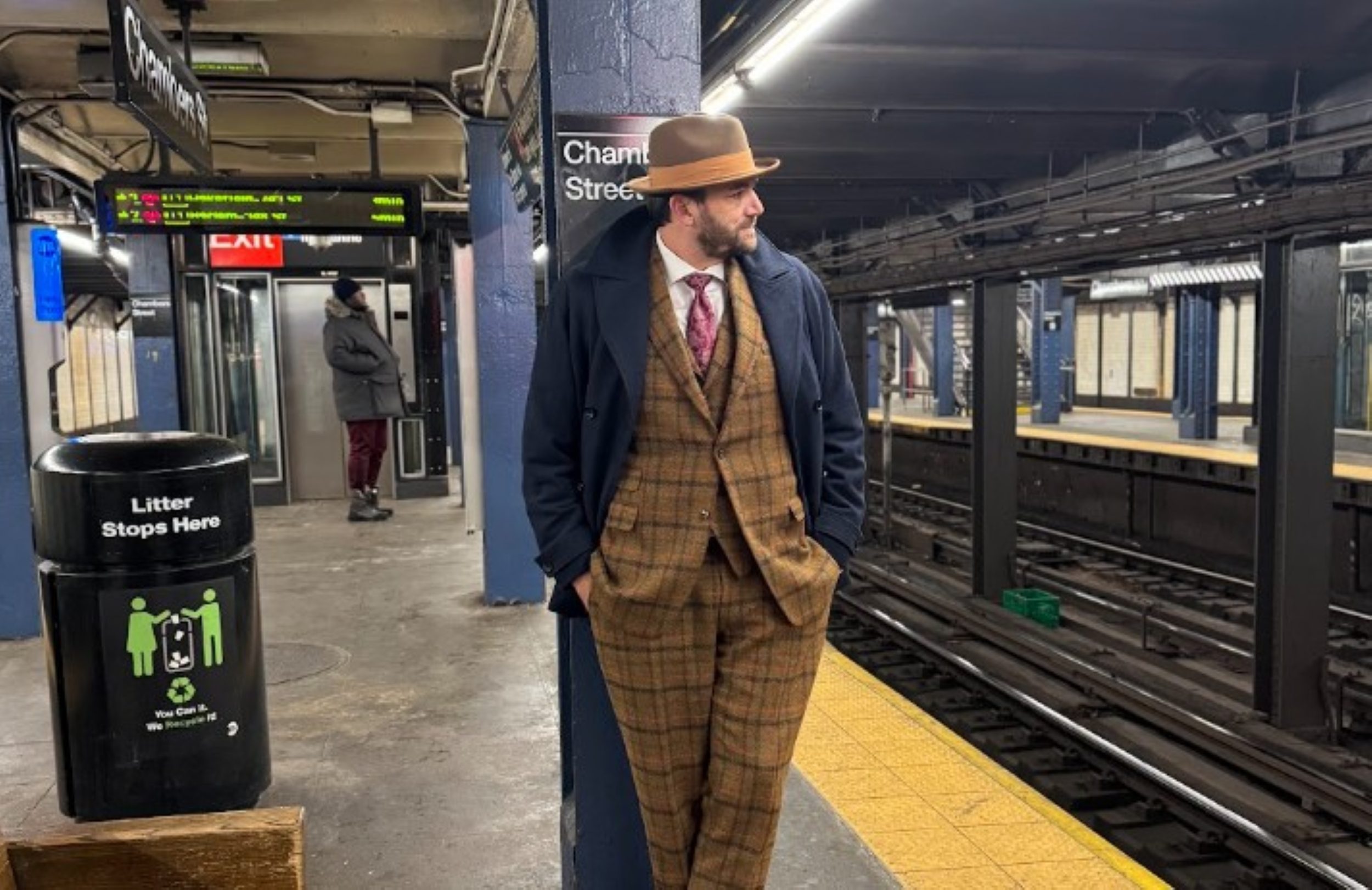
When I first started nerding out about the Harris Tweed suit, my first thought was that it was meant for the UK university professor. The academic who liked to look good but kept a casual flair to his look. Then I started thinking it was for the guy who was looking to go back to the old days of the fox hunts. Functional, yet stylish. Then Alan went down a rabbit hole with me to help me understand what kind of man reaches for the Harris Tweed when they are buying a custom suit.
“Harris Tweed is not for everybody. It’s a very conservative fabric and is much more about classic style over trends. This is not a cloth for someone who wants their clothing to stand out or make a loud statement. It’s for a man who values restraint, substance, and longevity. Typically, it appeals to a slightly older professional customer, someone who already owns proper, classic business suits and is looking for something different without going casual. Harris Tweed offers a refined, country-influenced alternative that works well on Fridays or outside the office. The appeal is subtle. It’s classic, almost painfully so, but without relying on loud windowpanes or bold plaids. It delivers character and tradition in a quiet, understated way.”
What should that man be looking for?
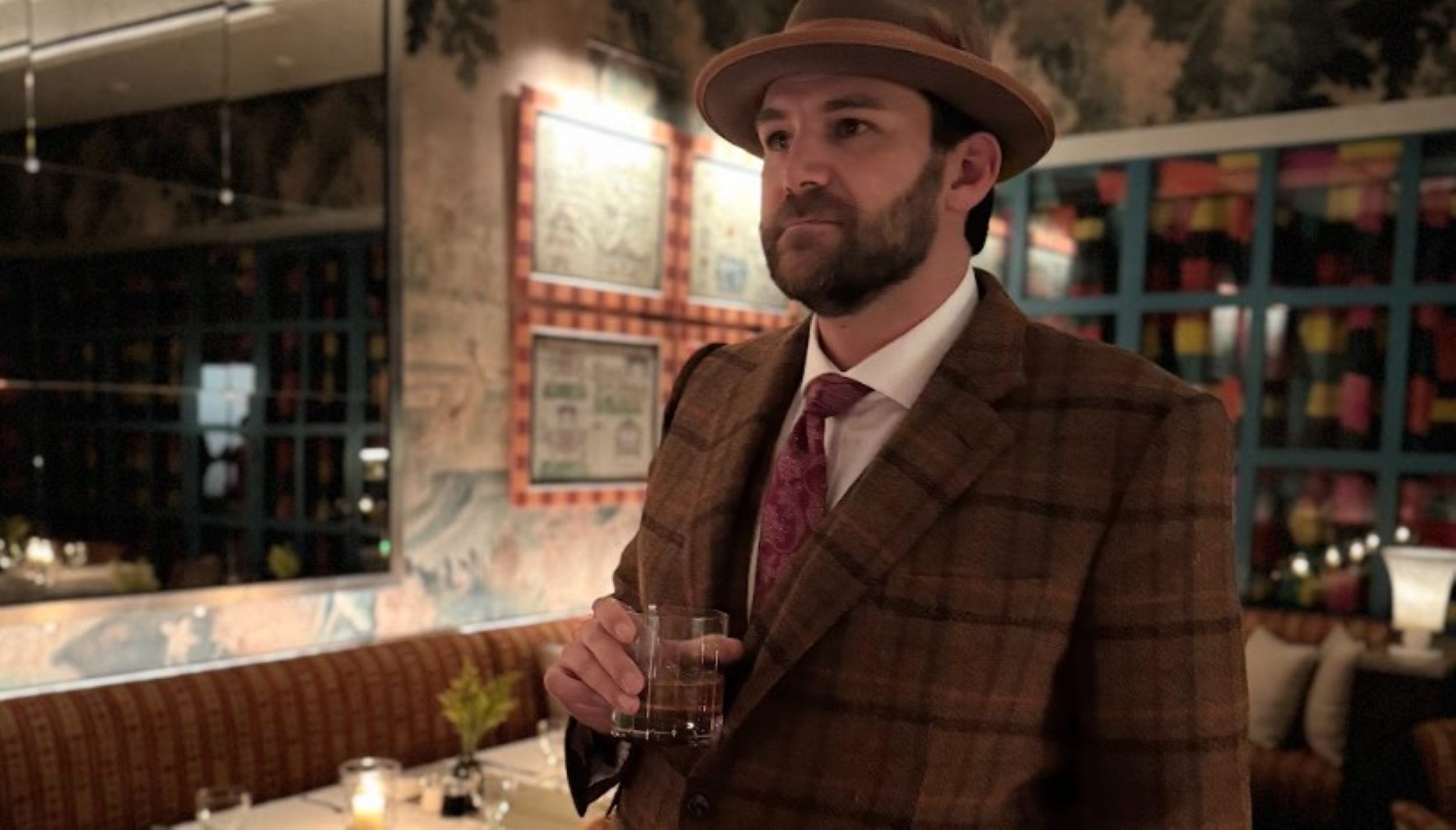
But now that I have decided I am the guy who reaches for a Harris Tweed, I need to figure out what I should be looking for to make sure the one I get represents me in the best way. Should I get a solid? A pattern? What color? How do I know it is a good quality fabric? What kind of details should I get in the suit since it is a very specific style for a very specific season? This is the kind of rabbit hole that many of us go down while trying to buy a suit. That is why having someone like Alan walk me through the process is such a godsend. Here is what he had to say about how to get the suit looking its best.
“Harris Tweed is naturally a heavier fabric, typically in the 14–16 ounce range, and that weight is part of its appeal. It gives the suit structure, durability, and presence. In terms of color, the most popular choice by far is a gray herringbone. Browns are a close second, followed by olives. Subtle checks in brown or olive tones work very well. Pinstripes should be avoided entirely. If the fabric is darker, a very muted windowpane in an earth tone can be an excellent option, as long as it stays understated. Construction details are critical. Harris Tweed looks best with a natural shoulder, no heavy padding, no roping, a slightly wider lapel, and flap pockets on a suit. Patch pockets work well if it’s a jacket. Trousers should never be tight. A medium-to-longer rise, a gentle taper, and a relaxed silhouette are ideal. Flat-front or pleated trousers can both work, depending on personal preference. Cuffs at the bottom of the trousers are generally a very good choice with tweed and help balance the weight of the fabric.”
Now, how does that man wear it with style in 2026?
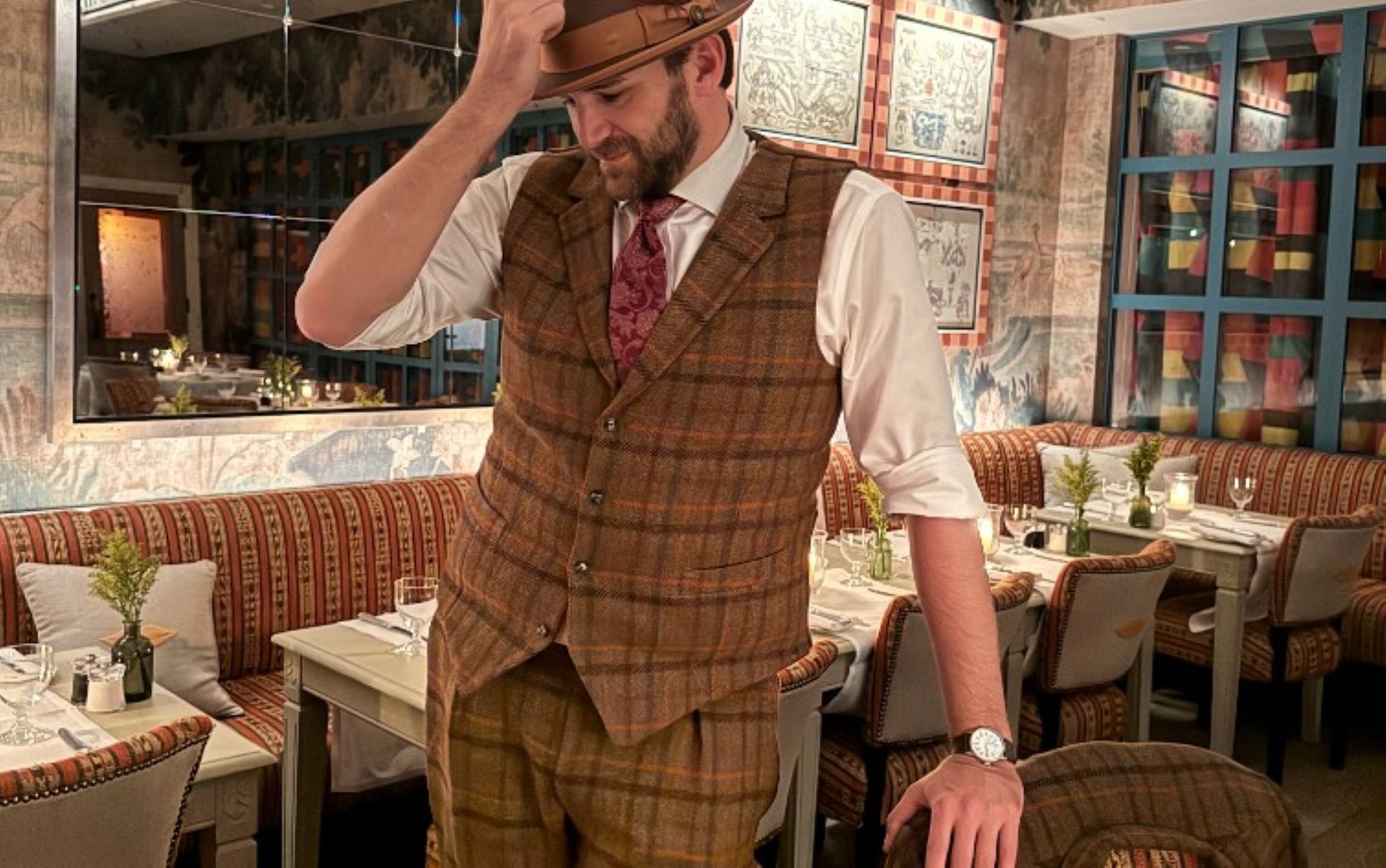
Now I am the right man, in the right suit. All that is left is to wear it the right way. If you know me, I am going to mix the mostly classic look with a little modern flash. And you know I wouldn’t be able to keep myself from wearing my trilby hat. There is nothing better than a great hat to finish off a great look. But, for everyone else, here is what Alan tells all his customers when they are stepping out into the world in their fresh Harris Tweed.
“In 2026, Harris Tweed should be worn in a clean, modern way, not styled like a period piece. It pairs best with a fine-gauge knit, not overly thin, but nothing chunky either. Cashmere or merino works particularly well. When wearing a shirt, keep it classic. An Oxford cloth shirt is the strongest and most reliable choice. Footwear should always be understated. Shiny black or blue shoes don’t work with Harris Tweed. Suede, especially in brown or earth tones, pairs beautifully and complements the texture of the fabric. Harris Tweed jackets work exceptionally well when broken up and worn with flannel trousers, which helps keep the look modern and versatile. Seasonally, Harris Tweed is at its best in the fall and winter. It leans toward formal but social environments, dinners, events, and smart casual settings. It does not belong in a corporate boardroom.”
New York is snowy and cold, and a good, heavy Harris Tweed is what you need to make it through to the spring. If you are inclined to agree, go visit Alan David Custom, and Alan will get you in your brand new tweed suit that may or may not be your new personality.