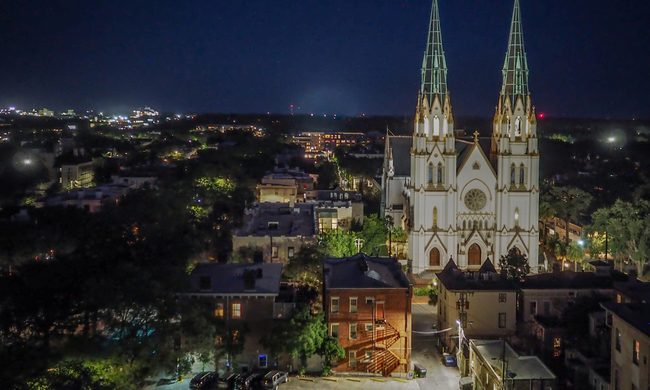
Recent FlightHub data points to a growing interest in “sleeper destinations” — but what does this really mean? According to Henri Chelhot, CEO of FlightHub, a sleeper destination isn’t just a hidden gem in the sense of a travel blogger. Instead, it’s a real destination that is still flying under the radar of most U.S. travelers. Sleeper destinations are those seeing increased demand but not quite as much as the bigger names — yet the experience on the ground genuinely competes.
As travelers begin to see peak summer fares to the usual summer destinations like Cabo or Mykonos, Cape Cod, and Asheville, some are starting to look beyond the basics. FlightHub’s data points to a growing appetite for under-the-radar destinations where flight prices stay low, crowds thin out, and the experience holds up against any bucket-list spot.
I chatted with Chelhot to get the scoop on a few summer travel sleeper destinations that are flying under the radar.
Mazatlán, México
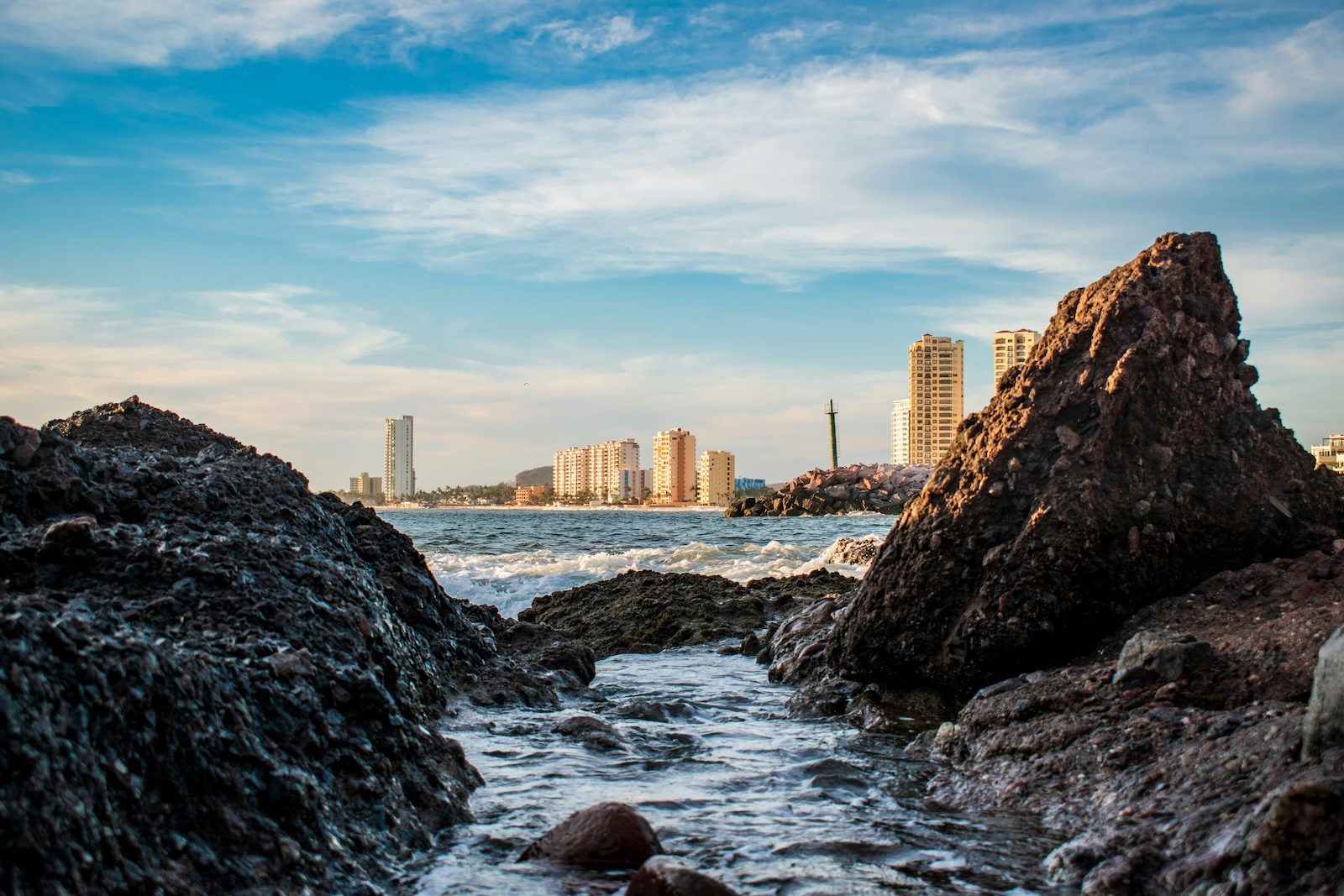
According to Chelhot, Mazatlán, Mexico, is one of the top sleeper destinations this summer, offering a Pacific Coast alternative to Tulum and Cabo. Mazatlán delivers the same beach payoff for travelers with far fewer crowds than more popular cities in Mexico. Many foodie travelers are also enjoying the culture here (similar to Cabo).
“Peak summer fares from major U.S. hubs run meaningfully below what you see for Cabo or the Tulum corridor, and the difference grows the closer you get to the date. Beyond price, the experience on the ground is calmer. The beaches are not packed shoulder to shoulder, restaurants do not require a reservation a month out, and the city itself has the kind of ‘malecón’ and old-town character a lot of travelers say they miss in the more developed resort areas,” he shares.
Halifax, Canada
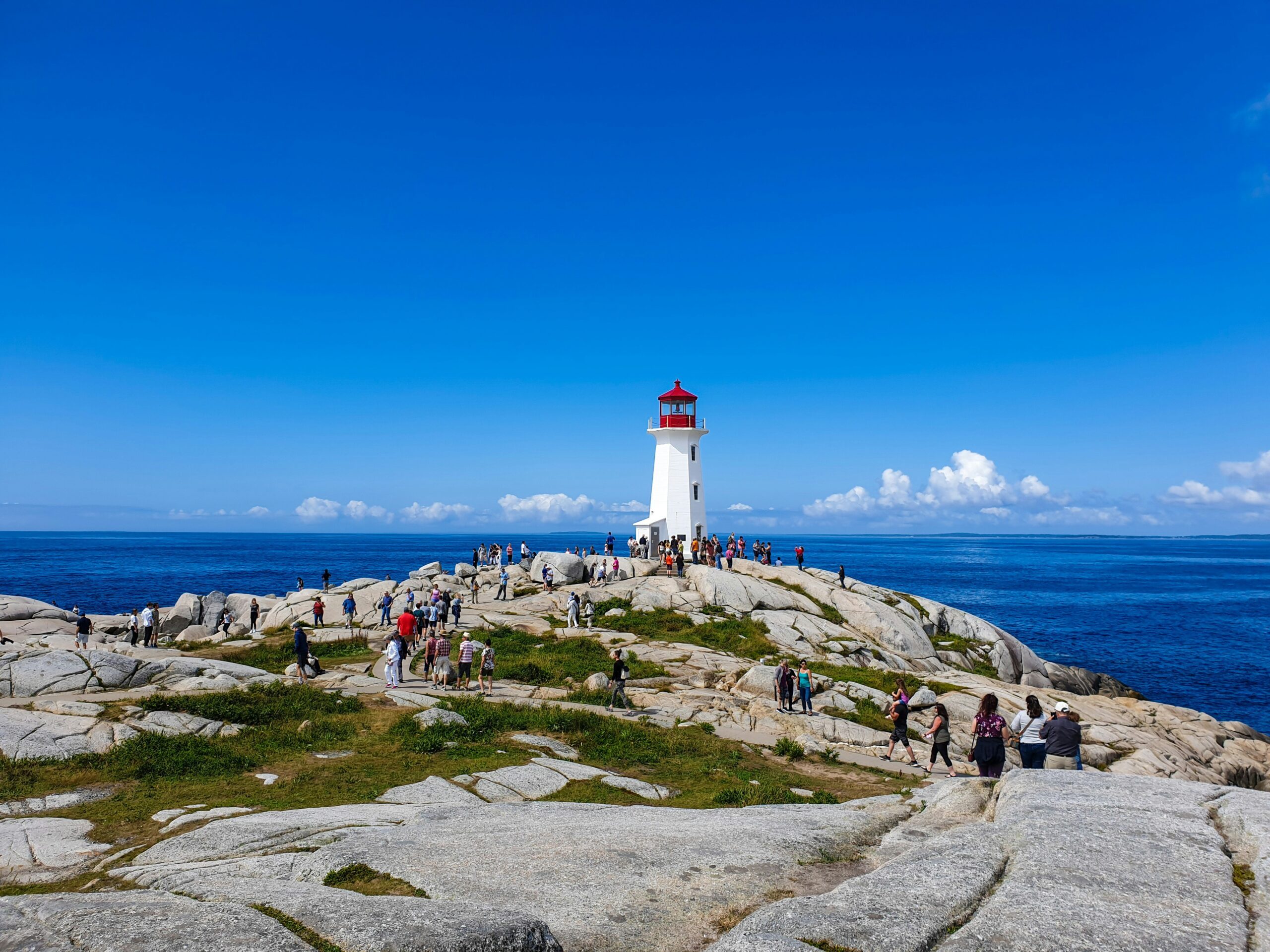
Halifax, Canada, is another destination that seems to be outperforming traditional New England beach destinations this summer. Per Chelhot, the growing appeal around Halifax starts with the fact that travelers are tired of overcrowded summer destinations like Cape Cod, the Hamptons, and the Maine coast.
“Halifax fills [a similar gap] remarkably well, he says. “It has the lobster shacks, the harbor towns, the rugged coastline, and the cooler summer weather that pulls people to New England in the first place. Fares have stayed reasonable, summer availability is still wide open, and it is an easy lift from most of the East Coast. For a lot of our customers, it has become the new version of the trip they used to take.
Svalbard, Norway

Isfjord Radio Adventure Hotel is about as far north as you can get before you are knocking on Santa’s door looking for a job making toys. Our own Mark D. McKee had a chance to check out this sleeper destination and has nothing but good things to say.
“The remote nature of this hotel is the whole reason it is somewhere you should check out. There is WiFi, but only for emergencies. This is a place that is made for disconnection. From a campfire overlooking the coldest sea you have ever encountered to plunging in it after a sauna, this is an adventure for all your senses. Oh, and you can’t walk from building to building without an escort…you know…for polar bear protection. No big deal,” he shares.
Taipei, Taiwan

Taipei is also emerging as a strong Asian value destination. “Tokyo and Seoul have become very popular with U.S. travelers, and fares have moved with that demand. Taipei has not seen the same surge yet. From the U.S. West Coast, summer fares are running noticeably lower than either of those hubs, and the city itself is one of the easiest first stops in Asia. It is safe, walkable, the food scene is exceptional, and it is a strong jumping-off point for the rest of the region,” Chelhot shares.