1. Home
  2. Travel
  3. News

New technology offers US citizens seamless entry back into the country

Dallas Fort Worth International Airport
Dallas Fort Worth International Airport Dallas Fort Worth International Airport / Dallas Fort Worth International Airport

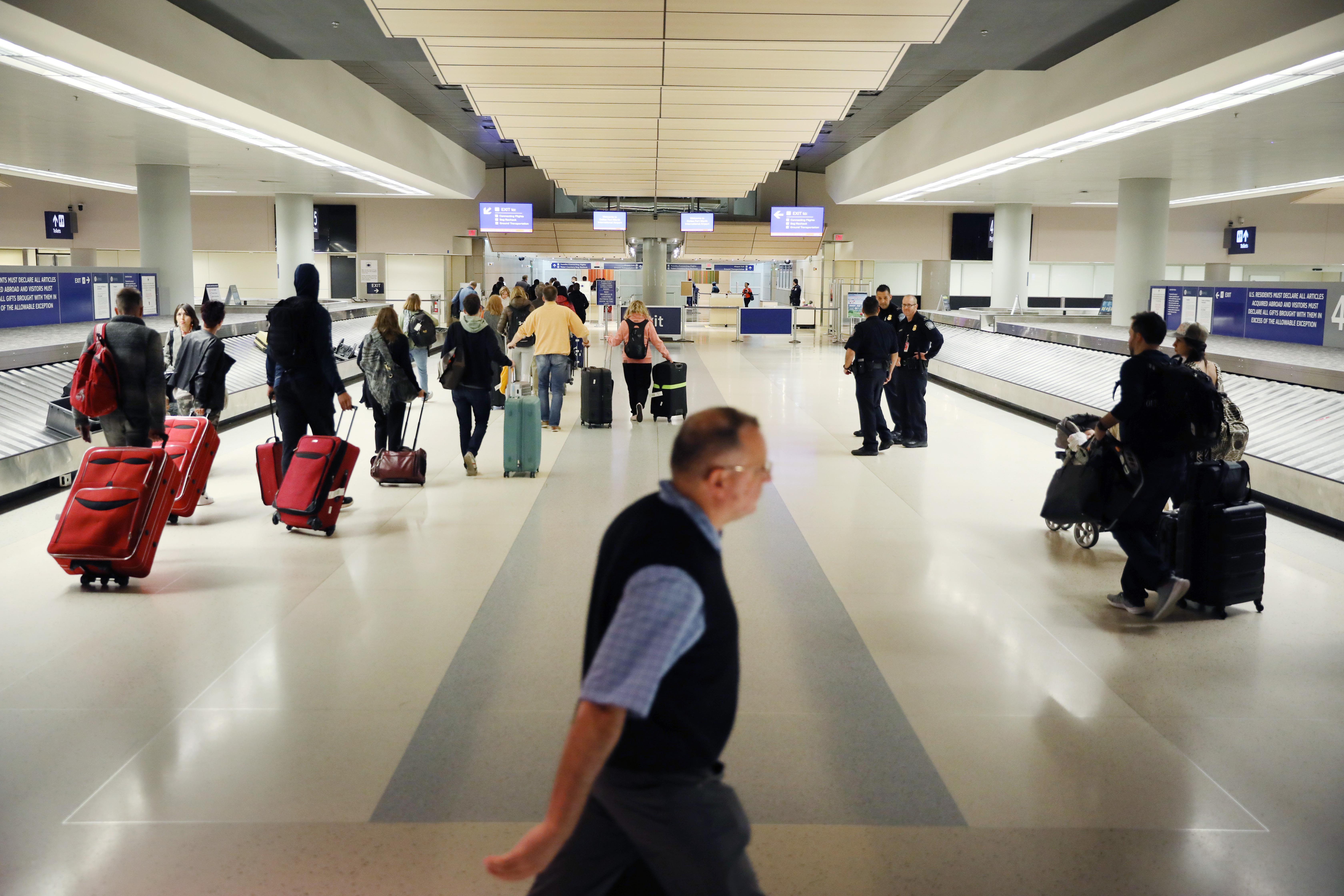
United States Customs and Border Protection (CBP) is expanding a new program, Enhanced Passenger Processing (EPP), which allows U.S. residents traveling internationally to have uninterrupted entry back home. The technology uses biometric scanning and high-tech software to clear travelers as they walk through the international arrivals area. Best of all, there are no application fees, memberships, or interviews.

The program is an even better alternative to Global Entry, which offers pre-approved, low-risk passengers a quick, smooth arrival back to the U.S. But even then, travelers have to stop at kiosks, and there’s a $120 nonrefundable application fee.

More details on Enhanced Passenger Processing

EPP rolled out nine months prior in Dallas Fort Worth International Airport (DFW). The trial produced excellent results, helping to lower passport control wait times by 25% for U.S. citizens. To use the service, passengers first have a photo captured by a tablet. After that, the technology compares the picture to visa or passport images saved by the CBP. According to The Points Guy, the process takes seconds.

Recommended Videos

Diane Sabatino, CBP Acting Executive Assistant Commissioner said: “It’s really a game-changer for us in how we welcome U.S. citizens back home to the U.S.” She added: “The entire process is touchless, it’s efficient, and it’s secure.”

In May, CBP added EPP at Orlando International Airport (MCO) and will now expand it to:

  • Los Angeles International Airport (LAX)
  • Chicago’s O’Hare International Airport (ORD)
  • Charlotte Douglas International Airport (CLT)
  • Hartsfield-Jackson Atlanta International Airport (ATL)
  • Denver International Airport (DEN)
  • Seattle-Tacoma International Airport (SEA)
  • Dublin Airport (DUB) in Ireland, with passengers screened before flying to the U.S.
Mark Reif is a storyteller focused on the intersection of outdoor culture, travel, and design. From the peaks of Banff to the… Read Full Bio
The 6 best places to unplug: U.S. analog travel destinations
Road, Outdoors, Nature

According to the #1 rated luxury travel advisor resource, Classic Vacations’ most recent 2026 Summer Travel Forecast, 67% of travel advisors say their clients are booking vacations simply to rest and relax, a sign that today’s travelers are embracing slower, more intentional getaways. The outdated concept of “go, go, go” vacations doesn’t always hold true anymore, as travelers begin to adopt the mindset that “analog travel” can sometimes be preferable.

Analog travel is a trend centered on disconnecting from devices and reconnecting with local culture, nature, and immersive experiences. While not every analog travel destination is the same, many U.S. analog travel destinations share common characteristics such as a heavy focus on nature, culture, or human connection-style activities, fewer crowds and less commercialization, and a slower pace that encourages mindfulness. There are many types of this style travel that can be geared towards your unique travel preferences, such as a reading retreat getaway for the bookworm to a stargazing adventure for nature lovers.

Read more
Rox Resort is the coastal escape I’d recommend to anyone visiting Copenhagen
Rox Resort

When people plan a trip to Copenhagen, they usually fill their itinerary with colorful harbor views, Michelin-starred restaurants, and endless bike rides through the city. What they often don’t plan for is slowing down.

That’s where Rox Resort comes in.

Read more
Imperial Hotel Tokyo review: The Jewel of the Orient Still Shines
Chair, Furniture, Architecture

A highlight of my last trip to Japan was sampling the country’s remarkably diverse styles of lodging. The first week found me in rustic ryokan, sleeping on tatami mats, slipping into a yukata, and soaking in geothermal baths beneath the stars. Later, in Nara, I stayed in a lovingly restored machiya, a 19th-century merchant townhouse converted into a boutique inn.

In Tokyo, I checked into Imperial Hotel Tokyo, Japan’s iconic Western-style grand dame. Nicknamed the Jewel of the Orient, it has welcomed foreign dignitaries, captains of industry, and Hollywood stars since 1890. It’s Tokyo’s answer to New York City’s Plaza Hotel—a venerated institution synonymous with opulence, impeccable service, and timeless elegance.

Read more