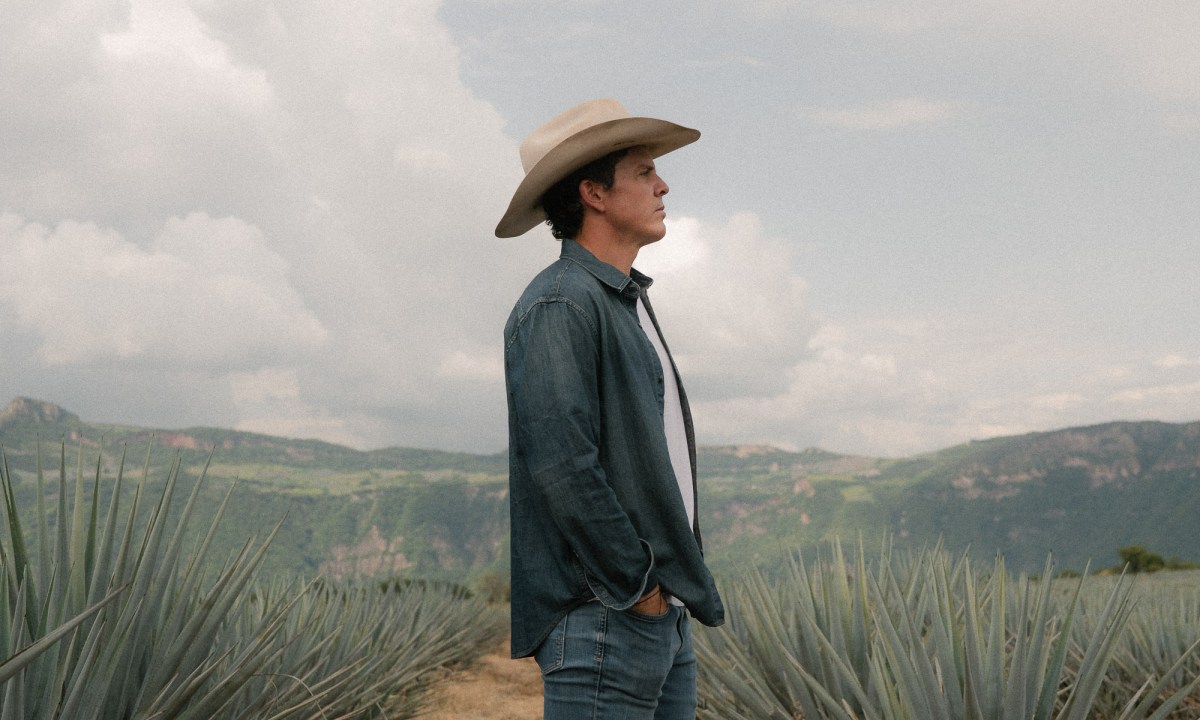
Enough celebrities have started tequila brands that it may as well be its own Oscar category. So when a new brand emerges with local roots and family history, it’s more than the refreshing taste. “We’ve been growing agave for four generations,” says Fernando Pérez Ontiveros, founder of Laelia Tequila. “Starting with my great-grandfather, our heritage is in the Amatitán. And in 2018 I was the first generation to start distilling. We are 100% family-owned and 100% Mexican.”
Laelia is named after an orchid native to the region, and Ontiveros thought it would make the perfect symbol for his new tequila. “It’s a wildflower that grows in the Amatitán,” says Ontiveros. “It’s known for its beauty but also its resilience. It was used by our ancestors in celebrations and to communicate with the gods. And we find them right where we are cultivating our agaves.”
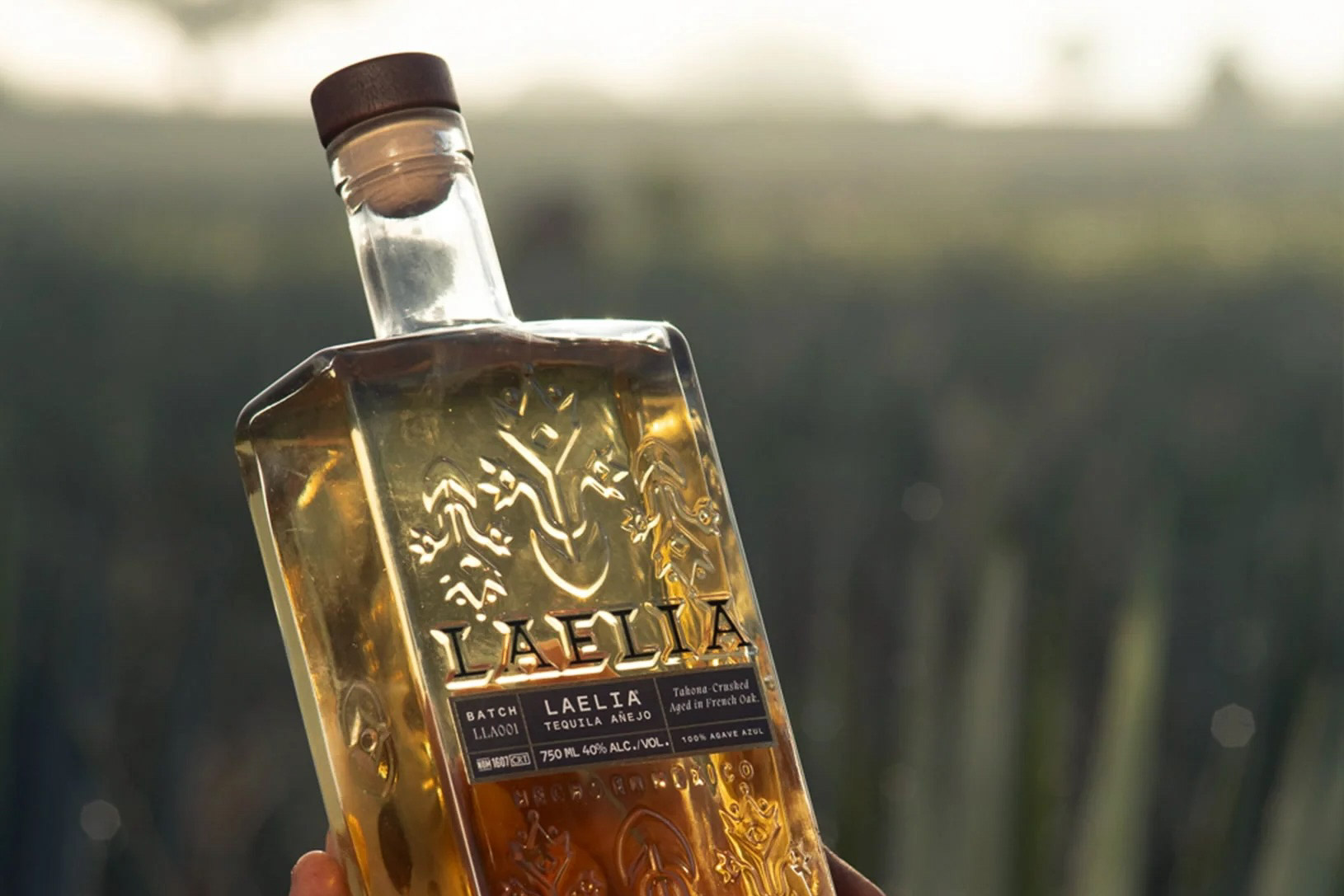
To craft the tequila, Ontiveros turned to Master Distiller Carlos R. Huízar, with over 30 years’ experience in the industry. The directive was simple: “We have a responsibility to maintain traditions,” says Ontiveros. “Tequila is the part of our culture that now represents Mexico around the world.” To that end, Huízar turned to methods used in many high-end distilleries — cooking in brick ovens, crushing with a tahona wheel and double distillation in copper pot stills — but also one technique somewhat rarer these days. “We rely on natural fermentation,” says Ontiveros. “Many tequilas use specific yeasts to achieve the notes they want. In our case, we just want everything influenced by the terroir.”
For Laelia Blanco, Huízar rests the tequila for ten days in American oak, which Ontiveros says gives it a natural smoothness while retaining a strong agave presence. But for the Reposado and Añejo releases, Huízar turns to French oak instead. “For the aged expressions we think the French oak is more respectful of the original juice you put in,” says Ontiveros. “It takes longer to add the vanilla and caramel notes, so it keeps the soul and identity of the tequila with a balanced amount of wood presence.”
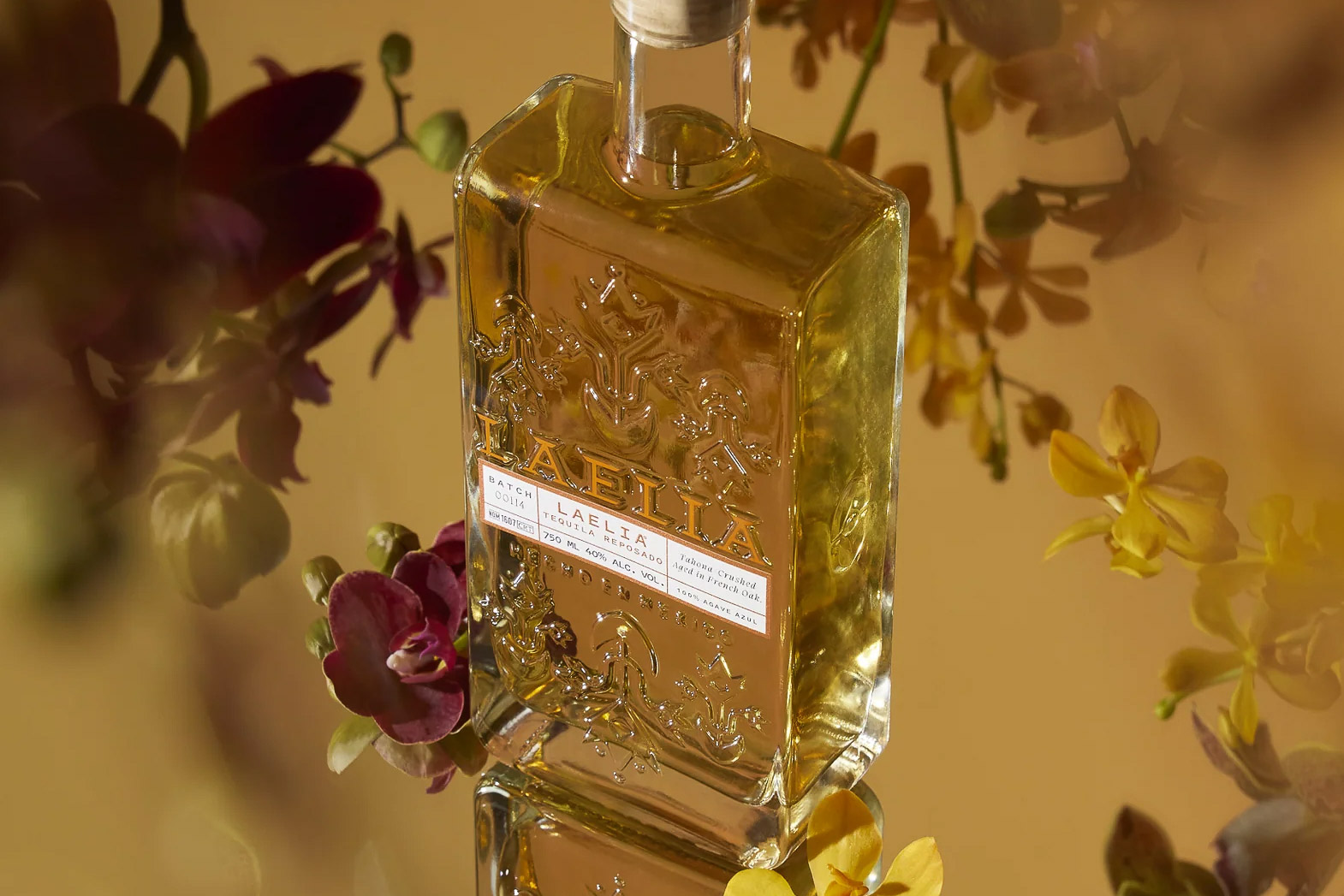
Huízar and Ontiveros chose five months of aging for the Reposado, and thirteen months as the perfect amount of aging for the Añejo. “We feel that time gives the right amount of wood without losing the heart of the Blanco that started everything.” While the liquid used for the Blanco releases goes into the American casks for its short aging time, the Reposado and Añejo juice go straight into the French oak.
While making the actual tequila is the most important part, Ontiveros put thought into other aspects that would make Laelia stand out in a crowded field. “So many people are now interested in tequila, and they want to try new things, but they also want to know what is behind every brand,” says Ontiveros. “Let’s start with our production process. We’re one of the largest private agave growers in Mexico. We own all our lands and supply all of our own agave. So that gives us trustworthiness. We control 100% of our production chain from agave to glass. And that’s something we’re proud of.”
Sustainable practices are also important to many customers, so Ontiveros wanted to distinguish Laelia in that area as well. “We have a biomass boiler that powers the heat and steam for the distillery,” says Ontiveros. “All the waste we generate from the agave goes there. We have solar panels that generate 50% of our electricity. And then we have side projects, like using our fiber to make our cases for shipping. Next, we are working with water treatment to reuse our water from the distilling process.”
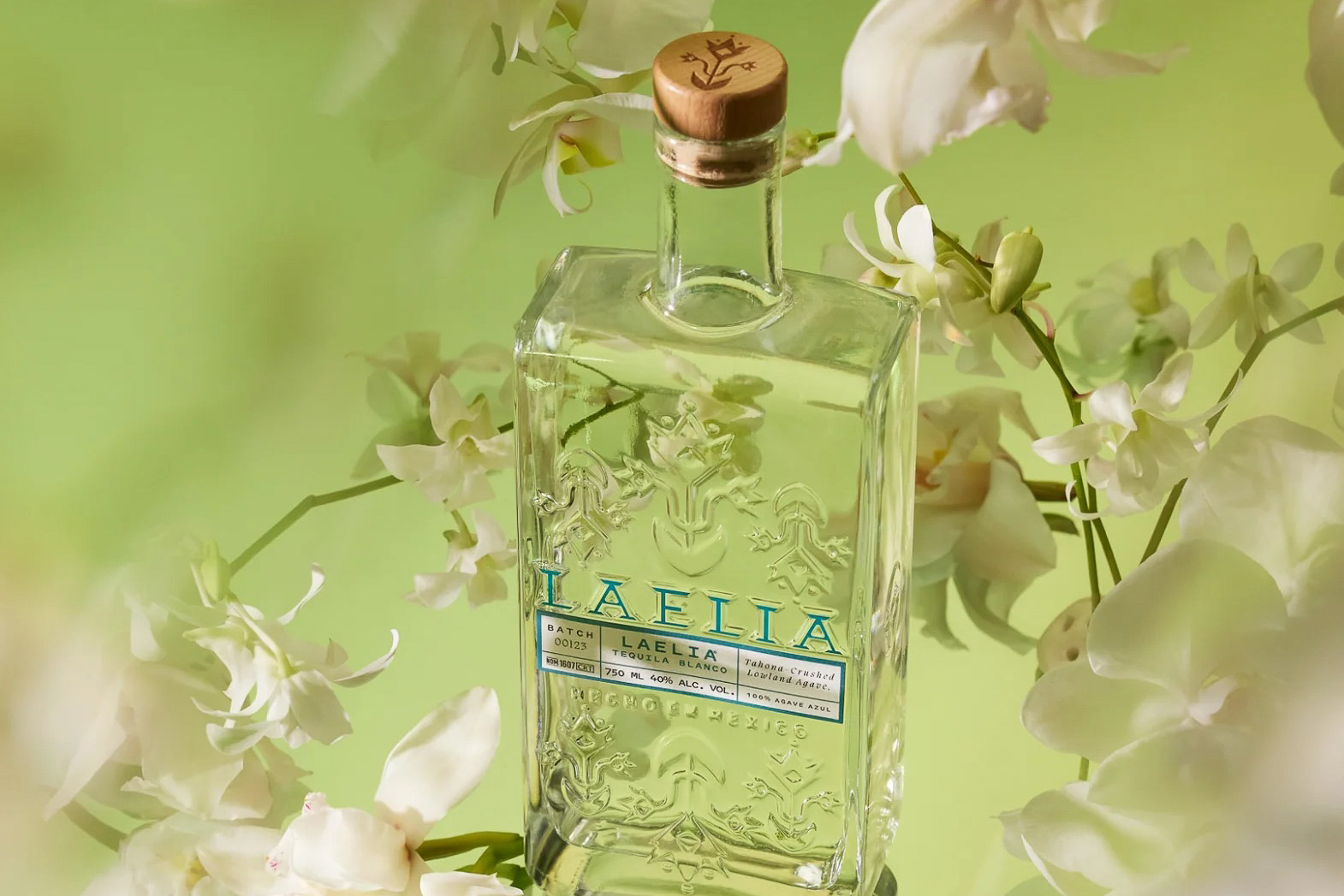
And as for all the American companies that have come to Mexico to make tequila, Ontiveros sees them more as ambassadors than competition. “Yes, there are a lot of foreigners making tequila,” says Ontiveros, “but they’ve also helped create and grow this category in the United States and around the world. There’s profit being made outside Mexico, but there are also more people drinking tequila. And as I always say, once someone is a tequila drinker it’s easier for us to convince them to drink Laelia.”
Ontiveros also points to another big difference in his brand. “We built Laelia to start a legacy in the family. We’re not growing this so it can be sold to the highest bidder in five years if it should take off. I will pass this to the next generation of my family, and it will be kept Mexican. Becoming a distiller has helped me see what I grow turn into a finished product. We have over a thousand people employed in the fields and at the distillery — so it’s like everyone’s hands taking care of that glass of tequila. Which is something we feel proud of.”