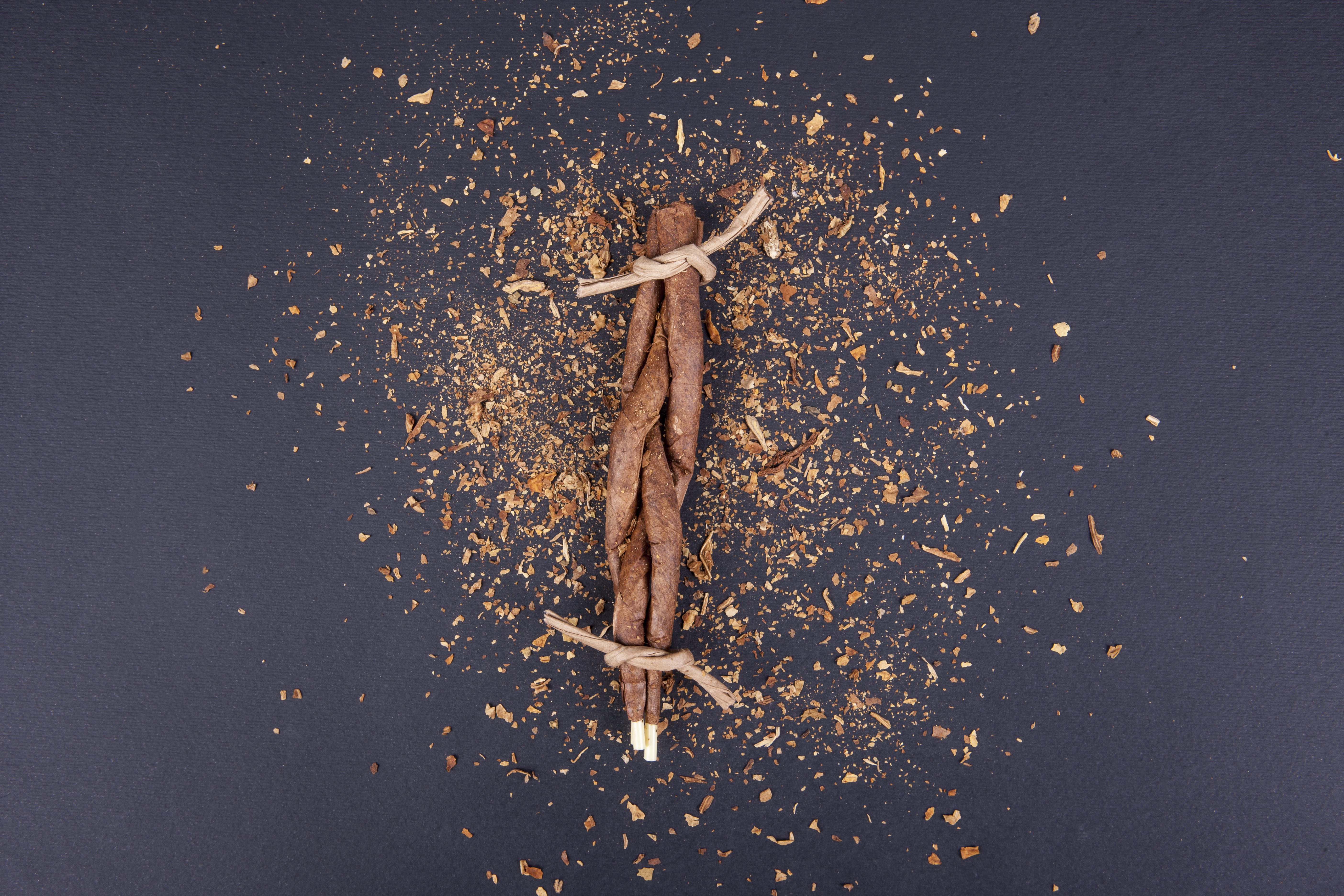
All cigars really look the same–long, straight, and round. And then you spot a culebra cigar, and you’re like, ‘What the heck is that?’ It looks like someone took three cigars and braided them together like hair into one. And that’s precisely what it is.
‘Culebra’ means snake in Spanish, which is appropriate when you see one. These strange, spiralled cigars have existed for over 100 years and continue to be some of the weirdest, most eye-catching things you’ll encounter in the cigar universe. They don’t just look different–they’re different in almost every respect.
What is a culebra cigar?

A culebra isn’t just one cigar. It’s three skinny cigars braided and banded together. All three of the cigars are panetelas—that’s merely a fancy name for a long, skinny cigar. And when you braid three of them together, you get a culebra.
These suckers are typically 5 or 6 inches in length. Every single cigar features what’s known as a 38 ring gauge, which essentially means it’s on the thin side for cigars. Think a pencil vs. a marker – panetelas are more like the former.
Once they are braided and tied up, they dry and maintain that twisted form. You can pull them apart and smoke them individually, or, if you’re feeling nuts, you can try to take down two or all three at once.
How they are made
Making culebras is tricky. You can’t simply take three plain cigars and twist them up — they’d snap and crumble before your very eyes! Cigar makers have to take a different route with this type.
They start with loosely packed cigars and keep them a bit moist. This makes them bendy, so they don’t snap when wrapped around each other. Then, they hand-braid the three cigars together—like braiding bunches of hair.
Once they’re all twisted up, they tie the ends with ribbon or string to hold them together. Then, they let the whole thing dry out so it maintains its shape.
A few companies get creative with this. Davidoff does culebras, where each of the three cigars is actually a different blend. So, when you split them, you have three unique smokes instead of three of the same.
Origin of the culebra cigar
The history
No one knows who invented culebras first. Two different narratives exist, and they may both be accurate.
One legend has it that they began in the Philippines and a few US tobacco factories in the 1880s and 1890s.
Vintage newspapers and trade magazines from the period reference them, so we know they were there. But there’s a more interesting Cuban story. Based on this story, Cuban cigar factory owners were fed up with their employees stealing their quality cigars.
So they found a smart solution—they gave the laborers these strange braided cigars that no one would buy on the street. The twisted shape identified them clearly as “factory only” cigars that couldn’t be sold on the black market. Is this story true? Maybe. Sounds like it might be, but no one can prove it. Cigar stans consider it more of a fun backstory than actual history.
Cultural significance
Culebras are the stuff of legends in cigar lore. They’re not just some random cigar you yank on. They’re more like an event.
When you whip out a culebra, it gets attention. They ask questions. They want to hear what you’re up to.
These cigars turn up at celebrations and are excellent gifts for the avid cigar lover. There’s a certain ceremonial vibe to it — untying the ribbon, separating the cigars, choosing your first one. It’s like a little ritual.
The smoking experience

How to properly smoke a culebra
There are two ways to smoke a culebra, and both are right.
The clever way is to first part them. With a knowing flick, loosen the ribbon, delicately separate the trio of cigars, and tuck two back in your humidor for a rainy day. And then puff away as you would any other stogie. That way, you don’t waste a thing, and every cigar burns right.
The dramatic method is to puff two or all three simultaneously. Some say it’s because it’s flashy, and you get a harder hit. But beware—this quickly becomes complex and regrettable. Fast. Several cigars burn too hot, too quickly, and it’s hard to juggle them all!
Most specialists suggest splitting them first. Either way, straight-cut each cigar, light it gently, and savor the moment. These skinny cigars burn quicker than the fat ones you’re used to.
What they taste like
Because culebras are made from thin cigars that aren’t packed super tight, they’re different-tasting from bigger cigars. You’ll taste them sooner, but they won’t be as enduring. It’s the difference between a nibble and a feast.
And if you have one of those fancy culebras where every cigar is a different blend, you’re in for a special treat. Each will smoke differently, so it’s like a tasting flight of cigars all in one box!
Since they’re not stuffed as compactly, culebras tend to smoke cooler and more smoothly than heavy, dense cigars. New cigar smokers often find them easier to manage — even if the weird shape is scary at first.
Why culebras matter
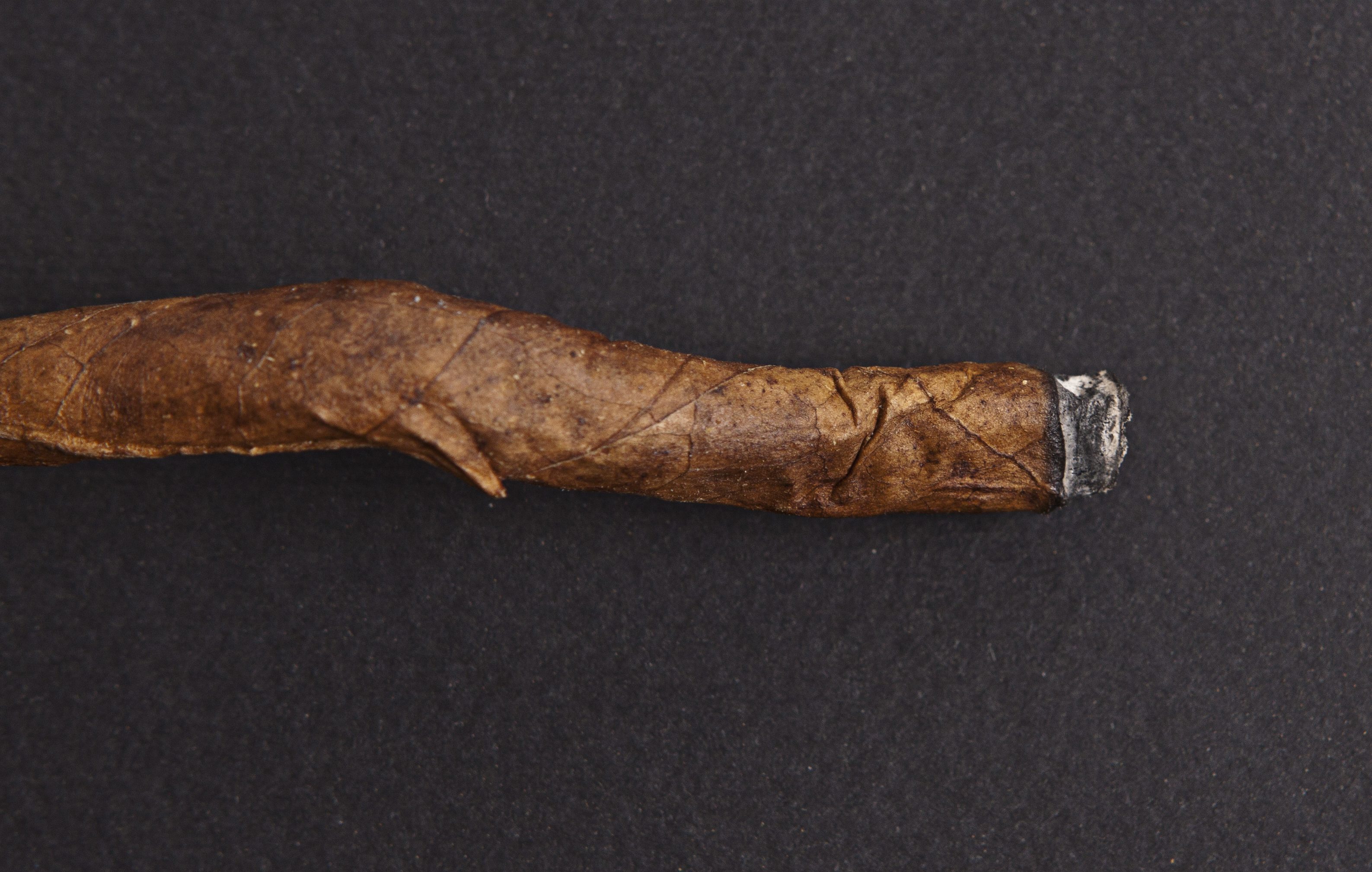
Culebras are a thing you don’t see much of anymore—authentic handicraft. In a world where nearly everything is made by machine, for cheap and fast, culebras are still made painstakingly by hand, one at a time.
This is what makes them almost rare and precious. Collectors adore them because they’re unique, beautiful, and excellent conversation starters. They’re great gifts for hardcore cigar aficionados–something that will be remembered long after it’s smoked.
Where to find them today
You’re not going to see culebras at your local gas station, I’ll tell you that. These are boutique cigars that large cigar corporations produce in limited quantities.
Companies such as Davidoff would play around with limited-edition culebras from time to time. A few Cuban marques, such as Partagás, occasionally created them for special occasions. A few smaller cigar makers experimented with them as well.
When they do turn up, they’re often pricey and go fast. That’s because they require a lot of effort to make, and not many people produce them.
Taking care of culebras

Storage tips
Store culebras like any other fine cigars—approximately 65-70% humidity and 65-70°F. The dilemma is whether to untangle them immediately or leave them braided.
Most pros say to break them apart for storage unless you’re shooting to smoke them soon. After you unbraid them, allow the cigars to sit for a few days in your humidor. They need to relax after being wound up for so long.
Keeping them looking good
If you want to retain that sweet braids look (perhaps to impress your friend or for an event), keep them tied and don’t mess them. The twisted dried tobacco will hold its shape fairly well, but excessive handling can tear the wrapper or cause the whole thing to unravel.
For long-term storage, it’s advisable to part them. So once they’re separated, handle each like any other cigar—give them room, maintain constant conditions, and don’t bother them too much.
FAQs
Do you puff on all three together or individually?
Either way works, but pulling them apart first is simpler. I guess smoking three braided cigars simultaneously is badass, but it burns too hot and fast for most people.
Are they more robust or lighter than standard cigars?
Usually milder. But since they’re thinner and not as tightly packed, they have less tobacco—so less nicotine and a cooler burn.
Why are they twisted together to begin with?
Nobody knows for sure. Maybe it was to prevent theft in Cuban factories, or maybe it was just a neat marketing tactic for early American tobacco companies. The actual cause remains unknown; however, cigar makers continue to develop them because they are special and neat-looking.
The bottom line

Culebras are weird, and that’s what makes them awesome. They’re not for everyone, though–some folks dismiss them as nothing more than a gimmick, and the slim profile is not what every cigar smoker desires. But if you want to go totally wild, culebras provide an experience you can’t find anywhere else.
They are honest-to-goodness craftsmanship and tradition in a sea of mass-produced crap. In a business where “new” typically only means another brand name or a tweaked tobacco blend, culebras are truly, emphatically different.
Next time you see a culebra, don’t dismiss it as some strange novelty. Consider the craftsmanship that went into it, the heritage, and perhaps—just perhaps—undo that ribbon and find out what 100-plus years of twisted tobacco tastes like. Some experiences you’ll simply have to try for yourself.