1. Home
  2. Travel
  3. News

This under-the-radar capital just topped Europe’s authentic food list

Budapest beats culinary giants like Paris and Rome to claim Europe’s most authentic food scene

Budapest
Alizada Studios / Shutterstock

You might expect Paris, Rome, or maybe even Madrid to reign supreme when it comes to authentic European cuisine, but this year, it’s Budapest, Hungary that takes the culinary crown. According to new research from travel company Saga, the Hungarian capital was just named Europe’s most authentic food city, scoring an impressive 98 out of 100.

Saga’s study analyzed more than 5,000 restaurants across 125 European cities using Google reviews, specifically tracking how often diners mentioned the words “authentic” and “traditional.” They also factored in overall customer ratings to find the places where local flavor truly shines through. The result? Budapest beat out some of Europe’s most famous food destinations, and foodies are officially taking note.

Recommended Videos

At the heart of Budapest’s food culture is one key ingredient: paprika. It shows up in everything from the country’s iconic Goulash (Gulyás), a hearty beef stew, to the beloved Chicken Paprikash (Csirkepaprikás), a creamy, comforting classic that’s practically a national treasure. 

Beyond the stews, Budapest’s street food scene is thriving too. Grab a lángos (deep-fried flatbread topped with sour cream and cheese) from a market stall, or explore the city’s busy food halls for a true taste of local life.

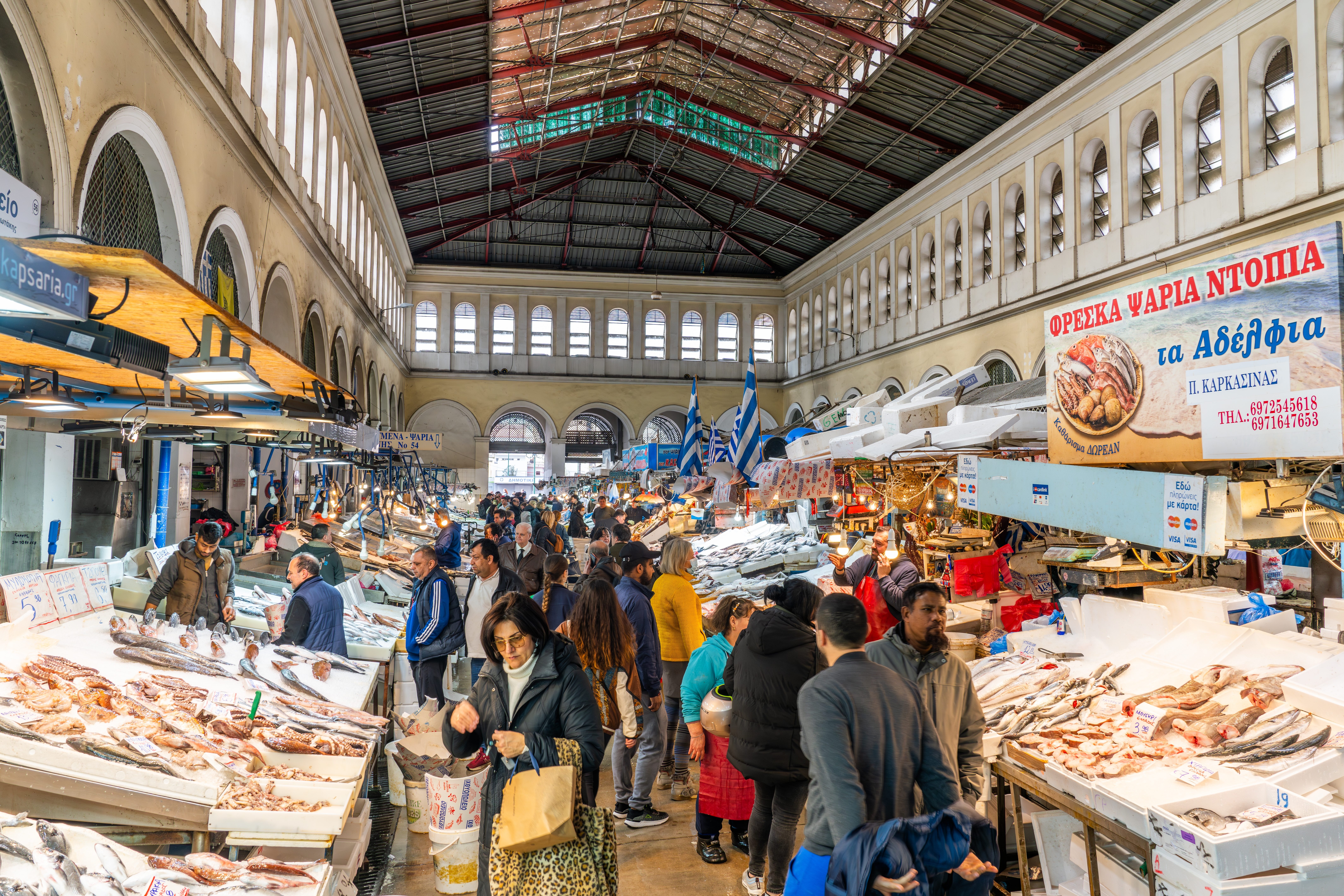
In second place is Piraeus, Greece (97/100), a port city overflowing with fresh seafood like mussels, golden fried bakaliaros (cod), and horta, a local favorite made from steamed greens like dandelion and wild spinach. 

Rounding out the top three is Athens (96/100), which snagged the highest review sentiment overall thanks to its lively tavernas and timeless dishes like gyros and souvlaki.

For those looking to escape the crowds, Heraklion, Greece, was ranked the most authentic off-the-beaten-path food city, followed by Vila Nova de Gaia in Portugal and Pula in Croatia. The list also features Thessaloniki and Kalamata, reinforcing Greece’s reputation as a great off-the-beaten-path culinary destination.

And if you’re lucky enough to eat your way through Greece, don’t miss Avgolemono, a silky lemon-and-egg soup, or Fava, a smooth dip made from yellow split peas and spices. The best way to experience it all? Order meze, Greece’s version of tapas, and sample a little bit of everything. Because when it comes to authentic European eats, it turns out the best flavors might not come from where you’d expect.

Europe’s top 10 most authentic food cities
  1. Budapest, Hungary
  2. Piraeus, Greece
  3. Athens, Greece
  4. Vienna, Austria
  5. Krakow, Poland
  6. Prague, Czech Republic
  7. Valletta, Malta
  8. Warsaw, Poland
  9. Munich, Germany
  10. Milan, Italy
Amanda, an accomplished freelance writer from Columbus, Ohio, is a dedicated explorer of both the world and the written word… Read Full Bio
5 Tips If You’re Traveling With Cigars: I Learned No. 2 the Hard Way
Wood, Hardwood, Accessories

Traveling with cigars can be challenging if you’re not prepared. The lack of preparation can lead to your favorite cigars getting smashed from inadequate storage, or they can peel because they weren’t kept at the proper temperature, among other issues. Sometimes you do all the right things, and still come away shaking your head.

I’ve been smoking cigars for two decades now, and it’s not beneath me to admit that I’ve made plenty of cigar travel mistakes in that span, and as recently as two weeks ago. You live, you learn, and hope you don’t waste a stogie on the next trip. My most recent cigar travel mistake is what inspired me to share these tips. Sure, there are plenty of articles out there offering similar advice. But this list comes from a cigar smoker and writer who has visited six countries and about a dozen states in the last year alone. And in that time, mistakes were made, and lessons were learned.

Read more
The art of adventure packing: packing light but effective
Clothing, Coat, Jacket

If you are like me, you grew up with stories of adventure. Whether you were fans of fictional adventure like Indiana Jones and Alan Quartermain, or you loved the true-life accounts of Ernest Shackleton and David Livingstone, there is a deep pull to venture into the unknown. The desire to abandon the Mon-Fri 9-5 in search of something deeper. You could spend your time thinking about hopping a boat and sailing the seven seas like the pirates of old. You could look up at the elusive peak of a mountain and believe it begs to be summited. You could stare into the depths of a jungle and wonder what treasures it hides beneath its canopy. No matter what kind of adventurer you are, you need to be prepared for whatever the world throws at you. I have climbed Salkantay Peak and explored the jungles of Peru. I have scanned the plains of Africa in search of a giant cat (the prospect of which was much more comforting than the actual sighting and wondering if I was far enough away). And I have disappeared into the secluded areas of Svalbard. One thing that remained constant was the need for the right pack.

Here is what I learned when packing for my adventures.

Read more
Savannah Beyond the Postcard
Architecture, Building, Spire

Savannah is one of those cities that seems almost too easy to like. The live oaks are dramatic. The Spanish moss does exactly what it is supposed to do. The brick sidewalks buckle in all the right places. The houses look like they were designed by people who understood proportion, shade, and the value of a proper front step. Even the light seems to arrive with better manners than it does in most places.

I have a built-in advantage when it comes to Savannah. We have family there, so we have been back several times, not just once for the checklist version of the city. I have also done a photography workshop there, which is a terrific way to learn any city. You get up early, stay out late, and pay attention to alleys, doorways, ironwork, reflections, and the way a city changes when the tourists are still asleep.

Read more