Fashion taught us that luxury is no longer about owning more. Hotels now sell the thing people want most: recognition. Today, affluent buyers are paying for status and entry. Hotels provide both, and then pour the proceeds into marble.
This summer, Bryce Gruber recoiled at a $5,000 Bottega Veneta bag. Yet she went on to purchase Miu Miu ballet flats for $1,070 and described them as fair-priced. She said as much to The Wall Street Journal. Fashion arithmetic really should have its own department. Her reasoning is more solid than it first appears. A medium Chanel flap bag now sells for $11,700, which is twice its 2019 level. As handbags moved beyond reach, footwear became the new threshold into the house. At Mytheresa, shoes are now growing faster than handbags.
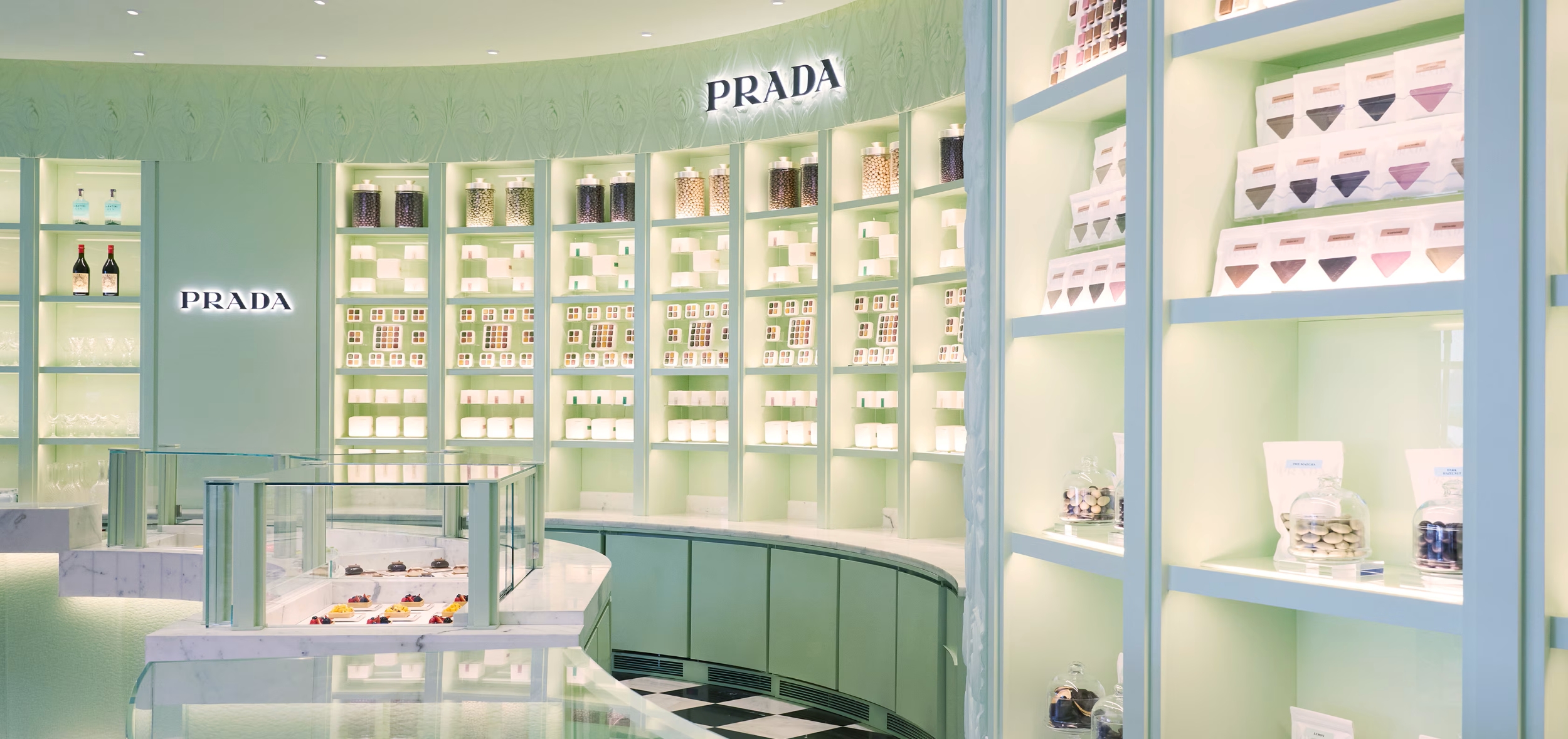
The customer who has been priced out of the bag still wants to belong. She wants the identity, plus the subtle acknowledgment from those who can identify the shoe. Miu Miu recognized the shift early. In 2025, retail sales climbed 35 percent, following a 93 percent jump in 2024, while Prada-branded sales fell 1 percent. The Prada Group has wrapped Miu Miu in film, a literary club and intimate cultural gatherings. Prada meanwhile launched hospitality spaces in Shanghai and Singapore.
Now set the shoes aside. This is really a hotel story.
In June, McKinsey and The Business of Fashion released a survey of more than 2,000 luxury consumers in the United States and China. Emotional connection now outranks craftsmanship, heritage and exclusivity as a source of desire. When asked where they would spend more, respondents placed travel ahead of every product category.
The report then identifies luxury’s newer rivals: boutique hotels, private clubs, wellness escapes and cultural institutions. If you run a hotel, read that list again. Fashion studies our guests and wants her time. Much of our sector still has not realized it. McKinsey includes one sentence every owner ought to pin above the capital plan. Craftsmanship and quality, it says, have become “the price of entry.”
Imported stone can get you through the door. The same goes for fine bedding, a capable spa and a polished bar. None of that, however, generates desire. Capital can purchase sheen, and anyone with financing can buy sheen. For years, hotels marketed luxury by the square foot: crystal chandeliers, gold faucets, floral displays with their own budget line, and lobbies large enough to land a regional jet. Each feature was expensive; each was easy to duplicate. The competitive set copied everything.
Skift Research tallied the outcome. Between 2014 and 2024, the six biggest U.S. hotel companies doubled their brand counts, reaching an average of 24 each. Since 2019, RevPAR growth has remained restrained. The industry produced more labels for the same rooms. The middle tier suffers most. Four-star, full-service hotels charge luxury prices while operating with select-service souls. They set rates without evidence, and guests can sense it before the elevator opens.
Thorstein Veblen coined conspicuous consumption in 1899. In 2017, scholar Elizabeth Currid-Halkett identified its quieter descendant, inconspicuous consumption. Loro Piana leaves off the logo. The Row does too. Bottega Veneta’s woven leather speaks only to those who recognize the weave. McKinsey puts the point more plainly: being recognized by the right people now matters more than being recognized by everyone.
Hotels still design for the louder signal. The modern guest can read a room in 30 seconds. She knows Phoebe Philo and Khaite, so she notices the stock playlist, the lobby fragrance every other hotel pushes through its vents, and the art that arrived by the pallet. Expensive materials without a point of view will not fool a fluent reader.
Skift also reported that 83 percent of American travelers would change hotel loyalty programs for better personalization. The industry has spent billions on points. What the guest wants is memory, which costs less and requires more.
Know which room I prefer. Know whether I drink tequila or tea, and whether I want conversation or silence. Know why I came. Stop forcing me to explain myself separately to the front desk, the restaurant and the spa, as though three different companies are operating them.
Luxury retail calls this clienteling. In China, McKinsey found that clients define exclusivity through bespoke service, private appointments and trusted advisers. The strongest associate at Hermès or Brunello Cucinelli builds a relationship through taste, timing and discretion.
Hotels once called that hospitality. Then we handed it over to a CRM that sends a birthday email and leaves an anonymous bottle of red with a printed card. Good software lets the bartender know your name before you sit down. The bartender still has to speak it with conviction.
Forbes Travel Guide assigns 70 percent of its star rating to service. Yet the industry keeps spending as if the solution were on the lobby floor. The real answer wears a name tag and works a double on Saturday.
The $1,000 flat points to a second truth. Luxury requires a lower rung.

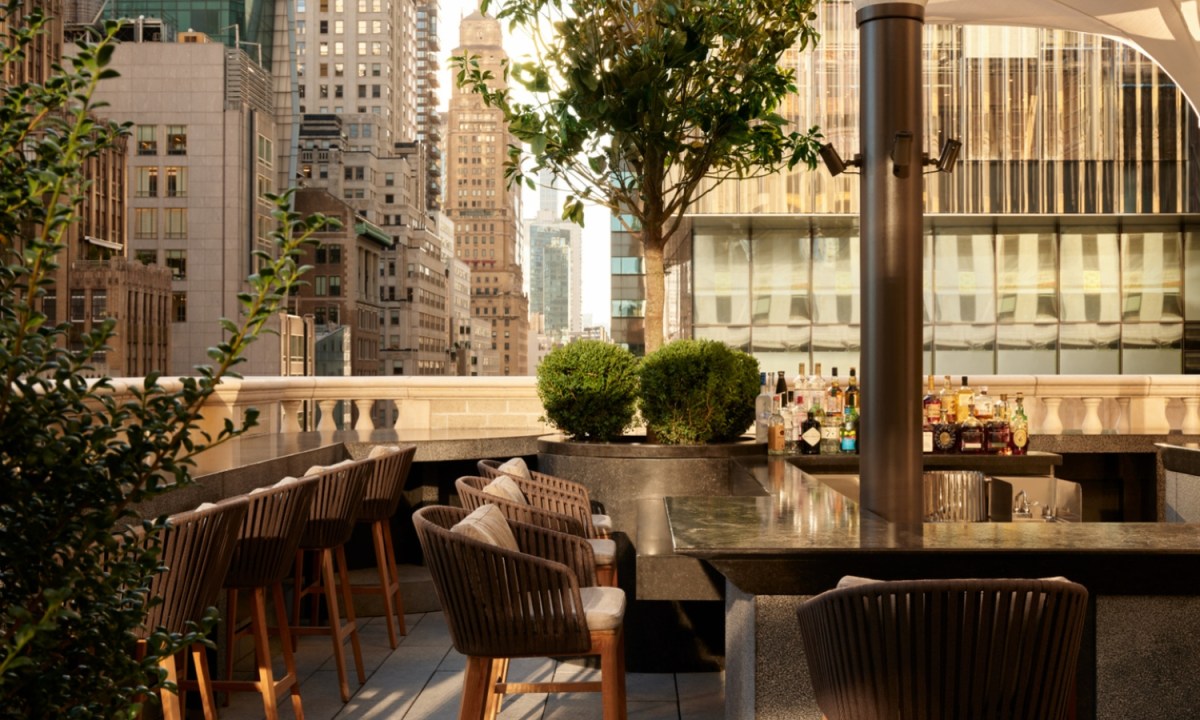
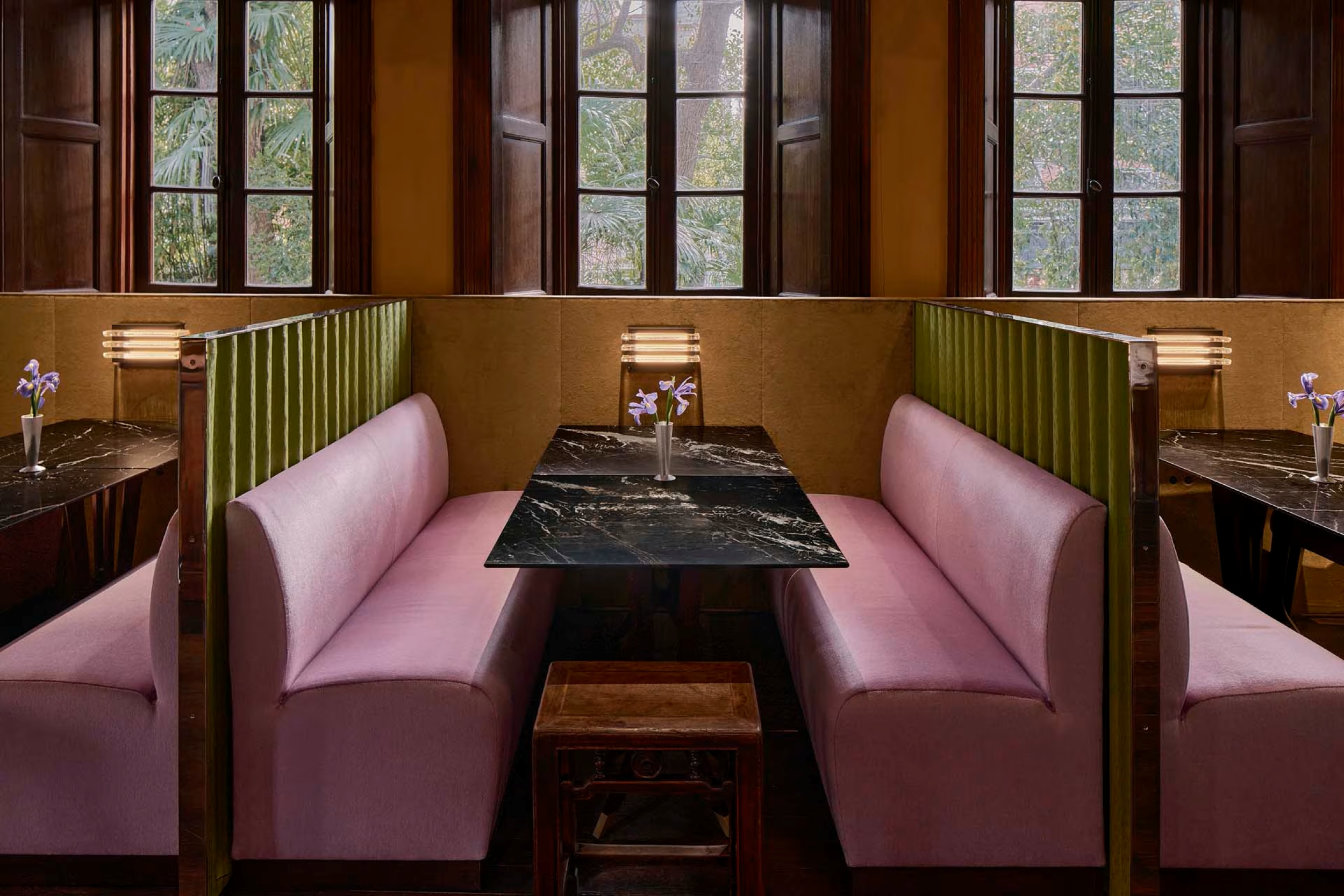
The shopper who skips the bag still maintains a relationship with the house. Hotels need their own version of the shoe: a bar the neighborhood claims, a café with a morning ritual, a Sunday lunch, a resident dinner, and a small shop item with an authentic story behind it.
Each of these turns an occasional indulgence into a weekly habit. Each one fills tables on Tuesday and rooms in March. That is how a feeling becomes occupancy. The survey found that American luxury consumers link exclusivity to early access and membership benefits. Aman New York created a private club. Six Senses London built membership into the property. For three decades, Soho House has shown that people will pay to sit in a room with the right crowd. Hotels already have the ingredients: a bar, a kitchen, a terrace, a calendar and staff who know the city. The difficult part is programming a community worth joining. A velvet rope without a point of view is just a gym membership under better lighting.
A shoe gives its owner an identity. A hotel brings together people, place, food, music, scent, and witnesses. Who sits in the lobby matters. Who drinks at the bar matters. Most of all, who returns matters. The strongest hotels become social infrastructure, because people want access to the life unfolding inside them. No points program can create that, and no chandelier can reach it.
I have spent more than 30 years in hotels and traveled through 93 countries. No one has ever told me a story about thread count. They tell me about the bartender who remembered them, the doorman who noticed something was off, the breakfast table where they met someone they still call, and the hotel where someone knew their name.
Fashion now has 2,000 survey responses proving what every good doorman already understood.