1. Home
  2. Auto
  3. News

Porsche’s Panamera Sport Turismo is a Work of Wagon Art

Porsche has unveiled a new variant of the second-generation Panamera named Sport Turismo. At least five years in the making, the Sport Turismo is the German brand’s very first station wagon.

The Sport Turismo was previewed by an eponymous concept introduced during the 2012 edition of the Paris Auto Show. It’s all but identical to the Panamera sedan from the tip of the front bumper to the B-pillar. Beyond that point, the roof line stretches into a steep hatch that helps the Sport Turismo blur the line between a station wagon and a shooting brake.

Recommended Videos

A spoiler adds a sporty touch to the overall look, but it’s not just a mundane piece of plastic. It’s the world’s first adjustable roof spoiler, according to Porsche, and it generates up to 110 pounds of downforce on the rear axle. It also reduces wind noise when the panoramic sunroof is wide open.

The Sport Turismo offers space for five passengers — a first for the Panamera line — thanks to what designers refer to as a 4+1 seating configuration. In lieu of a bench, the second row is made up of two individual seats and a third, occasional-use seat in the middle. Alternatively, a 2+2 setup with power-adjustable rear seats is available. Trunk space checks in at 18.4 cubic feet with four (or five) passengers on board, and a generous 49 cubes with the rear seats folded flat.

Porsche is unique in the automotive industry because it developed SUVs before launching a station wagon; it’s usually the other way around. Designers applied lessons learned from the Cayenne and the Macan to make the Sport Turismo as versatile as it is fast. Notably, the cargo compartment is accessed via a large hatch that stretches will into the bumper, a feature that facilitates the task of loading and unloading bulky items like your 912 project car’s four-speed manual transmission. Buyers can pay extra for roof rails integrated into the trunk floor, a 230-volt outlet, and a luggage net.

The Sport Turismo is mechanically identical to the standard Panamera. The palette of engines includes a twin-turbocharged, 4.0-liter V8 that makes 550 horsepower at 5,750 rpm and 567 pound-feet of torque between 1,960 and 4,500 rpm. A twin-turbocharged 2.9-liter V6 and two gasoline-electric hybrid drivetrains — including a 680-horsepower one built around the aforementioned V8 — round out the lineup.

In the United States, wagons are declining in popularity and automakers are increasingly abandoning the segment. Porsche is bucking that trend, and it has confirmed the Sport Turismo will be sold on this side of the pond. The wagon will land in showrooms in Germany on October 7. Other markets — like China and the U.S. — will receive the first examples in early November.

Miles Branman doesn’t need sustenance; he needs cars. While the gearhead gene wasn’t strong in his own family, Miles… Read Full Bio
Topics
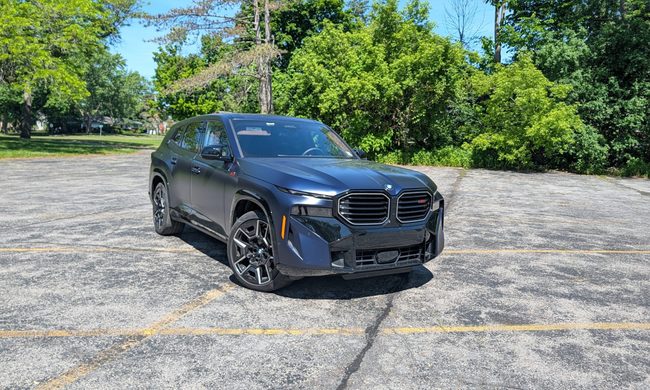
Is the BMW XM a perfect blend of practicality and performance
Car, Transportation, Vehicle

The BMW XM has received a bit of a mixed response, but there’s a strong argument that it’s a logical next step on from the BMW M5. Think about it, the M5 is special because it combines practicality with exceptional performance. The BMW XM does the same thing, though you’re trading a little handling quality for far more practicality.

On a recent venture in BMW’s performance SUV, I weighed up the pros and cons of BMW’s most divisive vehicle. And it may be a better choice than BMW’s flagship.

Read more
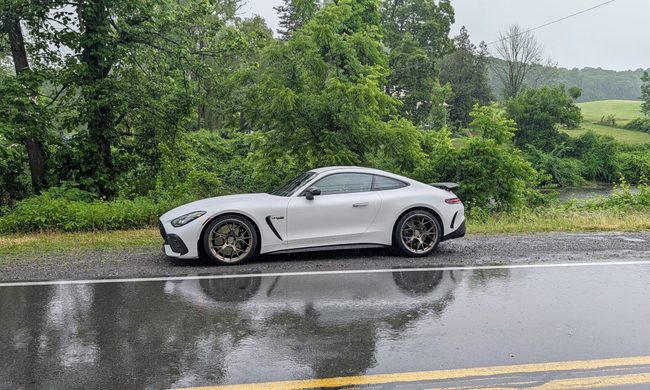
Is the Mercedes-AMG GT 63 the best sports coupe on the market?
Side view of a Mercedes-AMG GT 63

When it comes to entertaining vehicles, it’s hard to beat a good sports coupe. And, despite it being a competitive segment, there’s an argument that the Mercedes-AMG deserves a spot close to the top of the sports coupe table.

In terms of direct rivals, the AMG sits in a similar bracket to the Porsche 911, Maserati Granturismo, and the BMW M8 Competition. All of which offer a lot of power, excellent handling, and an eye catching exterior.

Read more
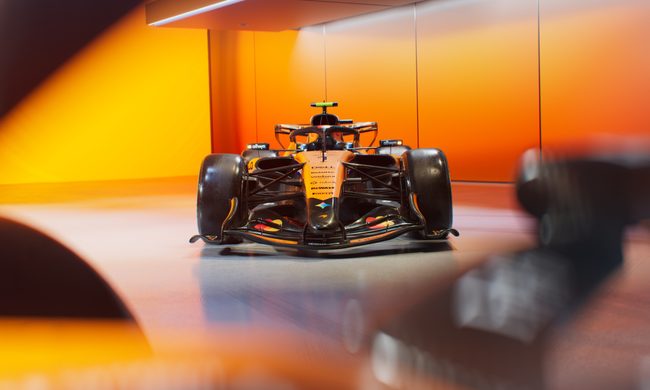
McLaren and Motul develop bespoke lubricant to keep them on top
Auto Racing, Car, Formula One

My first vehicle was a 1988 Ford Ranger. It was small, reliable, and the perfect first car. However, I wasn’t allowed to park it in the driveway at home because it went through as much oil as it did gas. The leak was bad enough that I had to check and refill the oil once a week. The same cadence as the gas tank. That was where I learned the importance of fluids for cars. McLaren hits the Formula 1 tracks across the globe with that importance at the forefront of mind as they compete for the championship, and will now be teaming with Motul to take their collaboration for the world’s most reliable lubricant to the world of endurance racing. From the high stress of speed in Formula 1 to the endurance of long-distance racing, the perfect bespoke lubricant is on the way.

McLaren was already using a very high-performance transmission fluid, with an extremely high level of requirements. Our challenge was to go even further: decrease friction losses even more while ensuring lubricant durability over time. The formulation developed with McLaren Racing has been validated to maintain its performance over several thousand kilometers under Formula 1 conditions. And this is only the beginning: in F1, cars are constantly evolving, and the formulation will continue to progress as well. – Julien Plet, Head of R&D at Motul.

Read more