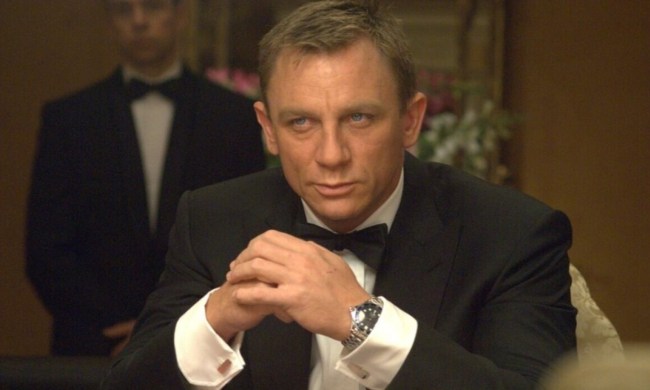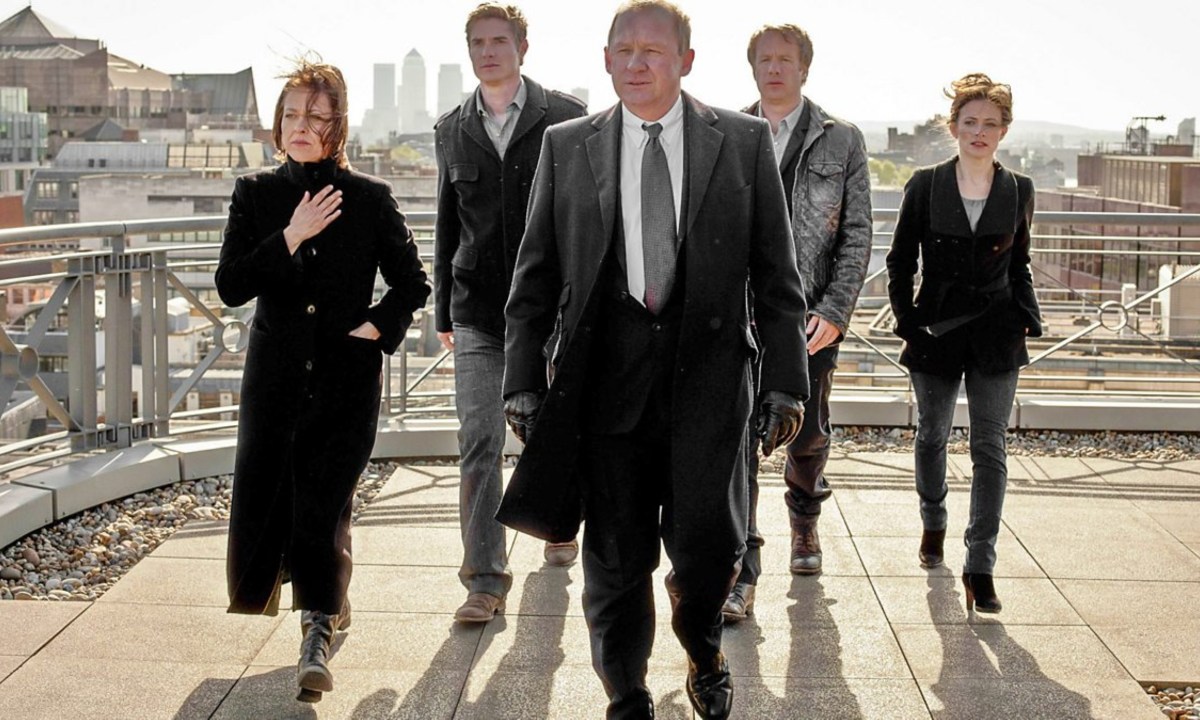
With the sixth season of Slow Horses having just premiered on Apple TV+, audiences are once again fully gripped by the unglamorous, gritty, and bureaucracy-heavy world of British intelligence. But if you are burning through the new episodes and need another razor-sharp espionage thriller to fill the void—one with enough seasons for a serious binge but zero risk of an unresolved cliffhanger—it is time to visit the show that paved the way.
Broadcast as MI-5 in the United States, the BBC staple Spooks ran from 2002 to 2011, delivering 86 episodes across ten lean, ruthless seasons. It tracks the officers of MI5’s counterterrorism grid as they navigate domestic extremists, rival intelligence factions, and betrayals inside their own headquarters.
Eighty-six episodes sounds like a heavy lift, but Spooks is remarkably agile. Unlike the sprawling, season-long conspiracies that dominate American thrillers, most Spooks missions are wrapped up in a single hour. Background political arcs and character rivalries simmer throughout a season, but you rarely need a flowchart to understand the immediate threat. Every episode plays out like a compact espionage film: a crisis emerges, the grid scrambles, tensions spike, and the fallout settles before the credits roll. It is incredibly easy to drop in for a single episode, though the breakneck pacing usually guarantees you will stay for three.
An Edge That’s Truly Sharp
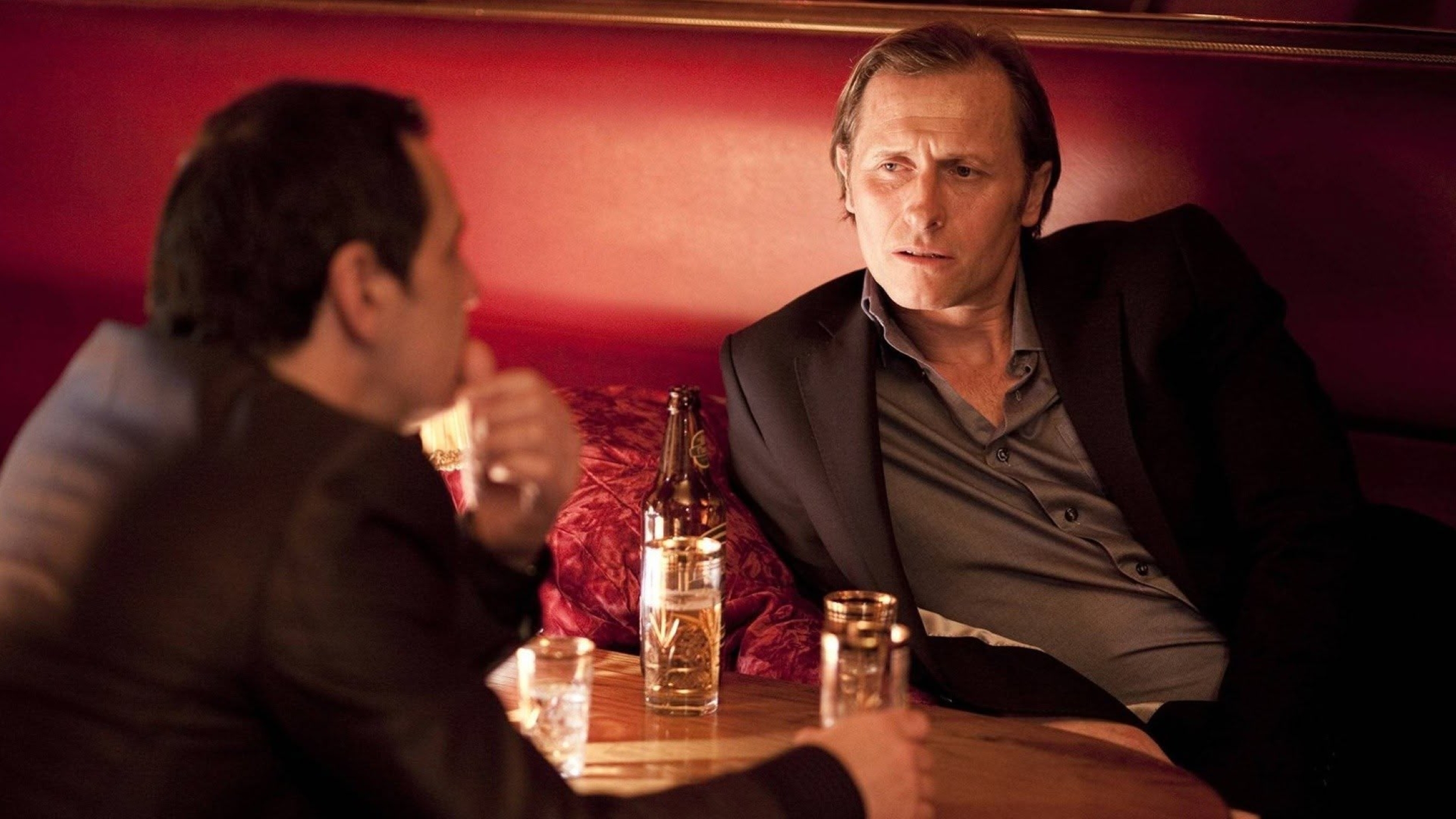
What truly separates Spooks from its American counterparts is its sheer, unrelenting ruthlessness. Plot armor simply does not exist here. Conventional television trains audiences to believe that when a leading character is shot at, kidnapped, or strapped to a bomb, they will miraculously clock in for work the following week. Spooks gleefully subverts that comfort. Core team members are routinely killed off, disgraced, or forced to burn their identities and disappear.
You cannot discuss the ruthless nature of Spooks without mentioning its most notorious scene. In merely the second episode of the first season, a main character is brutally murdered by a terrorist using a deep fat fryer. It is a harrowing, notoriously hard-to-watch sequence, but it is brutally effective. It caused an uproar in the UK upon release and immediately established the show’s uncompromising “anyone can die” stakes.
That baseline unpredictability gives the show genuine teeth. When a mission goes sideways, the danger is entirely real, and the writers are willing to follow through with shocking suddenness. These abrupt exits drive home the show’s central thesis: intelligence work ruins you. These officers operate under aliases, lie to their spouses, and make split-second choices where every option is morally bankrupt. Saving London does not mean saving their careers, their minds, or their lives.
Everyone is At Risk
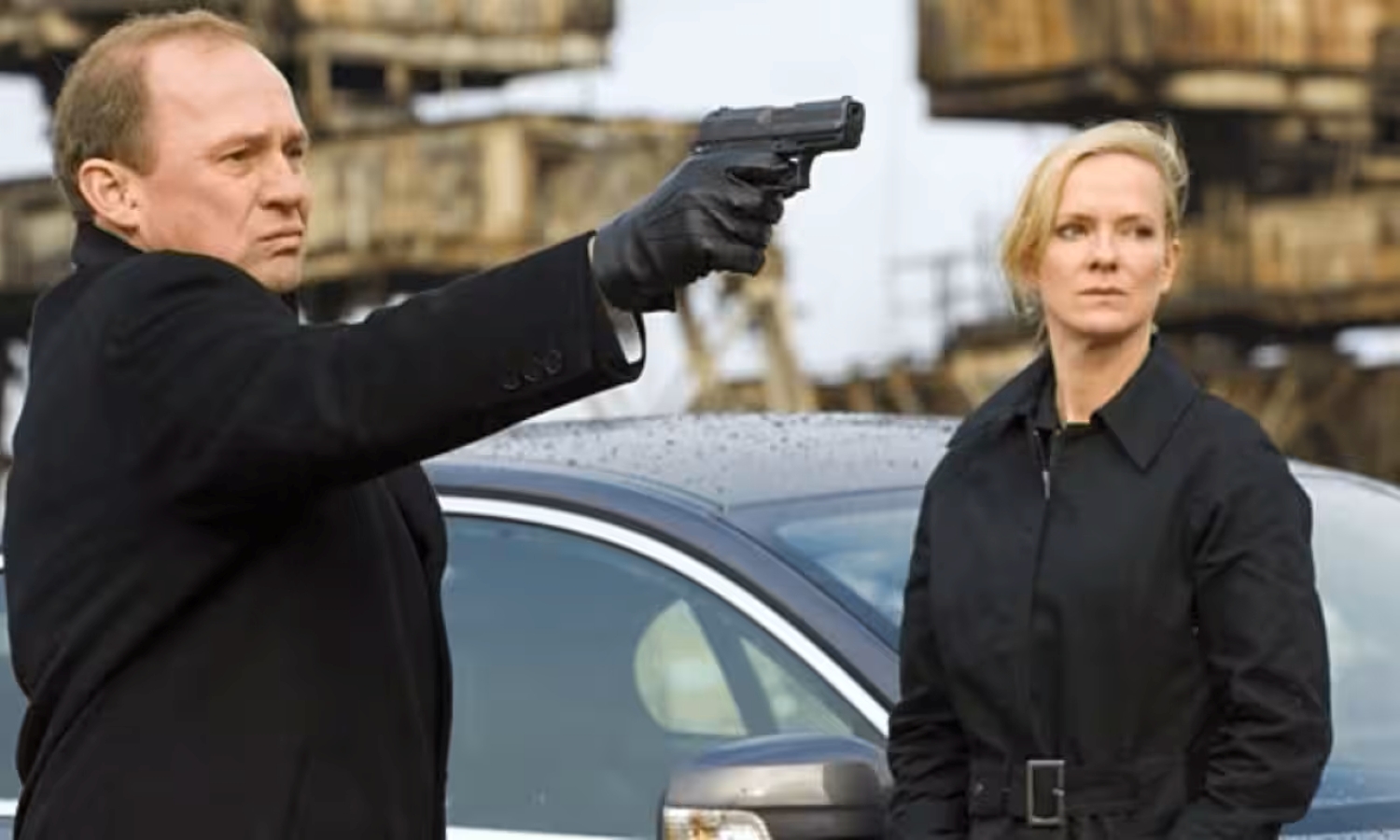
A lesser show would buckle under that kind of cast turnover, but Spooks uses it to continually reload. Peter Firth anchors the series as the formidable Head of the Counter-Terrorism Department, Harry Pearce—a man who blends dry wit, unshakeable patriotism, and deep moral ambiguity. The revolving door around him acts as a time capsule of elite British talent. Matthew Macfadyen, Keeley Hawes, David Oyelowo, Richard Armitage, and Nicola Walker all cycle through the grid. Rather than feeling like cheap replacements, recruits actively change the team’s chemistry, forcing the show to reinvent itself season after season. And once you finish the series, the story continues in the 2015 feature film spin-off, Spooks: The Greater Good (released as MI-5 in the US), starring Kit Harington alongside Firth—a perfect encore for fans needing one last mission.
Naturally, a tech-heavy thriller launched in 2002 carries Y2K-era baggage. You will spot brick-sized laptops, primitive flip phones, and digital graphics that look ancient by today’s standards. Yet, this dated tech is more of a nostalgic backdrop than a fatal flaw. The tension in Spooks relies on human error, divided loyalties, and the crushing pressure of deciding who lives and who dies for the greater good. The older hardware actually frames the show as a fascinating period piece, perfectly capturing the raw paranoia and shifting ethical lines of the immediate post-9/11 world.
A Top Rating on IMDB
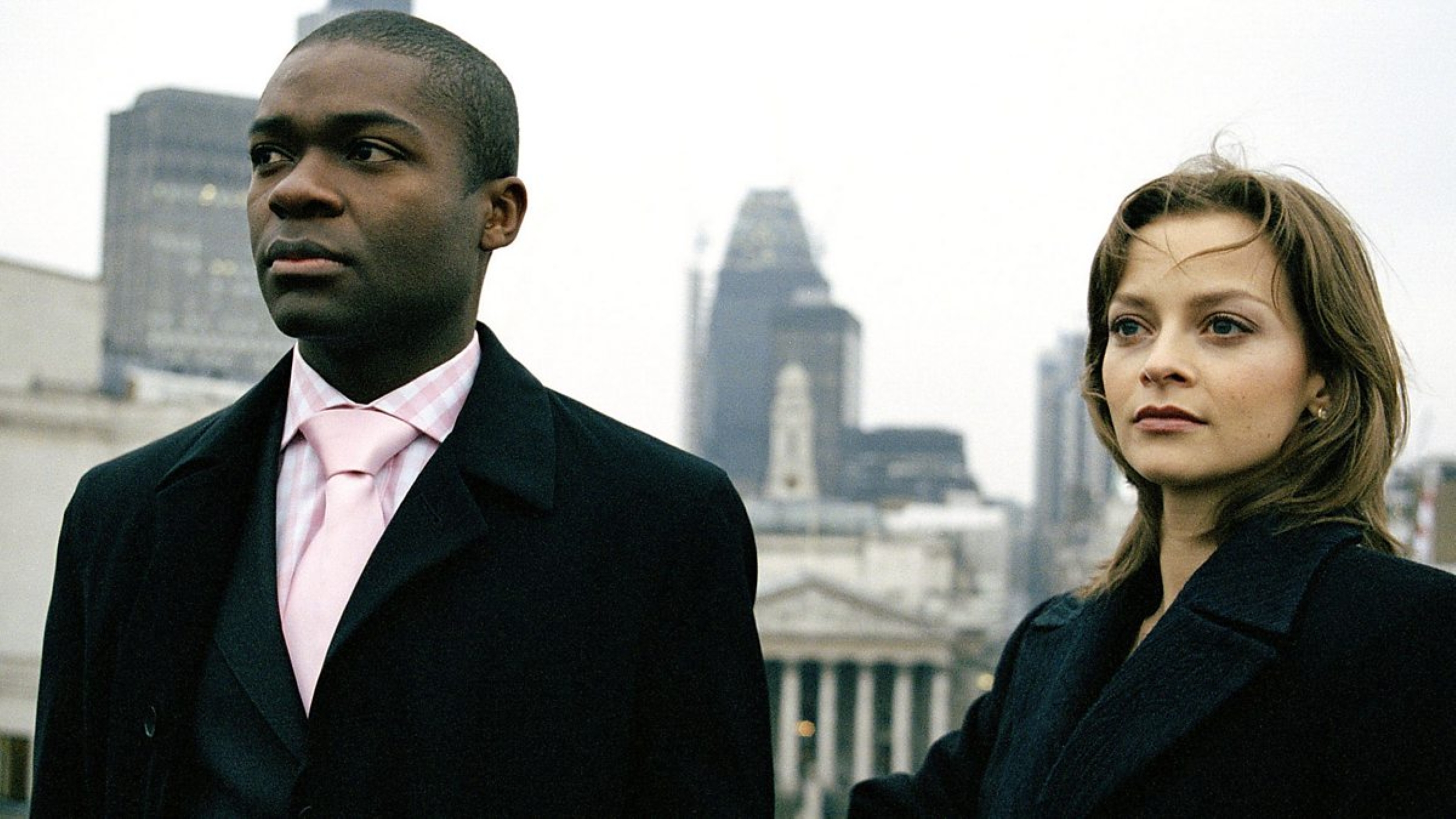
Spooks maintains a commanding 8.3 rating on IMDb for good reason. It cuts through the gloss of modern spy dramas with speed, confidence, and a refusal to coddle its audience. You can currently stream it on Prime Video. Just do not get too attached to anyone on screen. In this world, even the actor at the top of the call sheet is a split-second away from a body bag.