Let’s set the mood for a second. We’re outside a Swatch store in the suburbs of Paris. A crowd is fighting and jostling forward as French riot police fire tear gas. No, this isn’t the apocalypse, but the launch of Audemars Piguet X Swatch Royal Pop. The collaboration is between 2 brands that sit at comically opposite ends of the watch market. The launch was cancelled in Mumbai, Dubai, and Singapore, and stores were shuttered in London, Glasgow, New York, at least 19 other locations across the United States, and many more around the world due to the raucous. And, at the center of it all, a $400 pocket watch on a lanyard. Let that sink in for a second.
It wasn’t a Patek Philippe perpetual calendar or a sold gold Royal Oak (though even those shouldn’t mean fighting in the streets). But it was a simple pocket watch made of bioceramic, and the world collectively lost its mind.
What Actually Happened
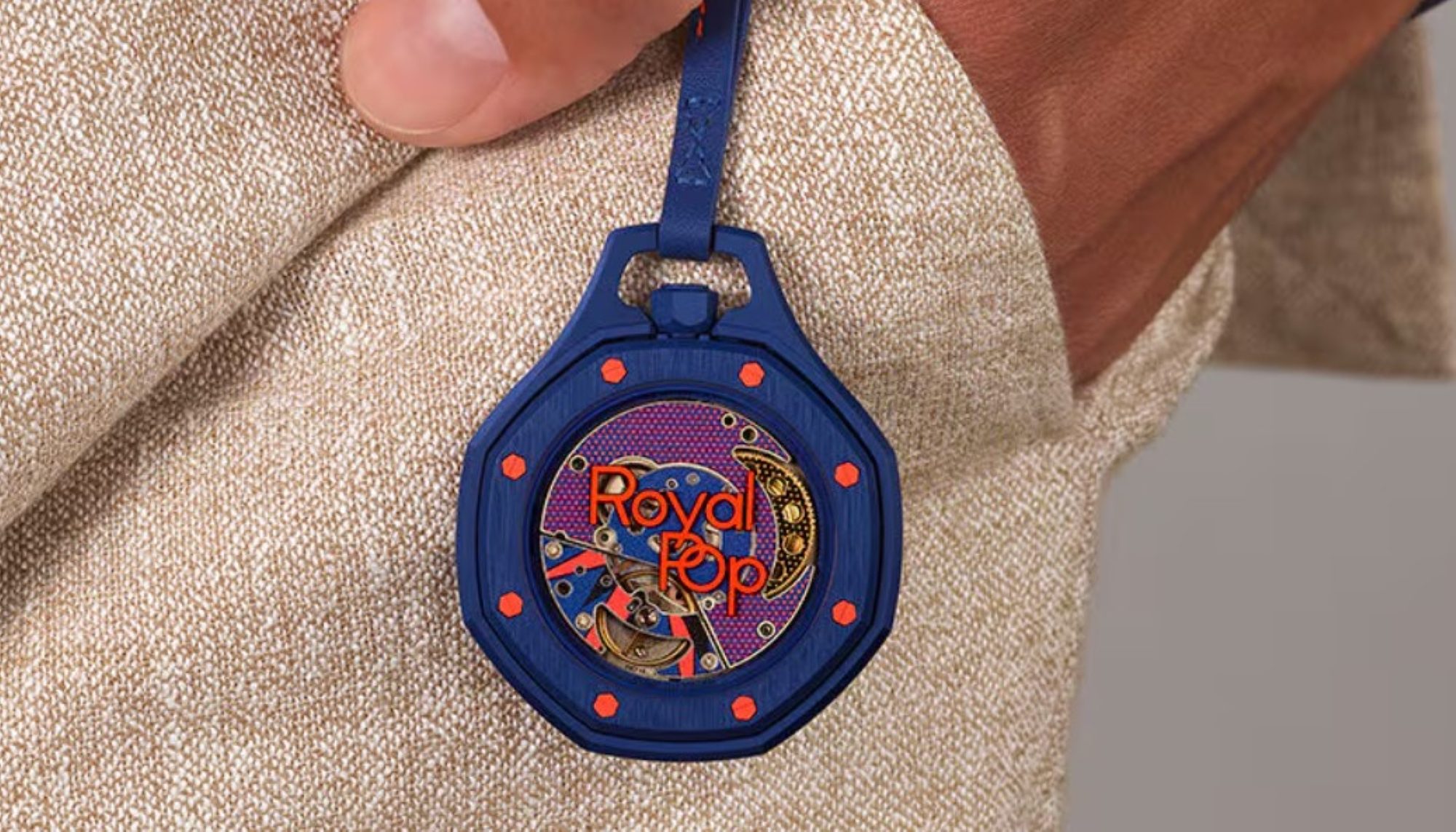
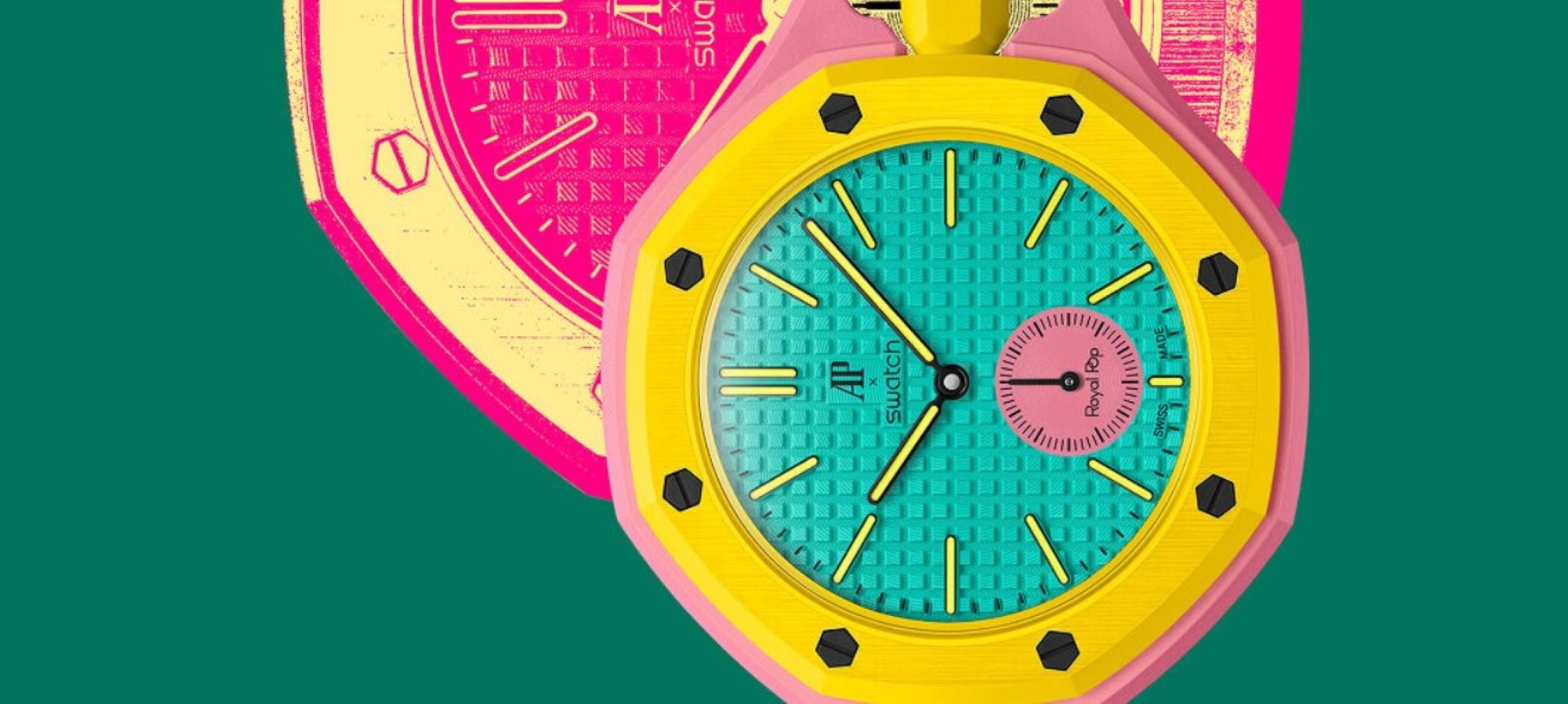
Audemars Piguet is known as a high-end brand, with its iconic Royal Oak starting at around $30,000 and climbing steeply from there. Swatch is known for being a colorful, cheerful brand whose identity is built on the idea that a great watch isn’t necessarily found in a box of cereal but also doesn’t need to cost as much as a first-class seat on a private jet.
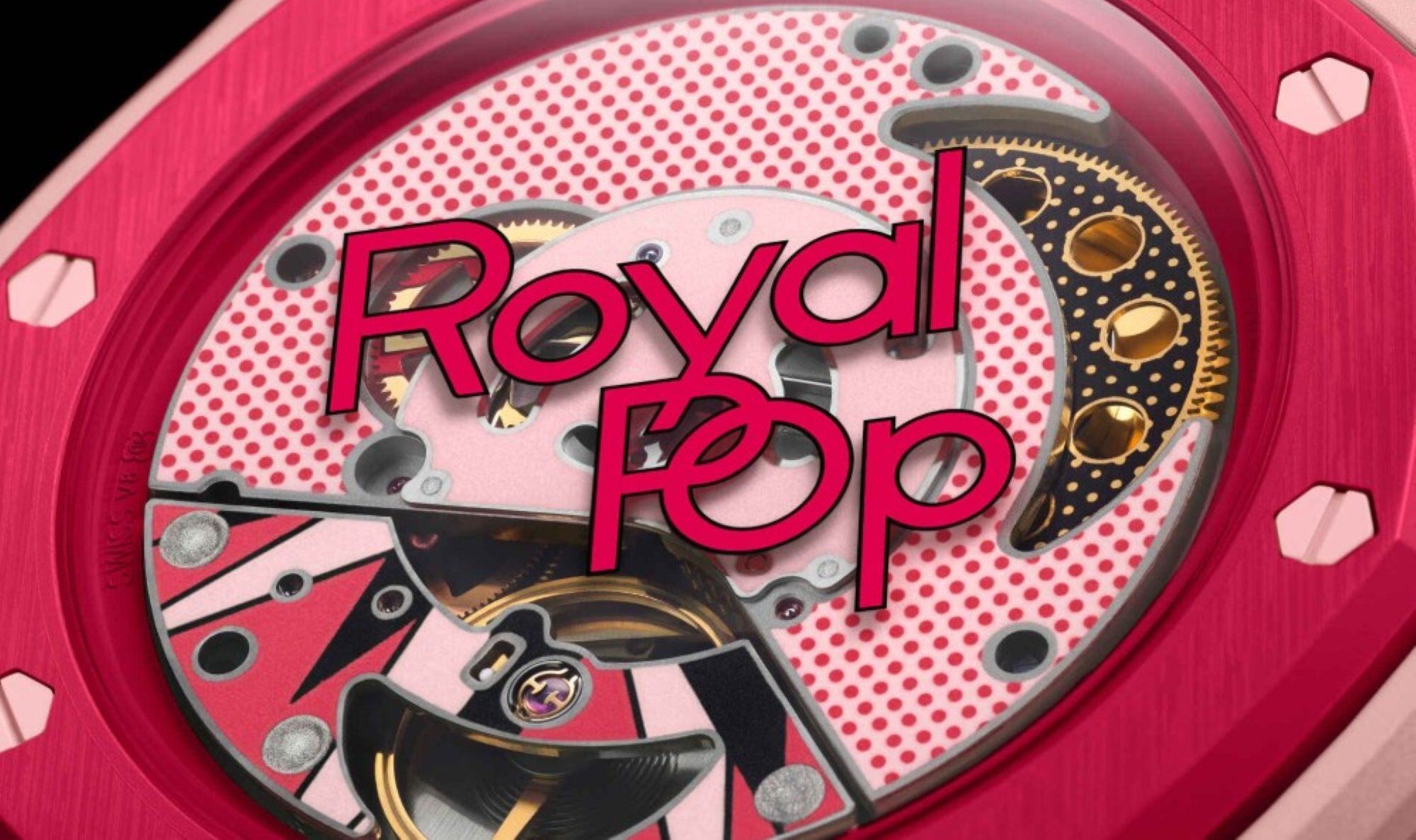
The whole thing was a disaster from the start. What do you get if you put together Royal Oak’s unmistakable octagonal case, a 1980s POP palette, an unexpected pocket watch format, a $400 price tag, and make it available only in Swatch stores? Well, now we’ve seen, and it wasn’t pretty.
The chaos that unfolded on May 16 wasn’t subtle. In France, a crowd of 300 people gathered overnight outside the store, and the situation, as we saw, deteriorated rapidly. A metal shutter and two security gates were damaged. In NYC’s Times Square, the crowd was pushing and shoving before the store even opened. A couple of customers told reporters that they had been waiting for 5 days. 5 days! All for a watch that the brand itself had confirmed would remain available for several months to come.
Different from other limited edition drops, like the “Starbucks Bearista,” or the Stanley Cup craze, Swatch was explicit: the Royal Pop is not a limited edition item in the traditional sense. There would be enough to go around. So, why were thousands of people across the world simultaneously pushing and shoving like animals?
What Is Actually Going On?
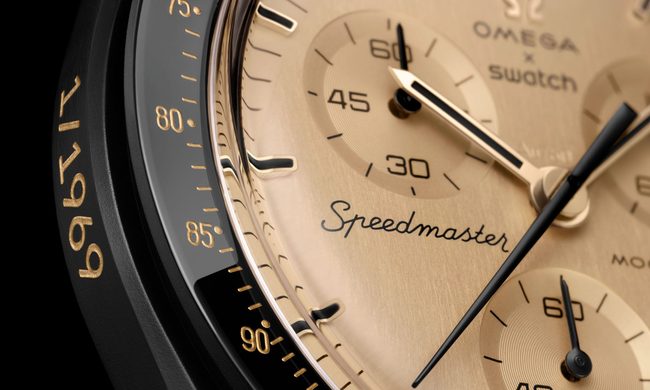
Part of it is the resale market. Listings for the Royal Pop came up almost immediately, multiple times the retail price. It’s the same pattern we saw with the Omega MoonSwatch in 2022 and the Blancpain Fifty Fathoms collaboration in 2023. Some of the people in those lines weren’t collectors or even fans. They were speculators who saw an opportunity. That’s not necessarily a moral judgement, but it’s the reality of these launches now, and brands are not naive about it.
Speculators alone don’t explain the scale of what happened, though. People who camped outside the store for several days, drove through the night, and stood in the rain, refusing to go home, genuinely just wanted to get their hands on the watch. And that desire, irrational as it looks from the outside, is worth taking seriously.
What the Royal Pop represents, and what the MoonSwatch represented before that, is access. Not just to a $400 object, but to a feeling. The Royal Oak is one of the most culturally loaded watches on the planet. It’s the watch that defined a generation of luxury, and it sits on the wrists of people who have made it. For the average person, it’s categorically out of reach. The Royal Pop changes that equation — or at least it appears to.
The Genius of Manufactured Desire
The genius — and I use that word on purpose — of Swatch is that they understand that desire is not really about the object itself. It’s about the proximity to something you’ve been told you can’t have. To put it simply, it’s dangling candy in front of a baby.
A $400 Royal Pop doesn’t give you a Royal Oak. But it gives you something made in collaboration with the people who make Royal Oaks; therefore, it sits in the same cultural orbit. For many people, that’s enough, and worth punching someone for, apparently.
What I find genuinely fascinating, albeit slightly unsettling, is how little any of us seems to learn from one launch to the next. The MoonSwatch chaos of 2022 was well documented, as were the Blancpain scenes in 2023. The industry, the press, and the public all watched this unfold and collectively said: ” Wow, what a phenomenon.” And then, along came the Royal Pop and the world had amnesia.
Audemars Piguet has remained conspicuously silent throughout (at least as of this writing): no statement, no acknowledgement, nothing. Swatch, to their credit, did eventually address the chaos, clarifying that the Royal Pop is not a limited edition and urged people not to rush stores. Which raises its own question: if you have to tell people the watch will be available tomorrow, why did yesterday look like the last helicopter out of Saigon?
Chaos is dangerous, but it’s also the best marketing either brand could possibly have (I wouldn’t be writing about this watch had this not been in the news). The Royal Pop is now the most talked-about watch in the world, and it costs $400.
That’s no accident. Maybe it wasn’t planned exactly like this — I doubt anyone at Swatch HQ wanted tear gas in the brand-narrative — but the conditions created were entirely deliberate. Available only in stores. Launched globally all at the same time. A price low enough to feel accessible but high enough to feel like it’s really something special. This formula has been proven. It works, and it will work again.
The Part I Can’t Quite Shake
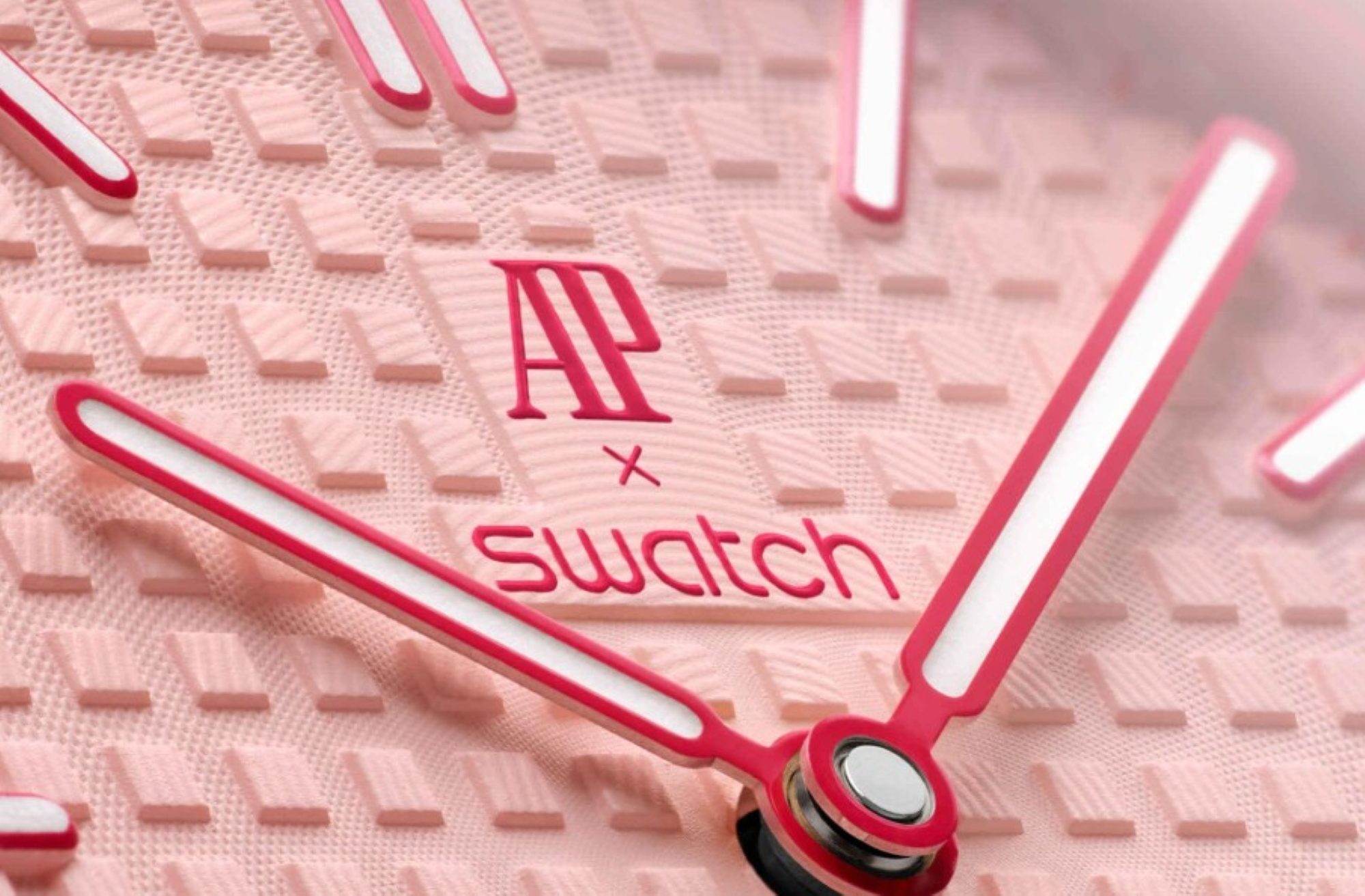
I understand the appeal, I really do. I know the specific electricity that comes with a launch day and the camaraderie that can come with other people who care about the same thing you do. That feeling when you’ve got something that everyone wanted, but you actually got it. It’s not nothing. But, when the guy next to you is shoving you out of the way for a watch the brand has confirmed will be available for months? That’s the point where the experience stops being about the watch.
The Royal Pop chaos is quite a frightening story and a pretty clear demonstration of how thoroughly the watch industry has learned to hack the psychology of desire. We know the tricks, we’ve seen them before, and yet we still wait in line anyway. Maybe that’s just what passion looks like when it collides with retail. Or, maybe we’re all just playing a very expensive version of Squid Game that the brands have designed, and we’ve agreed to play.
For what it’s worth, the Royal Pop looks great, and I might like one. But I’m not sleeping on a sidewalk in London to get it.